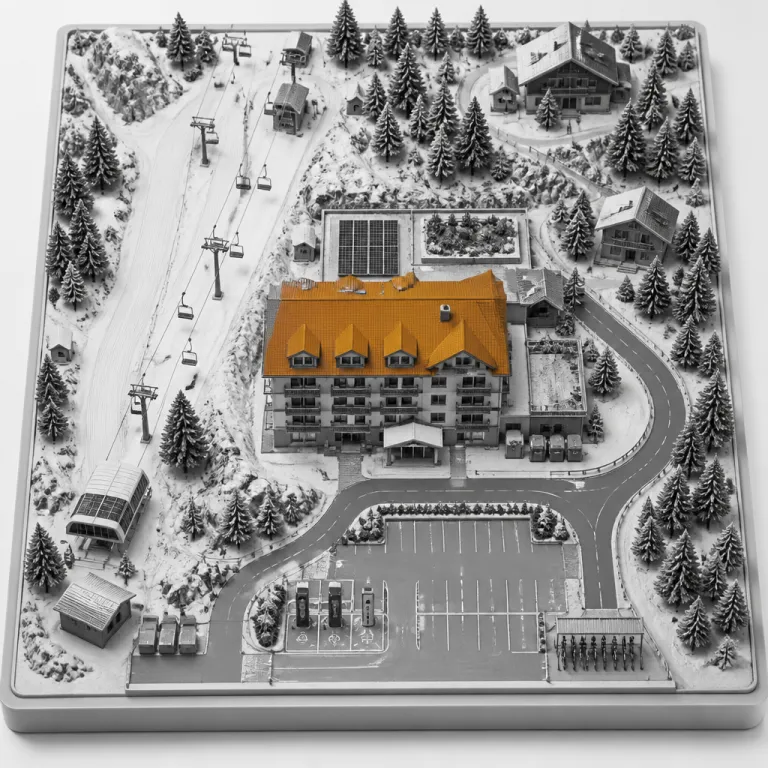
Why a sustainable luxury ski hotel guide matters for families
Every major ski resort now claims to be green, yet very few guests know how to test those promises. For a family planning a luxury ski holiday, the gap between a glossy sustainability page and the real impact on the mountain, the water, and the energy used can be enormous. A clear sustainable luxury ski hotel guide gives you a practical way to compare ski hotels and ski resorts before you commit your time, your money, and your children’s expectations.
Premium family travellers are driving a quiet revolution in luxury hotels, because parents increasingly want the best ski access and the best luxury service without feeling complicit in damaging the very ski area they came to enjoy. When you book a ski hotel or ski chalets in a high altitude resort, your choice directly influences how that mountain manages snowmaking water, waste, and transport for staff and guests. A structured sustainability audit helps you read past the marketing and identify which ski resorts treat sustainability as core infrastructure rather than a decorative après ski talking point.
The context is changing fast in every major ski area, from Deer Valley and Jackson Hole to Alta Badia and Lake Tahoe, where rising temperatures and stressed water supplies are no longer abstract risks. Design driven properties in Europe and North America are now embedding low energy systems, local food sourcing, and real time monitoring into the building fabric instead of just adding eco friendly slogans to their websites. For families comparing ski holidays, this means the right ski resort choice can reduce your footprint, improve air quality in the village, and still deliver the kind of luxury ski experience you expect from the best luxury hotels in the mountains.
The 10 point sustainability audit for any ski hotel
Before you book any ski hotel that markets itself as sustainable, run a simple 10 point audit that you can complete in under an hour. This sustainable luxury ski hotel guide focuses on hard data about energy, water, waste, and access, not vague mission statements about being eco friendly or caring for the mountain. Used consistently, it lets you compare ski hotels, ski chalets, and full service resorts across different ski areas on equal terms.
Start with energy and certification, asking the hotel management what percentage of electricity comes from renewables and whether the building meets standards such as Swiss Minergie, Austrian klima:aktiv, or French HQE. Then move to snowmaking and water, checking if the ski resort recycles water for snowmaking, protects local lakes and rivers, and publishes any figures on total water use per guest night. A detailed article on what sustainable means at a luxury ski resort once you read past the press kit at this in depth sustainability analysis shows how properties that publish verifiable data on these points are usually the ones taking real action.
Round out your audit with questions on waste management, food sourcing radius, staff and guest transport, and building materials used in recent renovations. Ask whether the resort offers low impact travel options from the nearest rail hub, and whether the après ski scene encourages walking and shuttles rather than private cars clogging the village. Finally, request a copy of any recent sustainability audit report, because a serious ski hotel will have invited third party auditors to review their performance and will be willing to share at least a summary of the results with interested guests.
How to read energy, water, and snowmaking claims
Energy and water are where a sustainable luxury ski hotel guide becomes very concrete, because these are the systems that keep your room warm and the slopes white. When a ski resort claims to run on green energy, ask for the actual percentage of electricity from renewables and whether heating relies on biomass, district heating, or old oil boilers. Properties that have undergone a formal sustainability audit often report average energy savings of around 15 percent after upgrades, which is a meaningful reduction when multiplied across hundreds of rooms and long ski holidays.
Water is equally critical in any mountain area, especially in destinations like Lake Tahoe or Jackson Hole where snowpack feeds local communities as well as ski holidays. A credible ski hotel will explain how it limits water use in swimming pools and spas, whether it recycles grey water, and how the linked ski area manages snowmaking lakes and river withdrawals. When you compare the best ski resorts in regions such as Alta Badia or Deer Valley, look for those that publish snowmaking volumes, storage capacities, and the proportion of recycled water used for skiing rather than relying on vague assurances.
Snowmaking itself is not automatically unsustainable, but it becomes problematic when a resort draws heavily on scarce water without transparent reporting. Families booking a luxury ski holiday should prioritise ski resorts that coordinate with local authorities on long term watershed planning and that invest in low energy snow guns. For a deeper regional perspective, our guide to Italy ski resorts and the best destinations for luxury and premium experiences at this detailed Italy ski resorts feature highlights how some Dolomites properties in Alta Badia are experimenting with more efficient snowmaking and careful water storage to protect both winter skiing and summer hiking seasons.
Food, waste, and the real meaning of eco friendly luxury
Once you are satisfied with the energy and water story, turn to food, waste, and daily operations, because this is where guests feel sustainability most directly. A serious sustainable luxury ski hotel guide will always ask how far the average ingredient travels, how much organic produce is used, and what happens to leftovers after the breakfast buffet closes. In mountain resorts where access is limited and transport emissions are high, the best luxury hotels now work with local farmers and cheesemakers to shorten supply chains and give guests a genuine taste of the region.
Waste management is another sharp test of whether a ski hotel is eco friendly in practice or only in branding. Ask whether the resort tracks its waste diversion rate, how many streams of recycling are available to guests, and whether food waste is composted or sent down the valley in diesel trucks. In destinations like Deer Valley, Jackson Hole, and Lake Tahoe, where landfill space is constrained and the mountain environment is fragile, leading ski hotels are experimenting with on site composting, refillable bathroom amenities, and reduced single use plastics in après ski venues.
Look for visible cues during your stay, such as clearly labelled recycling points on each floor, filtered water stations that reduce bottled water use, and menus that explain sourcing without turning dinner into a lecture. Families on ski holidays often appreciate when children can see where their food comes from and how the resort protects the mountain they ski each day. When you find a ski resort that aligns its food philosophy, waste systems, and guest education, you are usually looking at one of the best ski examples of sustainability integrated into everyday luxury rather than added on as a marketing flourish.
Transport, access, and building design in modern ski resorts
Transport and building design are often overlooked in casual reviews, yet they sit at the heart of any serious sustainable luxury ski hotel guide. The way you and the staff travel to the resort, and the way the building uses or wastes energy once you arrive, can outweigh the impact of any eco friendly toiletries in the bathroom. Families choosing between ski resorts should weigh rail access, shuttle systems, and car free village layouts just as carefully as they compare slopes, ski area size, and the quality of the après ski scene.
When you assess a ski hotel, ask whether staff commute on organised buses, whether guests are encouraged to arrive by train, and how often shuttles run between the resort and the main ski lifts. Properties in compact villages such as parts of Alta Badia or the pedestrian core of Deer Valley can often offer true ski in access with minimal car use, while some luxury hotels in larger areas rely heavily on private transfers that add to congestion. A strong sustainability audit will also look at building materials, insulation levels, and smart systems that adjust heating and lighting in real time based on occupancy and outside temperature.
Design forward ski hotels in Switzerland, Austria, and France increasingly integrate these systems from the outset, using timber, triple glazing, and advanced controls to reduce energy demand without compromising comfort. For a sense of how the ultra luxury end of the market is evolving, our analysis of Courchevel’s luxury arms race and what it signals for the industry at this Courchevel luxury arms race feature shows how new openings are competing on both design and sustainability credentials. When you see a ski resort investing in these structural improvements, you can be confident that your ski holiday footprint is lower even before you step onto the slopes.
Spotting greenwashing and using certifications intelligently
Greenwashing is now one of the main risks for guests relying on a sustainable luxury ski hotel guide, because marketing language has raced ahead of regulation. Many ski hotels talk about being eco friendly, but only a minority publish hard numbers on energy use, water consumption, or waste diversion, and even fewer invite independent auditors to verify their claims. According to recent industry surveys, only around 35 percent of hotels worldwide currently hold a recognised sustainability certification, which means most properties are still self reporting their progress.
To cut through the noise, focus on specific language and third party verification rather than broad promises about caring for the mountain or supporting the local community. A credible ski resort will reference concrete frameworks such as Minergie, klima:aktiv, or HQE, and will often work with environmental consultants and local authorities to run regular sustainability audits. In these audits, methods typically include document reviews, on site inspections, and stakeholder interviews, supported by tools such as detailed checklists, energy meters, and water flow meters that generate data rather than anecdotes.
Guests can also use a simple three step approach to verify green claims before booking any ski holiday. First, verify the hotel’s sustainability certifications through the issuing body rather than taking the website at face value. Second, inquire about specific green practices in areas such as snowmaking, transport, and food sourcing, and third, consider transportation options that reduce your carbon footprint, such as rail plus shuttle instead of short haul flights plus rental cars. When a ski hotel responds clearly to these questions and shares recent audit findings, you are far more likely to be looking at one of the best luxury ski hotels for genuinely lower impact skiing rather than a resort that only talks a good game in the brochure.
Family priorities and where to start your sustainable ski search
For premium families, sustainability is no longer a niche preference but a core part of what defines the best ski holiday. Parents want their children to enjoy deep snow, quiet slopes, and lively après ski scenes without feeling that their travel choices are undermining the future of those same mountains. A practical sustainable luxury ski hotel guide gives you a framework to balance comfort, access, and environmental impact across different ski resorts and hotel styles.
Start by shortlisting destinations where the ski area operator and the leading luxury hotels publish environmental data and work together on long term planning. In North America, that might mean comparing how Deer Valley, Jackson Hole, and Lake Tahoe manage energy, water, and transport, while in Europe you might look at Alta Badia and other Dolomites resorts that have integrated sustainability into regional planning. Within each resort, focus on ski hotels and ski chalets that offer car free or low car access to the lifts, efficient shuttle systems, and family friendly facilities such as swimming pools that are heated efficiently rather than left to waste energy.
Then apply your 10 point audit to each ski hotel on your list, asking the same questions about energy sources, water use, food sourcing, waste, transport, and certifications so you can compare like with like. Over time, as more properties undergo regular sustainability audits and adopt real time monitoring systems, the data available to guests will improve and the gap between marketing and reality will narrow. For now, families who ask precise questions and reward the most transparent ski resorts with their bookings are quietly reshaping what luxury ski means, turning sustainability from a slogan into a standard feature of the modern mountain holiday.
Key sustainability figures every ski traveller should know
- Independent energy efficiency reviews in the hospitality sector typically deliver average energy savings of around 15 percent after recommended upgrades, which translates into significantly lower emissions for large ski hotels operating through a long winter season (Energy Efficiency Report, global sample).
- Only about 35 percent of hotels worldwide currently hold a recognised sustainability certification, so most properties marketing themselves as green ski resorts are still self assessed rather than independently verified (Global Hospitality Green Survey, international coverage).
- Real time monitoring systems for energy and water use are being adopted by a growing share of mountain resorts, allowing hotel management to adjust heating, ventilation, and snowmaking in response to live data rather than fixed schedules, which improves both guest comfort and environmental performance.
- Annual sustainability audits in ski resort towns typically follow a four step timeline of pre audit preparation, on site assessment, report generation, and implementation of recommendations, creating a continuous improvement loop rather than a one off certification exercise.
- Industry trend analyses show increased demand for eco friendly accommodations, deeper integration of smart technologies for sustainability, and a stronger emphasis on local food sourcing and community engagement, all of which are now central criteria in assessing the best luxury ski hotels.
FAQ about sustainability audits and green ski hotels
What is a sustainability audit in a ski hotel context ?
What is a sustainability audit? An evaluation of a hotel's environmental practices to ensure compliance with sustainability standards. In a ski resort, this typically covers energy use for heating and lifts, water consumption including snowmaking, waste management, and procurement policies for food and materials. The process often involves document reviews, on site inspections, and interviews with hotel management, staff, and sometimes local stakeholders.
Why are sustainability audits important for ski resorts ?
Why are sustainability audits important for hotels? They help identify areas for improvement, achieve certifications, and attract eco-conscious guests. In mountain environments, these audits are especially critical because energy, water, and land use decisions directly affect snow reliability, local ecosystems, and the long term viability of skiing. Regular audits also give guests a transparent basis for comparing different ski hotels and ski resorts on more than just price and décor.
How can guests verify a ski hotel’s green claims before booking ?
How can guests verify a hotel's green claims? By checking for recognized sustainability certifications and inquiring about specific eco-friendly practices. For a ski holiday, that means asking about renewable energy use, snowmaking water sources, waste diversion rates, and transport options from the nearest rail or airport hub. Guests should also look for published data or recent sustainability reports rather than relying solely on marketing language about being eco friendly.
Which sustainability metrics matter most for families on ski holidays ?
Families should prioritise metrics that affect both environmental impact and daily experience, such as the share of renewable energy used, water conservation measures, indoor air quality, and the availability of low carbon transport. Food sourcing radius and waste management practices also matter, because they shape what children see and learn during their stay. When a ski resort performs strongly on these indicators and communicates them clearly, it usually signals a deeper commitment to sustainable luxury rather than surface level gestures.
Who is responsible for implementing and verifying sustainability in ski hotels ?
Within a ski hotel, day to day implementation of sustainability practices usually sits with hotel management, often supported by a dedicated sustainability équipe or cross departmental working group. Verification is typically handled by third party auditors or certification bodies that specialise in environmental standards for hospitality and tourism. In well run ski resorts, these actors also collaborate with environmental consultants and local authorities to align hotel level actions with wider regional climate and water strategies.