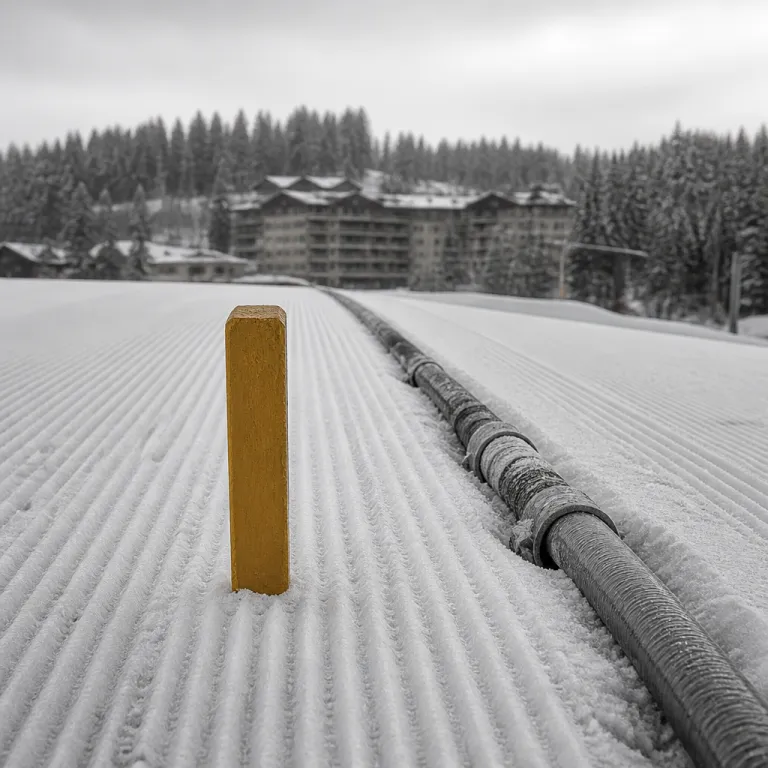
Why snowmaking sustainability now defines the luxury ski resort choice
For a luxury skier, guaranteed snow has quietly become the new concierge. Behind that immaculate white corduroy, the reality of snowmaking sustainability at each ski resort now shapes the true environmental impact of your stay. If you care where your money goes, you need to understand how much water, energy and mountain space your favourite ski areas use when they start making snow at scale.
Across the ski industry, snowmaking has shifted from insurance policy to operating backbone as climate change shortens winters and destabilises natural snow patterns. Even high altitude ski resorts in traditionally cold areas of each country now plan their ski season around artificial snow, not around the first natural snowfalls. That shift means the carbon footprint of every mountain resort is increasingly defined by the energy consumption and water consumption of its snow guns rather than by the glamour of its suites.
Environmental impact assessments now treat snowmaking as a core emissions source, not a side note in a sustainability report. One major snowmaking study in Alpine terrain found that water consumption for snowmaking can reach roughly 3,000 cubic metres per hectare of ski area each year, which translates to hundreds of thousands of gallons of water needed for a single medium sized resort. When you book a ski resort that promotes efficient snowmaking, you are really choosing how much electric power, water and wastewater handling your ski holiday will trigger in that mountain area.
What the numbers say about energy, water and carbon on the slopes
Once you read past the press release, the numbers behind snowmaking sustainability at any luxury ski resort are stark. Modern systems typically use around 3 to 5 kilowatt hours of electric energy per cubic metre of snow, and a single large resort can produce well over one million cubic metres of artificial snow in a normal ski season. That means snowmaking energy consumption alone can run into tens of millions of kilowatt hours, especially in warmer climate areas where the state of the snowpack forces operators to keep making snow late into spring.
Water use is equally significant for every mountain resort that relies on snow guns to open early and stay open longer. Independent analyses in Europe show that snowmaking can require about 3,000 cubic metres of water per hectare of ski area, which is roughly 3 million litres or close to 800,000 gallons of water per hectare each year. When you multiply that by the total ski areas of major luxury ski resorts, you start to see why water needed for snowmaking has become a central topic in every serious snowmaking study and in the work of environmental organizations.
Carbon accounting adds another layer that most glossy brochures avoid addressing clearly. One widely cited assessment found that “About 120 g CO₂ per skier visit, depending on energy sources.” comes from snowmaking alone, which is a non trivial share of the total carbon footprint of a ski holiday. If a resort powers its efficient snowmaking system with renewable electric energy and recycles wastewater through on mountain reservoirs, the environmental impact per skier drops sharply ; if it relies on fossil fuel based grids, the ski industry’s emissions from snowmaking rise quickly as climate change forces more artificial snow production.
For a deeper look at how these figures sit within broader resort operations, read our analysis of what sustainable really means at a luxury ski resort beyond the press kit. There you will see how snowmaking energy consumption compares with lifts, lodging and guest transport in different regions. Taken together, these data points show that snowmaking sustainability at any high end ski resort is now a primary driver of overall environmental performance, not a marginal technical detail.
Old cannons, new snow guns and the efficiency gap guests rarely see
Not all snowmaking systems are created equal, and the gap between old cannons and new generation snow guns is where the smartest luxury ski resorts now compete quietly. Legacy installations often blast air and water with little control, leading to high energy consumption, wasted snow and unnecessary water consumption across the ski area. By contrast, efficient snowmaking networks use automated nozzles, variable speed electric pumps and real time climate data to adjust output so that every cubic metre of artificial snow lands exactly where the ski industry needs it.
For you as a guest, this technology gap is rarely visible on the piste map, yet it matters as much as the room category you book. A resort that has upgraded to efficient snowmaking can often cut energy use per cubic metre of snow by a third or more, while also reducing gallons of water needed per hectare of ski area. In practice, that means the same reliable snow cover on your favourite ski runs with a smaller carbon footprint and less strain on local mountain water sources, especially in sensitive high altitude areas where natural snow is still present but increasingly unreliable.
Some of the most forward looking ski resorts in Europe and North America now pair high efficiency snow guns with on site reservoirs that capture spring meltwater and treated wastewater for reuse. This closed loop approach reduces the environmental impact on rivers in the valley and stabilises water availability from year to year, even as climate change alters precipitation patterns in each country and state. When you compare luxury ski resorts in Italy, France or the United States, look beyond the spa menu and ask which mountain resort has invested in the latest snowmaking study backed upgrades, then cross check with curated destination guides such as our overview of Italy ski resorts for premium experiences.
Is sustainable snowmaking achievable or just a marketing phrase ?
Every major ski resort now talks about sustainability, but snowmaking sustainability is where the claims are most often tested against physics. At its core, making snow will always require water, cold air and energy, so the question is not whether artificial snow can be impact free but how far the ski industry can push down the carbon footprint per skier. A credible luxury mountain resort accepts that reality and focuses on reducing energy consumption, protecting water sources and limiting expansion of ski areas into untouched mountain terrain.
In practice, sustainable snowmaking means three things that you can verify before you book. First, the resort should publish transparent data on total water consumption for snowmaking, including how much comes from rivers, reservoirs and treated wastewater, and how much is returned to the watershed after the ski season. Second, it should disclose the share of electric power for snow guns that comes from renewable sources, because this is the single biggest lever for cutting emissions from snowmaking in any country or state.
Third, a serious snowmaking sustainability strategy includes independent environmental impact assessments and at least one recent snowmaking study carried out with academic partners or environmental organizations. The best luxury ski resorts now use emission calculators, energy consumption records and water usage data to track progress year by year, then adjust operations when climate change shifts local conditions. As a guest, you can reward this rigour by choosing the ski areas that publish hard numbers instead of vague promises, and by supporting operators who limit new ski area expansion in favour of optimising existing pistes.
For travellers who extend their winter stays into shoulder seasons, it is also worth looking at how resorts diversify beyond snow. Properties that invest in low impact summer activities, such as the altitude focused running and endurance facilities we profile in our feature on trail running at altitude and performance lodging, often show the same seriousness about resource use that underpins responsible snowmaking.
How to read between the lines when booking a luxury ski resort
When you scroll through a premium booking website, the language around snowmaking sustainability at each ski resort can feel interchangeable. To separate genuine progress from polished copy, start by looking for specific figures on energy consumption per cubic metre of snow and total water needed for snowmaking across the ski area. If a mountain resort only mentions “eco friendly snow guns” without numbers, assume the environmental impact has not been fully measured or is not yet flattering.
Next, examine how the resort situates snowmaking within its broader climate strategy rather than treating it as a technical footnote. A credible operator will explain how snowmaking interacts with lift operations, building efficiency and guest transport to shape the overall carbon footprint of the property. It will also acknowledge that climate change is increasing reliance on artificial snow even at high altitude ski resorts, and that this trend forces hard choices about which areas of the mountain remain in operation during marginal years.
Finally, pay attention to how the resort talks about water, because this is where local tensions often surface. Look for clear statements on water consumption, including whether the resort uses dedicated reservoirs, recycled wastewater and seasonal storage to avoid competing with community needs in the valley. The most responsible ski resorts now engage openly with environmental organizations and publish the results of each new snowmaking study, signalling that they accept scrutiny and will adapt operations as data improves.
Do luxury guests really care about the carbon cost of guaranteed snow ?
Among high spending travellers, attitudes toward snowmaking sustainability at ski resorts are evolving but not uniform. Some guests still prioritise perfect snow and seamless service, treating the environmental impact of artificial snow as an unavoidable cost of a short ski season. Others, particularly business leisure travellers who track their own corporate emissions, now ask detailed questions about energy consumption, water use and the carbon footprint of each mountain resort they consider.
Resorts notice this shift, which is why sustainability language has become so prominent in marketing for ski areas across every major country and state. The challenge is that the ski industry has been quicker to promote green imagery than to explain the hard numbers behind making snow on increasingly warm slopes. As climate change accelerates and natural snow becomes less reliable, the tension between guest expectations and resource limits will only sharpen, especially in lower altitude areas where efficient snowmaking cannot fully compensate for rising temperatures.
For now, the most honest luxury ski resorts treat their guests as partners rather than as an audience to be reassured. They publish detailed snowmaking data, invest in renewable electric power, reuse wastewater where possible and cap the expansion of groomed ski areas to protect mountain ecosystems. If enough discerning travellers reward these choices with their bookings, the carbon cost of snowmaking at the top end of the market will start to fall, and the numbers behind the marketing will finally move in the right direction.
FAQ
How much water is typically used for snowmaking at a luxury ski resort ?
On average, snowmaking at a modern ski resort uses around 3,000 cubic metres of water per hectare of ski area each season, which equals roughly 3 million litres or close to 800,000 gallons of water. This water is usually drawn from reservoirs, rivers or treated wastewater, then returned gradually to the watershed as the snow melts. When you compare resorts, look for those that rely on dedicated storage reservoirs rather than direct river abstraction during low flow periods.
What share of a ski trip’s carbon footprint comes from snowmaking ?
Studies show that snowmaking typically represents a modest but significant share of a ski holiday’s total carbon footprint, with transport and lodging often dominating overall emissions. One detailed assessment found that snowmaking can account for about 120 grams of CO₂ per skier visit, depending on the energy sources used to power the snow guns. Resorts that use renewable electric power and efficient snowmaking technology can reduce this figure substantially compared with those relying on fossil fuel based grids.
Are luxury ski resorts really adopting sustainable snowmaking practices ?
Many high end ski resorts now invest in more efficient snow guns, automated control systems and on mountain reservoirs to reduce energy consumption and water use. Some properties also integrate treated wastewater into their snowmaking supply and sign long term contracts for renewable electricity to cut emissions. The most transparent operators publish regular snowmaking study results and environmental impact assessments so guests can track progress over several seasons.
Does climate change always increase snowmaking at high altitude resorts ?
Climate change generally increases reliance on snowmaking, but the effect varies by altitude, aspect and regional climate. High altitude ski resorts may still receive substantial natural snow, yet warmer shoulder seasons and more frequent thaws often force them to make artificial snow to guarantee opening dates and maintain links between ski areas. Lower altitude resorts in marginal snow climates face the greatest pressure, sometimes reaching technical or environmental limits where further snowmaking is no longer viable.
What should I ask a resort if I care about snowmaking sustainability ?
If you want to assess snowmaking sustainability before booking, ask for three specific pieces of information. Request data on total water consumption for snowmaking, the share of electric power from renewable sources and any recent independent snowmaking study or environmental impact assessment. Resorts that answer clearly and share numbers rather than slogans are usually the ones taking the carbon cost of snowmaking seriously.