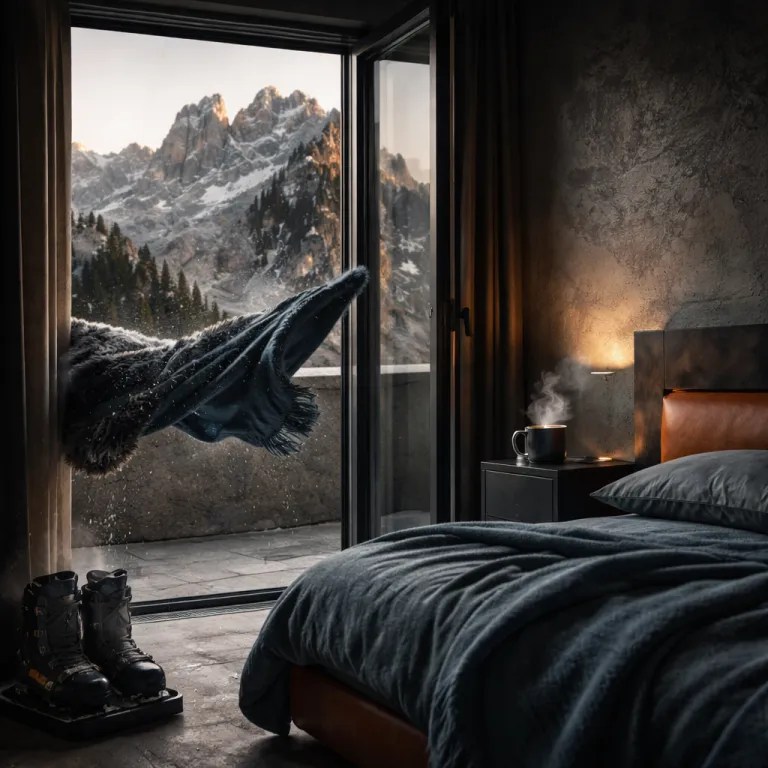
Design and ambiance at Aman Rosa Alpina: quiet luxury in the Dolomites
Aman Rosa Alpina sits in the village of San Cassiano, framed by the Dolomites and a skyline of pale limestone towers. The reimagined Alpina hotel keeps the bones of the historic Rosa Alpina while pushing the interiors into a cleaner, more architectural language that feels like quiet luxury rather than chalet nostalgia. Glass walls, high ceilings and long sightlines pull the mountain indoors, so guests never lose the sense of altitude or the drama of the surrounding peaks.
The renovation led by architect Jean-Michel Gathy—often credited in design media as Michel Gathy or Jean Michel Gathy—strips back heavy timber and replaces it with pale woods, stone and soft textiles. Compared with many alpine hotels in this region of South Tyrol, the palette is cooler and more minimal, but the fireplaces, books and deep sofas keep it from feeling gallery-sterile. You feel the Aman aesthetic immediately, yet the building still reads as a long-established mountain house in village San Cassiano rather than a dropped-in global concept, with details like carved doors and local art reminding you of the Alto Adige setting.
What changed versus the previous Rosa Alpina identity is the balance between heritage and clarity. The old property, long run by the Pizzinini family, leaned into Tyrolean ornament, while the new Aman Rosa Alpina uses those references sparingly, almost as punctuation. Public rooms now flow more logically, with framed views to the mountain and village, and the lighting is tuned for evenings that feel intimate rather than theatrical; you move from bar to lounge to restaurant without losing the sense of being in a lived-in alpine home. Design publications such as Wallpaper* and official Aman hotel materials, often illustrated with photography credited as “courtesy Aman” or to Hugo and Ursula, underline this shift toward a more architectural, quietly luxurious mountain retreat.
Rooms, suites and the real sweet spot in the price ladder
The 51 rooms and suites at Aman Rosa Alpina are where the Aman brand’s precision really shows. Entry-level rooms are generous by European ski hotel standards, but if you care about views of the Dolomites and a sense of volume, the step up to a Heritage Room or Junior Suite is where the value sits. Above that, the largest suites become statement spaces with expansive mountain views, but the price jump will not make sense for every traveller focused on ski days rather than in-room entertaining.
In this Aman Rosa Alpina review, the Heritage Room category deserves special attention because it best preserves the original Rosa character. These rooms combine traditional timber, softer lines and a more residential feel, yet they still benefit from the Jean-Michel Gathy rework of bathrooms and lighting. For many guests, this is the category where the upgrade math works: you gain atmosphere and better Dolomite views without entering the stratospheric pricing of the top-tier suites, and you still feel closely connected to the village and surrounding region.
Travellers who plan to ski hard and use the hotel mainly as a calm base can comfortably stay in the lower categories, provided they accept less dramatic views and slightly more compact layouts. Those who see the room as part of the experience, especially on storm days when the mountain closes, should budget for at least one step above entry level. As a broad guide, winter nightly rates for standard rooms at this luxury hotel typically sit in the high three- to low four-figure euro range, with suites and the flagship Aman Suite—listed at about 158 square metres on Aman’s official accommodation pages—rising well above that. If you are used to ski-in, ski-out condos in North America, such as the luxury ski-in, ski-out condos at Keystone, remember that here you are paying for crafted quiet luxury, attentive service and a refined mountain hotel atmosphere rather than direct slope access.
From Rosa Alpina to Aman Rosa: what really changed in service and soul
Before the Aman era, the Rosa Alpina was one of Italy’s most respected mountain hotels, anchored by the Pizzinini family and their deep roots in San Cassiano. That family imprint has not vanished; instead, it has been reframed within the Aman service culture, which is more formal, more anticipatory and more globally consistent. Longtime guests will notice fewer rustic touches and more polished rituals, from arrival to turndown, yet staff still greet returning visitors by name and remember preferred tables or favourite wines.
The core promise remains a serene alpine retreat in this corner of Alto Adige, but the way it is delivered has shifted. Staff now operate with the almost invisible choreography typical of Aman hotels in Europe and Asia, while still drawing on local Ladin knowledge for guiding, dining and cultural experiences. For travellers, this means you can expect both the warmth of a village San Cassiano address and the discretion of a serious luxury hotel, with small gestures—like a hot tea waiting after a cold day on the mountain—underscoring the Aman Rosa approach.
Service at Aman Rosa Alpina is also more tightly integrated with outdoor activity planning, from ski guiding to summer hiking on the Piz Sorega plateau. The concierge team can arrange everything from first tracks near the Sorega gondola to transfers across the region, in the same way high-end operators manage stays at premium retreats like the Eagle Crest vacation rentals in Oregon’s high desert. Practicalities are handled quietly: there is a dedicated ski room with boot-warmers, daily shuttles to the lift during operating hours, and staff who can have passes and equipment ready before breakfast. The result is a property that feels less like a traditional family-run inn and more like a mountain outpost of a global travel brand, for better and for worse.
Ski access, Sellaronda reality and a typical day on the mountain
Aman Rosa Alpina is not a true ski-in, ski-out hotel, and that matters if you are counting laps. The property sits in the heart of San Cassiano village, a short minute walk or quick shuttle from the Sorega gondola that rises to Piz Sorega and the Alta Badia network. Once you are on that lift, the Dolomiti Superski system opens up, including the famous Sellaronda circuit that loops around the Sella massif and links several major ski areas in this part of Italy.
On a typical winter day, guests leave the Alpina hotel after an unhurried breakfast, walk through the village to the gondola and are on the mountain within minutes. From Piz Sorega, you can choose mellow blue runs above the tree line, or push out towards Corvara and beyond for more ambitious mileage. The ski terrain here is about long, scenic cruising rather than extreme steeps, which suits many visitors who come for the combination of snow, sun and views across this region of north-east Italy and the wider Dolomites.
Lift queues around San Cassiano are usually lighter than in nearby Cortina, especially outside peak holiday weeks, which is why seasoned Europe-based skiers quietly favour this village. That translates into less time in line and more time on snow, followed by a relaxed return to the hotel for spa time or a swim in the indoor pool. Shuttle transfers between the hotel and the Sorega gondola typically run every few minutes in the morning and mid-afternoon, with on-demand pick-ups later in the day. If you are comparing global options, this is a very different rhythm from powder-focused destinations in Japan, such as those covered in our guide to refined ski resort escapes in Japan’s powder-rich mountains.
Dining, La Stua de Michil and the new Aman culinary layer
Food has always been central to the Rosa Alpina story, and that continues under the Aman Rosa flag. La Stua de Michil, the heritage fine-dining room, still carries the weight of expectation for serious gastronomes who travel to this part of South Tyrol. The question for many returning guests is how much of the original soul remains once a global brand steps in and overlays its own culinary philosophy on a beloved local restaurant.
The answer, based on this Aman Rosa Alpina review, is that the culinary program now feels more layered. La Stua de Michil keeps its focus on local produce, Ladin traditions and a sense of theatre, while other venues introduce a more international Aman tone, including lighter menus that suit spa days and post-ski evenings. You will also find a more casual restaurant option, sometimes referred to as a shabu restaurant concept in early previews, though the exact naming and format may evolve as the season progresses and the hotel refines how guests use each space.
What has clearly improved is the integration between bar, lounge and dining spaces, which now flow more naturally for those who want an aperitivo, a long dinner and then a quiet drink without leaving the hotel. Wine lists lean heavily on Alto Adige and broader Italian labels, with enough depth to satisfy collectors. Breakfast, often overlooked in glossy reviews, is handled with the same precision, which matters when you are fuelling for a full day on the mountain and want to linger over local cheeses, breads and fruit before heading to the slopes. Typical service hours run from early breakfast through late-night bar snacks, so you rarely feel constrained by the schedule.
Wellness, pools and how Aman Rosa Alpina compares with Le Mélézin
Wellness at Aman Rosa Alpina is less about spectacle and more about calm, which fits the quiet luxury positioning. The spa offers the expected treatments, saunas and relaxation areas, but the real draw is the way the pool and wellness spaces connect to the Dolomites outside. While some early materials referenced an infinity pool and outdoor pool, the emphasis in practice is on serene indoor water spaces with framed views rather than rooftop showpieces, creating a cocoon-like retreat after time on the mountain.
For pairs travelling together, the spa becomes the afternoon anchor after ski, especially on colder days when the mountain wind picks up. You move from the slopes above San Cassiano back to the hotel, trade boots for robes and settle into a rhythm of heat, cold and rest that feels almost monastic. Compared with other Aman hotels in Europe, such as Aman Le Mélézin in Courchevel, the wellness here feels more integrated into village life and less like a standalone temple, with guests drifting between pool, treatment rooms and quiet lounges that overlook the village.
When you compare Aman Rosa Alpina with Aman Le Mélézin, the trade-offs are clear. Le Mélézin wins on immediate ski-in, ski-out access to the Trois Vallées and a more overtly glamorous scene, but it also commands higher price per night for many dates. Aman Rosa Alpina, by contrast, offers fewer rooms, a more intimate village setting and easier access to local culture in Italy, which many visitors now prefer when choosing between high-end ski hotels in Europe. Spa facilities here typically open from mid-morning until early evening, with the pool available for a longer window, so it is easy to fit wellness time around mountain plans.
Booking strategy, best weeks and who Aman Rosa Alpina really suits
For serious skiers reading any Aman Rosa Alpina review, timing is everything. The property, like most high-end hotels in this region of Europe, runs at full tilt over Christmas and New Year, with rates and minimum stays to match. If you value snow quality, calmer pistes and more attentive service, target January after the holidays or March when the sun is higher but the Dolomites still hold their snow well and the village feels less crowded.
Shoulder weeks outside school holidays are where travellers find the best balance between price and experience. San Cassiano remains lively enough for an evening passeggiata through the village, yet you avoid the peak season crush that can overwhelm even the most polished hotel. Best visited outside peak season, you can explore local Ladin culture, sample regional food and enjoy outdoor activities year-round, from hiking and biking to autumn foliage walks.
This is not the right choice if you want loud après-ski or a big-city buzz; Cortina or larger resorts in France will serve you better. Aman Rosa Alpina suits people who care about design, service and a sense of place as much as they care about vertical metres skied. If that sounds like you, then the combination of the Dolomites, the village of San Cassiano and the Aman approach to quiet luxury will justify the deposit and the journey into this corner of northern Italy. For up-to-date figures on room categories, seasonal pricing and availability, the most reliable sources remain Aman’s own booking engine and specialist luxury travel advisors who work regularly in this part of the Alps.
Key figures and context for Aman Rosa Alpina
- Aman Rosa Alpina offers 51 rooms and suites, which positions it as an intimate property compared with many large ski hotels in Europe that often exceed 150 keys. This room count is confirmed in Aman’s official hotel information and echoed in coverage of the reopening by design outlets such as Wallpaper*.
- The flagship Aman Suite measures approximately 158 square metres, giving guests significantly more space than the typical 30 to 40 square metre room found in many alpine hotels in Italy. This figure is taken directly from Aman’s published accommodation details for the property.
- The hotel sits in San Cassiano in the Trentino-Alto Adige region, at an elevation of around 1,537 metres, which provides reliable access to the Dolomiti Superski area without the harsher conditions of much higher-altitude resorts in France and Switzerland. The altitude is consistent across regional tourism data and standard mapping tools.
- According to industry coverage in titles such as Travel and Tour World, the reopening of Aman Rosa Alpina is part of a broader wave of high-end alpine investments, with multiple new properties scheduled across the Alps in the coming seasons. This context helps explain why global travel brands continue to focus on the Dolomites and wider Alpine region.
FAQ about Aman Rosa Alpina
Where is Aman Rosa Alpina located and how do you reach it?
Aman Rosa Alpina is located in the village of San Cassiano, in the Trentino-Alto Adige region of north-east Italy. The nearest major airports are Innsbruck, Venice and Verona, from which guests typically transfer by private car in two to three hours depending on conditions. The hotel sits a short walk from the Sorega gondola, giving access to the Alta Badia and wider Dolomiti Superski area and making it easy to combine village life with full days on the mountain.
What amenities does Aman Rosa Alpina offer?
Aman Rosa Alpina offers luxury rooms and suites, a spa, pool and wellness facilities, refined dining and access to outdoor activities across the Dolomites. In practice, this means a full-service spa and pool area, several dining venues including the renowned La Stua de Michil, and concierge support for ski passes, guides and year-round mountain experiences. The property also offers tailored services for couples and small groups, from private tastings to guided hikes and cultural excursions that highlight local Ladin traditions.
Who designed the new Aman Rosa Alpina interiors?
The redesign of Aman Rosa Alpina was led by architect Jean-Michel Gathy, known for his minimalist yet warm approach to luxury hospitality. His work here blends traditional alpine materials with contemporary lines, creating a calm backdrop for the dramatic Dolomite views. The project reflects a broader Aman strategy of integrating modern design with strong local character, and the interiors are frequently credited in design media to Gathy and his studio, with photography often labelled as courtesy Aman.
When is the best time to book Aman Rosa Alpina for skiing?
The most balanced weeks for skiing at Aman Rosa Alpina are usually mid-January to early February and mid-March, outside the busiest holiday periods. Snow coverage in the Dolomites is typically reliable then, and lift queues around San Cassiano remain manageable. Rates are still premium but often lower than the peak festive and school holiday windows, making these weeks attractive for travellers seeking quieter slopes and more personalised service.
How does Aman Rosa Alpina compare with Aman Le Mélézin for skiers?
Aman Le Mélézin in Courchevel offers direct ski-in, ski-out access to the Trois Vallées and a more overtly glamorous atmosphere, which appeals to travellers who prioritise terrain scale and nightlife. Aman Rosa Alpina trades that immediacy for a quieter village setting, access to the scenic Dolomiti Superski network and a stronger connection to local Ladin culture. For many guests seeking privacy, a slower rhythm and a deeper sense of place in Italy, San Cassiano proves the more rewarding base.