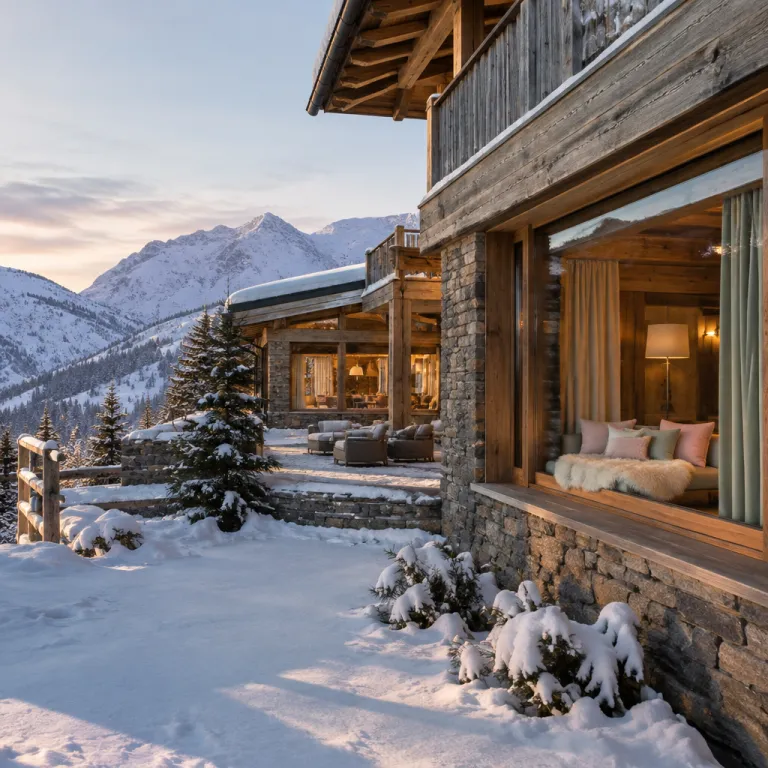
The winter darkness problem in the alpine hotel
On a clear January day the sun can vanish behind the ridge by mid afternoon. In an alpine hotel that means guests return from the last ski run to corridors, lounges and rooms suites that must work hard to replace daylight with intention, not just with more light. The properties that understand alpine hotel lighting design winter conditions treat darkness as a design brief rather than a seasonal inconvenience, using it to shape how every room, restaurant and spa feels after the lifts close.
Mountain geography compresses the day and stretches the evening, so the psychology of illumination matters as much as thread count. When the temperature drops well below zero and cold weather keeps you indoors, the way a hotel layers lighting, fire and reflection will decide whether the long night feels restorative or restless. Couples booking premium hotels should read images of every room and restaurant as carefully as they read piste maps, because lighting design quietly shapes how you feel about the entire ski trip and whether the main building feels like a mountain house or a transit hub.
Look at how ceiling windows and glazing are oriented toward mountain views, then ask how those same spaces behave once the sun has gone. A thoughtful alpine hotel will choreograph the shift from pale afternoon glow to atmospheric light using dimmable lamps, shaded wall sconces and pools of warm illumination over stone and wood surfaces. Less considered hotels blast uniform brightness from floor ceiling fixtures that flatten architecture and decoration, leaving the main building feeling more like an airport lounge than a mountain house and making even beautiful natural materials look tired by early evening.
Layered lighting as hospitality, from lobby to rooms suites
In serious alpine hotel lighting design winter strategy starts at the front door, not in the spa brochure. Step into a well run hotel after a late ski session and you should move through layers of light that slow your breathing; first a soft lobby glow around 100 to 150 lux, then a warmer bar, then the cocoon of your room. This is hospitality expressed through lighting design, where every transition is tuned to guests arriving wind burned and tired and where a boutique hotel will often brief its designers to make the first ten metres inside the door feel like a welcome embrace.
In the best hotels, no single light source dominates, because comfort comes from balance. Table lamps, shaded floor pieces and low level wall lights create an atmospheric light that flatters faces and lets natural materials such as wood, wool and stone read richly against the dark glass of ceiling windows. When you tour rooms suites online, look for multiple circuits and visible dimmers rather than a single central pendant trying to do all the work, and notice whether bedside reading lights, desk lamps and accent lighting can be controlled separately.
Bedrooms in an alpine hotel should feel like a private mountain house, not a showroom. A good example alpine property will place reading lights precisely, wash the headboard wall with gentle illumination and keep the floor ceiling junction free of glare so your eye can rest. Designers such as Joseph Dirand or the teams behind discreet Swiss boutique hotel projects often specify warm white lamps in the 2,700 to 3,000 Kelvin range and indirect LED strips hidden in joinery to keep the room calm while still bright enough to unpack or read.
For a deeper look at how contemporary designers handle this balance of restraint and warmth in the mountains, see how new alpine minimalism is reshaping interiors in this analysis of high altitude design. The same principles that govern proportion and architecture also govern where each light falls on stone, wood and textile. When you evaluate hotels, you are really evaluating how a design team has translated winter darkness into a sequence of welcoming rooms, from lobby to restaurant to the quietest corner of the spa.
Daylight, mountain views and the role of natural materials
Before the sun sets, the smartest alpine hotel lighting design winter plans start with daylight, not with lamps. Orientation, ceiling windows and generous glazing pull in every available ray, turning short day hours into a visual event rather than a countdown to night. When snowfields flare briefly pink against a darkening mountain, you want your hotel room or restaurant to frame that moment like a cinema screen, with blinds and sheer curtains that soften glare without killing the view.
Natural materials do half the work of lighting design if they are chosen well. Honey toned wood, textured stone and heavy textiles catch both natural light and artificial illumination, bouncing warmth back into the room even when cold weather presses against the glass. In the best hotels, architecture, decoration and lighting are designed together so that every wall, beam and floor ceiling junction supports a coherent mood and the same palette flows from lobby to rooms suites and on to the sauna or hot water pool.
Look for an alpine hotel where the main building uses natural materials consistently from lobby to rooms suites, because this continuity calms the eye. A good example alpine property might pair pale oak with rough stone and then repeat those surfaces in the spa, the sauna and the restaurant, letting atmospheric light skim across them at night. For travelers who care about design, this is where alpine hotel lighting design winter thinking overlaps with broader interior trends, as explored in the shift away from cliché chalet style in this guide to warm alpine minimalism.
When you scroll through hotel galleries, pay attention to how daylight and artificial light coexist in the same frame. A room that looks inviting both at midday and after dark usually signals a design team that understands illumination as a twenty four hour discipline. That is the kind of house on the mountain where winter nights feel like a privilege, not a compromise, and where the same careful approach to light appears in every room, restaurant and quiet reading corner.
From après ski to late night: choreography of spaces
The real test of alpine hotel lighting design winter savvy comes between the last drink at après ski and the first yawn before bed. You move from boot room to bar, from restaurant to corridors, from sauna to hot water soak, and each step should feel like part of a single, carefully lit story. When hotels get this choreography right, couples barely notice the transitions; they just feel held, moving through a sequence of spaces where light levels gently fall from around 200 lux in public areas to 50 lux or less in corridors and bedrooms.
In the bar, atmospheric light should pool on tables and leave circulation routes slightly darker, encouraging conversation and a sense of intimacy. The restaurant needs enough illumination to read a menu yet enough shadow to let candlelight and low wall lamps flatter faces, with stone and wood surfaces catching highlights that make the room glow. Corridors back to rooms suites should then dial the brightness down again, using low level floor ceiling grazers or concealed fixtures to guide you without jolting you awake and without turning every wall into a bright white surface.
Well designed wellness areas are equally deliberate. A sauna lit from behind timber slats, a pool edged with underwater light and a hot water relaxation zone washed in soft illumination all signal that the ski day is over and recovery has begun. Many contemporary hotels now add simple control scenes so staff can shift from “family swim” to “quiet spa” at the touch of a button, while older properties that leave bright white light bouncing harshly off tiles show that they have not yet understood how alpine hotel lighting design winter conditions demand gentler cues.
This same thinking now extends into summer seasons, where long evenings and chef led concepts reshape how guests use space. Properties that host high level culinary events often rethink their lighting design to support theatre at the table, as explored in this piece on chef residencies at altitude. If a hotel can stage a memorable dinner under carefully tuned illumination, it can almost certainly handle the subtler demands of a winter night and give guests a consistent experience from breakfast to the last drink at the bar.
How to read the light before you book a ski stay
Most travelers scan room size, spa access and ski in promises, but few interrogate alpine hotel lighting design winter details before booking. Yet photographs, floor plans and even captions can reveal how seriously a hotel treats illumination, from the main building lobby to the most modest room. For couples planning a romantic trip, this is not a minor detail; it is the difference between lingering over a second glass of wine and retreating early to bed because the restaurant feels like a canteen or the bedroom like an office.
Start with the basics in every gallery. Do you see multiple light sources at different heights in the room, or just a single ceiling fixture trying to flood the space with light? Are wall lamps, table lamps and concealed floor ceiling strips used to create atmospheric light, or does every surface appear equally bright and flat? A well considered boutique hotel will usually show at least three types of fixture in each room, even in the simplest category.
Next, look at how materials and architecture interact with lighting. Stone fireplaces, wood panelling and natural fabrics should all catch warm illumination, while ceiling windows and large panes should frame mountain views without turning into black mirrors at night. If you notice harsh reflections, exposed bulbs or cold colour temperatures, you are probably looking at hotels that have not invested in serious lighting design and may leave you feeling more awake than relaxed at the end of a long ski day.
Finally, consider how the property describes its own spaces. When an alpine hotel talks about natural materials, mountain views, sauna rituals and hot water circuits but never mentions lighting, you may want to ask for more images or even a short video. The long winter night is half your stay, and the best hotels treat every hour of darkness as carefully as every groomed ski slope, using thoughtful lighting design to turn stone, wood and glass into a coherent, welcoming house on the mountain.
FAQ
How can I tell if an alpine hotel has good lighting design from photos
Look for several light sources at different heights rather than a single overhead fitting. Rooms that show table lamps, wall sconces and indirect illumination usually feel warmer and more comfortable in winter darkness, especially when light grazes stone and wood instead of shining straight into your eyes.
What colour temperature of light feels best in a mountain hotel during winter
Warm white light in the 2,700 to 3,000 Kelvin range tends to feel most comfortable after a cold ski day. This colour temperature flatters skin tones, enriches natural materials and avoids the clinical feeling that very cool white lamps can create in lounges or bedrooms.
Why does daylight orientation matter if I mostly use the hotel after skiing
Even if you spend most of the day on the mountain, the hours before and after skiing are shaped by how your room handles natural light. Good orientation and generous glazing can turn a short winter day into a memorable sequence of changing mountain views and usually signal that the same care has gone into artificial lighting once the sun sets.
Are open fireplaces essential for a cosy alpine atmosphere
Open fireplaces are atmospheric, but they are not the only route to a cosy feeling. Well designed indirect lighting, warm materials and considered decoration can create a similar sense of comfort without the maintenance and safety issues of real flames, and many contemporary hotels now combine gas fires, stoves and layered lighting to achieve the same emotional effect.
What should couples prioritise when choosing a ski hotel for winter evenings
Couples should prioritise how public spaces and bedrooms feel between late afternoon and midnight, not just during the ski day. Look for bars and restaurants with intimate, layered lighting and bedrooms with controllable lamps rather than only bright ceiling fixtures so you can choose between reading light, soft background illumination and near darkness when you want to sleep.