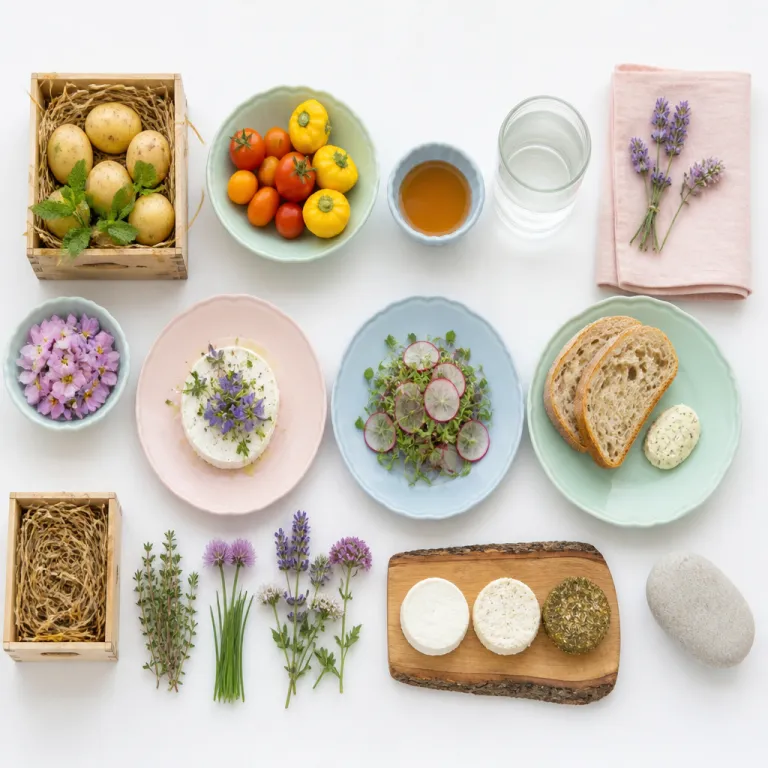
Why summer is the true season for farm to table mountain restaurant alps dining
At 1,500 to 2,000 metres, the idea of a farm to table mountain restaurant in the Alps only becomes fully honest once the snow has melted. In summer the growing season finally catches up with the altitude, so the mountain restaurants that promise local products can actually plate tomatoes, berries and herbs that have travelled from the valley fields rather than from distant lowland depots. That shift turns a winter marketing line into a tangible culinary experience you can taste in every forkful of polenta or grilled trout.
Farm to altitude dining is simple in theory yet demanding in practice, because a serious mountain restaurant in the French Alps must work with what the nearby les vallées can grow week by week. As one industry definition puts it, “It refers to mountain restaurants sourcing ingredients from nearby valleys to offer fresh, local cuisine.” When you book a ski area stay through a curated website that understands this nuance, you are not just choosing a room in Méribel or Val Thorens, you are choosing how close your plate sits to the farms that fed it.
Altitude compresses the calendar, so chefs in restaurants across the Alps think in three short acts rather than four long seasons. Early summer brings leafy greens and wild herbs to high-altitude dining rooms, mid season leans into stone fruits and courgettes, and late summer shifts towards squash and roots that hold their flavour in the cool mountain air. For couples planning a romantic ski resort break with a summer twist, that means timing your stay to match the dishes you love, whether that is a light farm table lunch on a sunny terrace or a richer dinner in a candlelit mountain refuge.
Luxury properties now treat their farm to table mountain restaurant alps offering as seriously as their spa menus, because well travelled guests ask where the lamb grazed and who made the cheese. Many alpine hotels in the wider French Alps partner directly with local valley farmers, artisan cheesemakers and small family butchers, cutting the average food journey that ingredients typically travel in large countries such as the United States down to a handful of kilometres. One chef in Savoie summed it up simply in a 2023 interview with a regional food magazine: “If I can’t name the farmer, it doesn’t go on the menu.” When you browse a specialist booking website such as SkiResortStay, look for clear notes on local sourcing, named producers and seasonal menus rather than vague promises about “regional flavours”.
For American travellers used to winter centric ski culture, this summer focus can feel like a quiet revelation. A farm to table mountain restaurant in the Alps during July will often serve salads, berries and fresh cheeses that were still in the field or dairy that same morning, while the same venue in January relies on preserved stocks and deliveries from the plains. If you want more context on how thoughtful properties are rethinking the mountain hotel model, the in depth guide to how new American mountain hotels are rewriting expectations is a useful benchmark before you choose your next alpine base.
From valley fields to high terraces: how “local” really works in the French Alps
Local means something different when your favourite restaurant terrace in Méribel sits at 1,700 metres and the nearest tomato field lies far below. In the French Alps, serious kitchens build quiet but robust supply chains with local valley farmers, using direct partnerships, farmers’ markets and community supported agriculture schemes to keep ingredients moving uphill as fast as possible. The result is that a plate of polenta with mountain herbs in a Méribel mountain restaurant can tell a more precise story of place than many big city dining rooms.
Take the Les Trois Vallées area, where names like Chez Pépé Nicolas, Clos Bernard and a discreet mountain refuge above Les Menuires have become shorthand for a certain kind of alpine experience. Chez Pépé Nicolas operates as a working alpine farm and restaurant, with cheeses, yogurts and some vegetables coming straight from their land before they reach the table, and the same spirit shapes Clos Bernard in the forest above Méribel. These are not just stops that travellers tick off a list, they are working farms and refuges that happen to cook extremely well, and that combination creates a uniquely friendly atmosphere for couples lingering over lunch.
Across the wider French Alps, from Val Thorens to Val d’Isère and over to Courchevel, the best restaurants do not chase global trends so much as refine a tight circle of local products. A sunny terrace in Courchevel might serve lake fish from a nearby valley, while a dining room in Val d’Isère leans into lamb from a specific plateau and berries from a named grower, and both will change their dishes every few weeks as the short season rolls on. One Val d’Isère chef describes his approach this way: “From mid-June to early September, our menu changes at least six times. When the last raspberries from the valley arrive, that dessert disappears the same week.” When you read menus online, look for this level of detail, because it signals a kitchen that cooks with the valley rather than against it.
Even outside France, the same logic applies in places like Crans Montana in Switzerland, where mountain restaurants work with Valais winegrowers and dairy farms, or in American resorts that are slowly catching up. SkiResortStay’s guide to elegant ski resorts near Boston for refined alpine escapes shows how New England properties are starting to mirror this European model, with kitchen gardens and close relationships to small family farms. For you as a guest, that means the same couple’s weekend can include a hike through the meadows that fed your cheese plate and a late afternoon glass of wine on a terrace that looks directly down to the orchards.
When you compare options on any booking website, pay attention to how each property talks about its restaurants and its wider alpine context. A generic promise of “gourmet cuisine” tells you little, while a clear explanation of which les vallées supply the vegetables, which family dairy provides the cheese and how the chef plans seasonal menus signals real intent. That level of transparency builds trust, and it also makes the eventual culinary experience more satisfying, because you arrive already tuned into the landscape that shaped your dinner.
Where to book for serious farm to table mountain restaurant alps cooking
For couples who care as much about the plate as the piste, certain addresses in the French Alps stand out. In Les Menuires, the high pasture setting of Chez Pépé Nicolas turns lunch into a full day experience, with a short walk through grazing land before you sit down to dishes built around their own dairy and nearby producers. The atmosphere is relaxed but precise, and the staff will happily explain which field your cheese came from or how the cook adapted a traditional recipe to match this week’s herbs.
Over the ridge in Méribel, Clos Bernard hides in the forest yet feels central to the area’s culinary conversation, especially in summer when the terrace becomes a de facto mountain refuge for hikers and skiers in off season training. Here the menu leans into grilled meats, mountain vegetables and generous polenta, with sauces and garnishes that change as the short alpine season moves from greens to roots. A well chosen wine list and a genuinely friendly atmosphere make it an easy recommendation for a romantic evening, particularly if you time your walk back with the last light on the peaks.
Val Thorens and Val d’Isère, often associated with hard charging ski culture, now host restaurants that take farm table sourcing just as seriously as their more low key neighbours. In Val Thorens, several mountain restaurants work closely with farms in the lower Maurienne and Tarentaise valleys, while in Val d’Isère chefs are building tasting menus around specific cheeses and vegetables from named hamlets. One example: a Val Thorens dining room sources tomme and raclette from a farm roughly 20 kilometres down the valley, with delivery runs two or three times a week during peak summer. When you browse options on a specialist website, filter for properties that highlight these partnerships, because they are the ones where the culinary experience will feel anchored rather than generic.
Beyond the French Alps, destinations like Crans Montana show how this model travels, with restaurants mountain side that collaborate with local wine estates and alpine dairies to keep the menu rooted in the surrounding slopes. In North America, resorts such as Keystone are starting to frame lodging and dining together, and the detailed overview of Keystone ski resort lodging refined for elevated alpine stays highlights how thoughtful properties integrate regional ingredients into their restaurant concepts. For you as a guest, that means you can now expect a farm to table mountain restaurant alps standard of sourcing on both sides of the Atlantic, provided you choose carefully.
When planning, build your itinerary around meals rather than fitting meals into your itinerary. Book lunch at a high mountain restaurant on the same day you tour a local farm, or pair a morning hike with an afternoon cooking class that shows you how to handle alpine herbs and grains at home. This kind of planning turns a simple ski resort booking into a layered trip where the restaurants, the landscape and the local families who farm it all share equal billing.
How to read menus, talk to chefs and book smarter this summer
Once you arrive, the menu becomes your best guide to how seriously a restaurant treats its valley. Look for clear mentions of local products, named farms and seasonal cues, because a true farm to table mountain restaurant in the Alps will proudly list its partners and sometimes even the altitude of their fields. If the dishes read like they could be served anywhere, ask a few gentle questions about sourcing before you commit to a long lunch.
Chefs who work at altitude are usually happy to explain how the short growing season shapes their cooking, especially in quieter summer services when the ski crowds have gone home. Many now run informal foraging walks, garden visits or dairy tours, turning a simple meal into a half day experience that connects you directly with the landscape behind the plate. When a restaurant in Méribel or a Courchevel dining room offers this kind of programme, it is usually a sign that the team thinks beyond the dining room and treats the whole alpine area as part of the kitchen.
For couples, this is where a romantic break in the French Alps can feel genuinely intimate rather than staged. Sharing a plate of creamy polenta made with milk from cows you met that morning, or tasting a cheese in a mountain refuge before seeing it again on your dinner board, creates memories that outlast any generic spa treatment. If you are travelling with extended family, choose alpine restaurants that balance serious cooking with a relaxed, friendly atmosphere, so children can explore the meadow edges while adults linger over coffee.
Back home, the same principles can shape how you choose mountain restaurants in the United States, whether you are heading to Colorado, Vermont or the Adirondacks. The U.S. Department of Agriculture has reported that food in the American system often travels long distances from producer to plate, and that the vast majority of U.S. farms are classified as small family operations, which means there is real potential to shorten those journeys by supporting nearby producers. When you next scroll through a booking website for a ski resort stay, treat the restaurant section as seriously as the room photos, and prioritise properties that talk concretely about their farmers, their seasons and their valleys.
Finally, remember that the most rewarding farm to table mountain restaurant alps experiences rarely shout the loudest. They tend to be the places where the cook is still in muddy boots at lunchtime, where the wine list quietly champions neighbouring slopes, and where the staff know the names of the families who supply their cheese and vegetables. Choose those, and summer in the mountains will taste exactly as it should.
FAQ: farm to altitude dining in alpine ski resorts
What is farm to altitude dining in the context of ski resorts ?
Farm to altitude dining in ski resorts means that mountain restaurants source most of their ingredients from nearby valleys rather than distant distributors. This approach keeps food miles low, supports local valley farmers and ensures that menus change with the short alpine growing season. In practice, it turns a meal into a direct link between your plate and the surrounding landscape.
Why is summer better than winter for farm to table mountain restaurant alps experiences ?
Summer is better because the fields, orchards and dairy pastures that supply the restaurants are in full production. Chefs can work with fresh vegetables, fruits and herbs that were harvested the same day, instead of relying mainly on preserved stocks and long distance deliveries as they often do in winter. For guests, that means brighter flavours, more varied menus and a closer connection to the local products of the valley.
How does local sourcing affect what I see on the menu ?
Local sourcing means that menus in alpine restaurants change frequently, sometimes every few weeks, to reflect what is available in the nearby valleys. Early summer brings greens and herbs, mid season focuses on tomatoes and stone fruits, and late summer leans into squash and root vegetables that store well. You will usually see producers named on the menu, which is a strong sign that the restaurant takes its relationships with local farms seriously.
How can I tell if a ski resort restaurant really supports local farmers ?
A genuine farm to altitude restaurant will be transparent about its suppliers and its seasons, both on its website and on the printed menu. Look for named farms, dairies and valleys, ask staff where key ingredients come from, and notice whether the dishes change with the time of year. If the answers are specific and the menu feels seasonal, you are likely supporting a place that invests in its local community.
Should I book restaurants in advance for summer stays in the mountains ?
Advance reservations are strongly recommended, especially for well known farm to table addresses in popular alpine areas. Summer services can be busy with both hikers and local families, and many restaurants have limited seating on terraces or in mountain refuges. Booking ahead ensures you secure the best times and can plan hikes or farm visits around your meals.