How luxury ski hotel interior design 2026 splits the alpine room
The coming winter in the Alps is drawing a sharp line between alpine heritage maximalism and mountain minimalism in every serious luxury ski hotel interior design 2026 project. On one side you have carved timber, roaring fireplaces and layered textiles in grand hotel spaces that feel almost theatrical, while on the other you find clean planes, pale stone and quiet lighting that turn the ski hotel into a contemplative refuge for solo travellers. For anyone planning ski holidays and scrolling through luxury hotels online, the real question is whether you want your ski area base to feel like a lively chalet salon or a private living room in the clouds.
This divide is clearest in the new generation of ski resorts in Switzerland, France and the United States, where design is now as carefully engineered as the lift system in each mountain area. Properties in Zermatt, Crans Montana and St Moritz are using interior design as a calling card, signalling whether they lean towards classic ski chalets with antler chandeliers or towards alpine minimalism with gallery like rooms. As you compare ski hotels and luxury properties, pay attention to how each room layout, spa corridor and swimming pool deck expresses either warmth through ornament or calm through restraint.
Solo travellers are especially sensitive to this shift because the hotel room becomes both base camp and sanctuary after a long ski day. When you travel alone for ski holidays, you notice whether the living room corner in your suite invites you to read with a glass of wine or whether the design pushes you back down to the bar for après ski. The best luxury ski hotels now curate everything from the height of the bed to the angle of the sofa so that a single guest feels held by the space rather than lost in it.
The Dirand effect at Park Gstaad: Swiss wood, Parisian restraint
Park Gstaad, soon to reopen under Four Seasons management, is the purest case study of luxury ski hotel interior design 2026 in motion. Renowned French interior designer Joseph Dirand is leading the renovation, and his approach to Swiss wood is less chalet nostalgia and more architectural tailoring, turning traditional alpine materials into long, calm lines that frame the mountain rather than compete with it. A renowned French interior designer known for modernizing luxury spaces is now applying that discipline to 75 rooms and penthouse residences, and the result will speak directly to travellers who want their ski hotel to feel like a design studio rather than a hunting lodge.
Dirand’s signature is a kind of mountain minimalism that still understands the realities of a ski resort in deep winter. Corridors are wide enough for ski boots, yet the lighting is softened so that returning from the ski area feels like entering a private gallery, and the living room spaces in suites are arranged to keep the view of the alpine slopes as the main artwork. For solo guests, this means a room that functions as a precise refuge, with every piece of furniture placed to support quiet rituals after a day on the mountain rather than to impress a crowd.
Gstaad itself, in the Bernese Oberland of Switzerland, has always traded on understatement compared with louder ski resorts such as Val Thorens or certain corners of Aspen. With Dirand’s interior design, Park Gstaad is doubling down on that identity, positioning itself as a star hotel for travellers who care more about the line of a stone bench in the spa than the size of the chandelier in the lobby. If you appreciate the thoughtful renovation work seen at properties like the Rimrock Banff reopens as Emblem Collection’s North American debut, what the renovation actually changed will give you a useful benchmark when you evaluate how Park Gstaad balances heritage and modern luxury.
Lalique in Courchevel and the new alpine maximalism
Across the mountains in Courchevel, a very different expression of luxury ski hotel interior design 2026 is taking shape through a collaboration between Maya Collection and Lalique. Here, alpine maximalism is not about clutter but about material intensity, with crystal, polished wood and deep fabrics layered to create a sense of theatrical warmth after a cold day on the ski slopes. Lalique is a French luxury brand famous for its crystal artistry and design, and its presence in a ski hotel instantly signals that this resort is courting guests who want their ski holidays wrapped in sparkle.
The creative director Marc Larminaux is overseeing the ‘Air de Lalique’ collection, and those pieces will anchor key rooms and public areas in the Courchevel property. Instead of generic luxury finishes, you will see crystal panels catching the low winter light in the spa, sculpted vases punctuating corridors that lead to the swimming pool, and bespoke fixtures in selected rooms that turn each ski chalet style suite into a small gallery. This is alpine design as stagecraft, ideal for travellers who treat the hotel as much a part of the trip as the ski area itself.
Courchevel’s aesthetic sits closer to the energy of Val Isere and certain slopeside corners of Val Thorens than to the quieter mood of Zermatt or Crans Montana. Après ski here often flows from the bar to the lobby and back again, and the interior design supports that social rhythm with glowing crystal, generous sofas and a grand hotel scale that encourages mingling. If you are a solo explorer who enjoys being folded into a glamorous crowd rather than retreating to a private room, this kind of alpine maximalism will feel like the best luxury expression of a mountain holiday.
Zermatt, Aspen and the solo traveller’s room as refuge
Look at Zermatt and Aspen and you see how the luxury ski hotel interior design 2026 conversation plays out beyond headline openings. In Zermatt, the comprehensive renovation of Hotel Edelweiss into a modern luxury property shows how a traditional alpine building can be reimagined with cleaner lines while still feeling rooted in the mountain. Aspen’s White Elephant, with its Palm Beach and Nantucket pedigree, brings a lighter coastal touch to a ski resort setting, proving that ski hotels can borrow from seaside design without losing their alpine soul.
For solo travellers, the most important test is always the room itself, because that is where the day’s noise finally drops away. Pay attention to how the living room area in your suite is arranged, whether the desk faces the mountain or the corridor, and how the lighting can be tuned from bright gear sorting mode to soft reading mode after après ski. In destinations such as St Moritz, Cortina and Crans Montana, the best luxury hotels are now designing rooms that flex between social and solitary, with sliding panels, generous bathrooms and spa like details that turn even a standard room into a small wellness retreat.
When you compare ski chalets, ski hotels and larger luxury properties on a booking platform, read the floor plans as carefully as you read the snow reports. Check whether the swimming pool is a quiet lap pool or a family zone, whether the spa is carved into rock like at certain alpine wellness pioneers, and whether the interior design of public rooms matches the mood you want after a day in the ski area. If you are planning refined alpine escapes from North American cities, guides to elegant ski resorts near Boston can help you understand how different mountain hotels translate these design philosophies across continents.
How to read luxury ski interiors when you book online
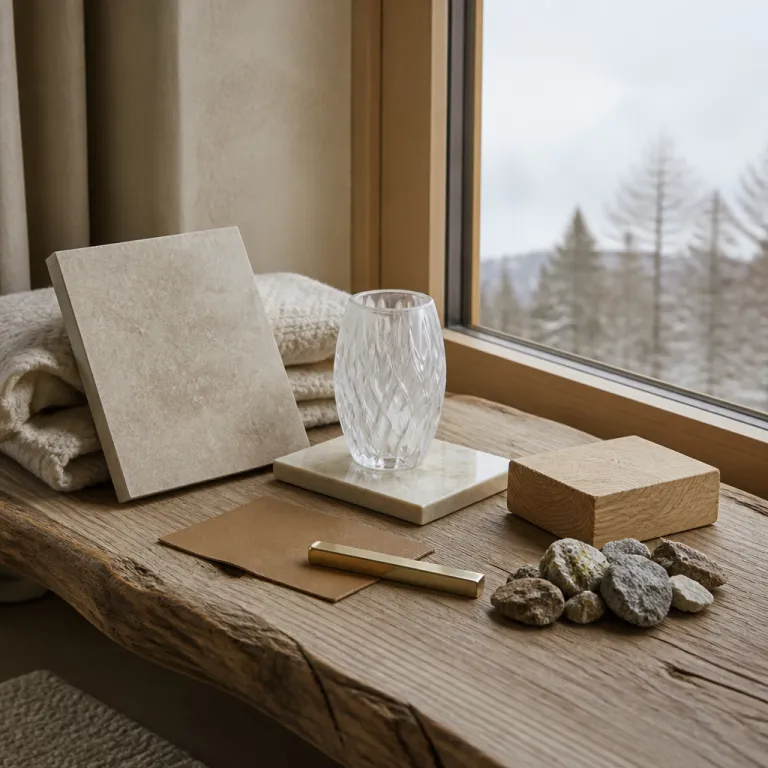
When you scroll through images of ski resorts and luxury hotels, train your eye to decode the design language behind the styling. A room with heavy beams, patterned textiles and a blazing fireplace is signalling alpine heritage maximalism, while a space with pale timber, low furniture and large unframed windows is speaking the new mountain minimalism of luxury ski hotel interior design 2026. Neither is automatically better, but each will shape how you feel returning from the ski area after a long day on the mountain.
Look beyond the headline features and study the details that matter on real ski holidays, especially if you travel alone. Are there hooks and benches placed where you actually drop gear, is the spa accessible without crossing the main lobby in full après ski mode, and does the swimming pool feel like a calm extension of the wellness area or a noisy attraction for families. In a star hotel that understands solo travellers, the interior design of corridors, lifts and small lounges will feel intuitive, guiding you gently from public to private without forcing you through crowds.
Finally, consider how the wider resort context aligns with the hotel’s aesthetic, because a minimalist room in a high energy party town can feel as jarring as a crystal drenched suite in a quiet valley. Gstaad, Zermatt and Crans Montana tend to favour understated luxury, while Courchevel, Val Isere and Val Thorens lean into a more extrovert expression of ski culture, and Aspen often blends both moods across different properties. Matching your preferred interior design style with the character of the mountain area will do more for your holiday than any single piece of furniture in your room.
FAQ
What is alpine minimalism in luxury ski hotels ?
Alpine minimalism is a design trend blending traditional alpine aesthetics with modern minimalism, using natural materials in clean, uncluttered spaces. In practice, this means pale woods, stone and wool used in simple forms, with large windows framing the mountain rather than heavy decoration. For solo travellers, it creates calm rooms that feel like private refuges after busy days in the ski area.
How does Park Gstaad’s renovation change the guest experience ?
The renovation of Park Gstaad under Joseph Dirand focuses on refining existing spaces rather than adding spectacle, so guests can expect quieter luxury. Corridors, rooms and spa areas are being reworked to emphasise flow, light and views of the surrounding mountains in Switzerland. This will particularly appeal to travellers who value thoughtful interior design over overt displays of wealth in a grand hotel setting.
Why are brands like Lalique working with ski resorts ?
Luxury brands such as Lalique collaborate with ski hotels to differentiate properties through distinctive materials and craftsmanship. In Courchevel, crystal pieces and bespoke fixtures turn public spaces and selected rooms into immersive environments that feel curated rather than generic. For guests, this raises the sense of occasion around a ski holiday and justifies premium rates through visible artistry.
Are design led ski hotels comfortable in deep winter ?
Well executed design led ski hotels balance clean lines with practical warmth, using layered textiles, underfloor heating and smart lighting. Alpine minimalism does not mean cold spaces if the architect understands how people move through a ski resort in heavy gear. When you book, look for cues such as generous seating, thick curtains and well placed fireplaces to ensure comfort matches style.
How should solo travellers choose between maximalist and minimalist ski hotels ?
Solo travellers who want social energy and glamorous après ski often prefer maximalist interiors with rich materials and lively public spaces. Those seeking quiet recovery between ski days usually feel better in minimalist rooms that prioritise privacy, views and simple, calming design. Reading reviews and studying room photos carefully will help you match the hotel’s mood to your own travel style.