Why late summer in the Alps is the insider’s luxury window
Late August to early October is when a late summer Alps luxury hotel stay finally feels unhurried. The heat has eased, the summer crowds have gone, and the mountains settle into a quieter rhythm that suits couples looking for space and time. For a traveler used to peak ski weeks, this shoulder season in the Swiss Alps and French Alps feels like a private upgrade without paying for a higher room category.
In Engadin, average August temperatures hover around 15 °C, which means you can hike in light layers by day and still enjoy a star hotel fireplace or candlelit spa terrace at night. The Engadin Tourism Board frames this period as a pre snow window for guided hikes, cultural tours, and outdoor sports, and the late light over the lake makes even simple hotel rooms feel cinematic. When you book luxury hotels here, look for hotel offers that include guided alpine walks and access to the spa, because those inclusions often cost less now than a basic room in February.
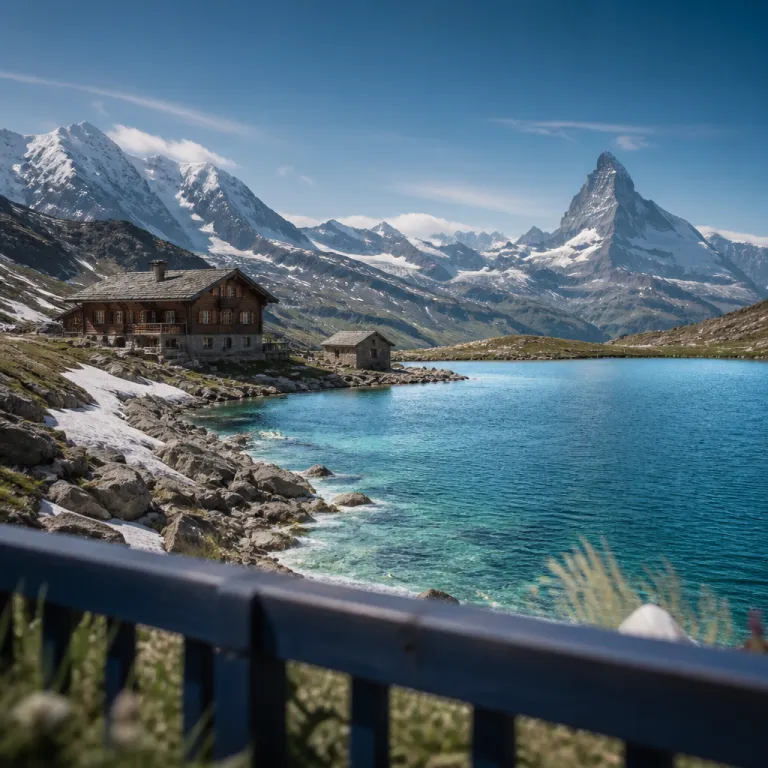
Chamonix and Zermatt share the same late summer logic, but each mountain corridor plays it differently. Chamonix Mont Blanc quiets down after the UTMB trail running circus leaves town, and the Chamonix Mont Blanc Tourist Office notes that this context is ideal for mountain activities before winter preparation begins. Zermatt Tourism, which manages a destination that welcomes around 2 000 000 visitors annually, leans into dual season appeal with glacier ski options on the Matterhorn while the lower hiking trails stay dry and golden.
Engadin’s golden light and the late-summer palace hotels
Engadin in late summer is about light first, luxury second, and ski only as a promise of what is coming. The valley’s long, high plateau catches a particular golden tone in September, turning every late summer Alps luxury hotel balcony into a front row seat for slow sunsets over the mountains. Photographers chase this Engadin light because it flatters everything from lake reflections to the stone façades of grand hotels.
Badrutt’s Palace in St Moritz is the clearest example of a property that programmes this season rather than simply staying open. With a summer season that extends into early September, the palace uses its spa, indoor swimming pool, and outdoor swimming terraces as the social heart, while the ski rooms quietly wait for snow. Couples can book rooms suites that would be out of reach in peak winter, and the best luxury value often comes from multi night hotel offers that bundle half board with Engadin guided hikes.
The Engadin Tourism Board, which promotes Engadin's summer retreats, positions this late period as a serene alternative to both high summer and high ski season. Their stated objectives are to offer serene mountain experiences, provide outdoor activities before snowfall, and showcase alpine culture and scenery. If you are used to the Dolomites, think of this as the Swiss answer to a refined, quiet mountain base like the one in this in depth Rosa Alpina review of what a discreetly expensive room delivers, but with Engadin lakes and larch forests instead of limestone towers.
Zermatt and the Swiss Alps: glacier ski mornings, poolside afternoons
Zermatt is where a late summer Alps luxury hotel stay can still include real ski turns, thanks to the Matterhorn glacier. You wake to crisp air, take the first lift for a few hours of glacier ski laps, then return to the village for an afternoon of outdoor swimming or a quiet spa circuit. This dual season rhythm is why Zermatt remains one of the best hotels markets in the Swiss Alps for couples who want both activity and rest.
Many of the best luxury hotels here use their spa and swimming pool complexes as the anchor for late season programming. A property that feels like a pure ski hotel in January suddenly becomes a wellness retreat, with yoga decks facing the mountains and hotel offers that include guided hikes instead of lift passes. When you compare late summer rates with early winter, you often see price drops of 20 to 30 percent for similar rooms suites, especially outside peak event weeks.
For a sense of how smart mountain properties justify their pricing across seasons, look at how a Colorado resort uses its trail system and pool deck in this analysis of July in the mountains and the pool deck that earns peak rates. Zermatt’s late summer strategy is similar, but with glacier ski access as the trump card rather than a kids club. When you run your own review check on Zermatt hotels, focus less on winter photos and more on how they talk about hiking, outdoor terraces, and spa rituals between August and October.
Chamonix, the French Alps, and the quiet after UTMB
Chamonix in late summer is a different proposition from its high winter persona, and that is exactly the appeal. Once the UTMB runners and their support crews leave, the valley shifts from endurance spectacle to a calmer rhythm that suits couples seeking a late summer Alps luxury hotel with real Mont Blanc views. The lifts still run, the hiking network of around 350 km remains open, and the cafés finally have empty tables again.
This is when a star hotel in Chamonix can feel like a private lodge, especially if you choose properties that lean into spa rituals and quiet rooms rather than après ski noise. Look for hotel offers that include access to an indoor swimming pool and a spa circuit, because the cooler evenings make those inclusions more valuable than a free welcome drink. The Chamonix Mont Blanc Tourist Office highlights this pre snowfall context as ideal for mountain activities, and that translates into better value for guests who care more about trail time than lift queues.
From a pricing perspective, late summer in Chamonix often undercuts both peak summer and early winter by a noticeable margin. If you are used to paying February rates in Courchevel or Val d’Isère, you will find that the best hotels here offer more generous rooms suites and quieter spa areas for the same budget. For couples who usually chase luxury ski weeks, this is the moment to reframe the French Alps as a place for slow mornings, long lunches, and golden hour walks rather than only for first lifts.
How to choose your late-summer mountain retreat: Engadin, Zermatt, or Chamonix
Choosing between Engadin, Zermatt, and Chamonix for a late summer Alps luxury hotel stay comes down to your priorities. If you want golden light, lake reflections, and grand hotels with history, Engadin and its palace style properties will suit you best. If you need glacier ski access alongside spa time, Zermatt is the clear winner, while Chamonix offers the most dramatic Mont Blanc skyline and the easiest access from Geneva.
For couples used to winter in Courchevel, Val d’Isère, or Crans Montana, this is also a chance to recalibrate what luxury means in the mountains. In late summer, the best luxury experiences are less about ski in ski out and more about quiet terraces, well designed rooms, and spa rituals that feel unhurried. You still want a serious spa, a proper swimming pool, and thoughtful rooms suites, but you also want hotel teams who understand hiking logistics and can arrange outdoor picnics or private guides.
When you plan, treat your hotel choice the way you would analyse a piste map, using tools like this guide to how a detailed ski resort map elevates a luxury stay. Run a personal review check on each property’s late season photos, spa descriptions, and hotel offers, and pay attention to whether they talk about outdoor activities, national park style excursions, or only winter ski services. Late summer in the Alps rewards the traveler who reads between the lines and books the mountain hotel that truly lives this quieter season, rather than one that simply waits for the first snowfall.
FAQ
What activities are available in Engadin during late summer ?
Engadin offers hiking, biking, and cultural events during late summer, with guided hikes and outdoor sports supported by local tourism boards and hospitality providers. The valley’s larch forests and lakes make these mountain activities especially scenic in September. Many hotels also organise cultural tours and spa programmes tailored to this quieter season.
Is Zermatt suitable for a late-summer luxury stay with some skiing ?
Zermatt is well suited to late summer luxury because the Matterhorn glacier allows year round ski access while lower trails stay open for hiking. Couples can combine morning glacier ski sessions with afternoons at the spa or by the swimming pool. This dual season setup makes Zermatt one of the best luxury options in the Swiss Alps for active travelers.
What is the best way to reach Chamonix for a late-summer trip ?
The best way to reach Chamonix for a late summer stay is by train or car from Geneva, which keeps transfers under two hours in normal traffic. This easy access makes Chamonix attractive for long weekends or short romantic breaks. Once in the valley, you can rely on lifts and local buses to reach most trailheads and viewpoints.
How does late-summer pricing compare with winter rates in these resorts ?
Late summer rates in Engadin, Zermatt, and Chamonix are generally lower than peak winter prices, especially for high category rooms and suites. In many luxury hotels, you can expect meaningful savings compared with February or New Year weeks, while still enjoying full spa access and outdoor activities. The best value often comes from hotel offers that bundle half board with guided hikes or wellness treatments.
What should I pack for a late-summer Alps luxury hotel stay ?
Pack layers for variable weather, including a light down jacket, breathable base layers, and a waterproof shell for mountain showers. Comfortable hiking shoes, sunglasses, and sunscreen are essential for outdoor activities at altitude. For evenings in luxury hotels, bring smart casual outfits that work both in the bar and in refined dining rooms.
Sources
Swiss Meteorological Institute ; Zermatt Tourism ; Chamonix Mont Blanc Tourist Office.