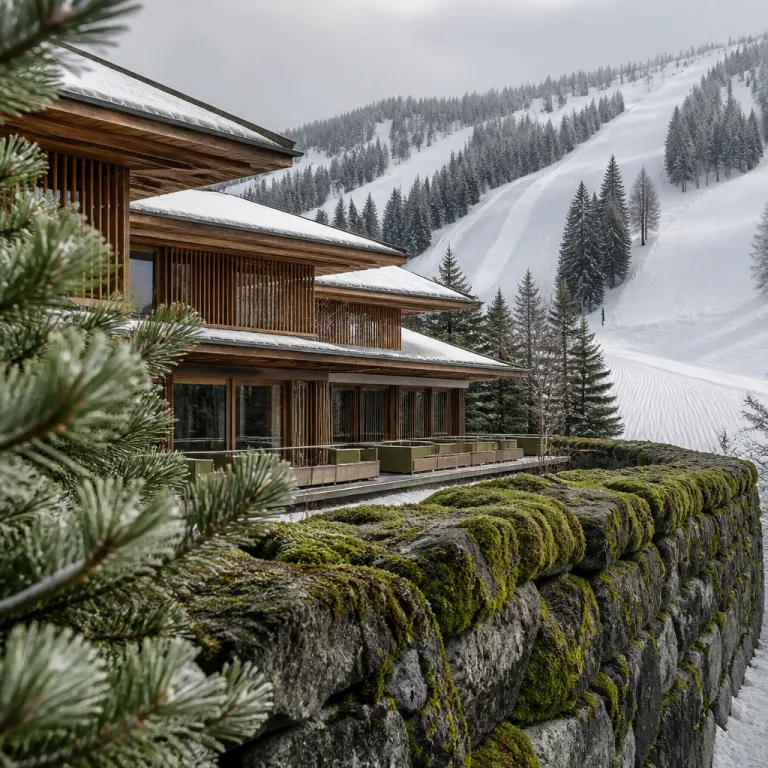
Niseko’s new era of luxury ski hotels in Japan
For travelers tracking luxury ski hotels in Japan in 2027, Niseko remains the reference point. The combination of deep powder, a sophisticated hotel pipeline, and the niseko united lift network keeps this ski area firmly at the top of any short list. If you plan a serious ski trip focused on advanced skiing japan conditions, you start by asking how close you want to sleep to these slopes and how much luxury you expect from your chosen resort.
Right now, the most established luxury ski ecosystem in niseko revolves around Park Hyatt Niseko Hanazono, Higashiyama Niseko Village Ritz Carlton Reserve, and a growing ring of high end chalets. These properties anchor a cluster of ski resorts that already feel closer to the Alps in service level, while still rooted in japanese ski culture and the quiet efficiency of Hokkaido operations. When you read the room rates and compare them with Colorado or the French Alps, you see that top tier suites are no longer a bargain, but the value equation still favors japan when you factor in snow reliability and onsen access.
Looking toward luxury ski hotels in Japan in 2027, the confirmed development of Aman Niseko signals a decisive shift. The project, set on a broad mountain plateau above niseko, is designed as a low density ski resort with direct access to tree skiing and panoramic views of Mount Yotei. Its integration of indoor outdoor hot spring experiences, private onsen style baths, and discreet japanese service will likely reset expectations for what luxury ski means in resorts japan wide.
Beyond the big brands, H2 Life has become a quiet power player in the niseko luxury ski space. This accommodation provider curates villas and chalets that sit between a traditional hotel and a private home, giving strong privacy while keeping you close to the ski area lifts and the best ski terrain. For many independent travelers, these properties offer a more flexible way to enjoy niseko powder, especially if you want to combine serious skiing with evenings in local restaurants bars rather than staying inside a single resort bubble.
One practical question for anyone booking luxury ski hotels in Japan in 2027 is how to balance ski in access with nightlife and apres ski. Hanazono and Niseko Village give you immediate access to the slopes and quieter evenings, while Hirafu offers more apres ski energy but sometimes requires a short shuttle to reach the best ski lines. If you care more about first tracks in untracked snow than late night bars, choose a hotel that prioritizes the mountain over the main street and treat apres ski as a bonus rather than the focus.
Price wise, niseko now sits closer to mid range Swiss and Colorado icons than to budget friendly asian ski resorts. Top suites in the most exclusive hotel properties can rival rates in Zermatt or Aspen, but standard rooms and well located apartments still undercut the French Alps at similar quality levels. For many guests, the ability to step from a refined lobby straight into waist deep powder, then soak in an onsen with mountain views, justifies the premium and keeps niseko firmly in the best ski conversation.
Furano: the connoisseur’s alternative to Niseko’s density
While niseko grabs headlines, furano is quietly becoming the connoisseur’s choice for luxury ski hotels in Japan in 2027. The town sits in central hokkaido, far enough from sapporo to thin the crowds, yet close enough for a smooth transfer after your flight. For skiers who care more about consistent powder and uncrowded slopes than about being seen, furano offers a compelling resort balance.
The ski area here is split between Furano Zone and Kitanomine Zone, both offering long fall line runs that feel very different from the more fragmented niseko united terrain. You still get excellent tree skiing when conditions allow, but the overall rhythm is more about carving fast lines on groomers and hunting soft snow stashes between the pistes. This makes furano ideal for mixed ability groups, where some guests want the best ski experience on piste while others focus on gentle skiing japan style with frequent coffee stops.
On the accommodation side, H2 Life has extended its portfolio from niseko into furano with villas and chalets that bring a new level of luxury to this quieter resort. These properties often feature generous living spaces, well equipped kitchens, and sometimes a private hot spring style bath, giving you a hybrid between a hotel suite and a private residence. For solo travelers or couples, this setup can feel more relaxed than a large resort, especially if you prefer to read by the fire after skiing rather than chase late night apres ski.
Furano’s town fabric also matters. Unlike some purpose built ski resorts japan has developed, this is a real japanese community with year round life, local schools, and family run restaurants bars. You can walk from your accommodation to ramen counters, izakaya, and small wine bars, then return to a quiet street where the only sound is snow falling on the roofs. That sense of being in an authentic japanese ski town, rather than a globalized resort, is a major part of furano’s appeal.
Wellness is evolving here too, though on a more understated scale than in niseko. Several properties now offer access to onsen facilities, either on site or via partnerships with nearby hot spring complexes, and some chalets feature indoor outdoor soaking tubs with mountain views. You will not find the same density of branded spas or vast swimming pool complexes yet, but the trade off is a more intimate connection to the surrounding mountain landscape.
For pricing, furano still undercuts niseko for comparable quality, which matters if you are planning a long ski trip. Nightly rates for high end chalets and hotel rooms remain below many Swiss and Colorado benchmarks, especially once you factor in lift ticket costs and dining. If you want to understand how Japan’s emerging luxury ski map compares with established European icons, it is worth reading how Courchevel’s hierarchy is shifting in this detailed look at Rosewood Courchevel and its ultra premium neighbors.
Hakuba and Hakuba Valley: from backpacker base to polished resort
Shift to Honshu and the story of hakuba, and you see a different evolution of luxury ski hotels in Japan in 2027. This former backpacker stronghold in the Japanese Alps has steadily upgraded its accommodation stock, especially around the Wadano area and Happo One base. The result is a ski resort cluster that now competes with hokkaido for international guests who want both serious skiing and refined lodging.
Hakuba Valley is not a single ski area but a network of multiple ski resorts, including Happo One, Hakuba 47, Goryu, Iwatake, and others, all covered by a shared pass. This structure gives you varied slopes, from steep couloirs and off piste bowls to gentle learning zones, making it one of the best ski regions in japan for mixed groups. On a single ski trip, you can chase powder in the morning at one resort, then move to another for sunny groomers and long cruising runs.
Accommodation has followed this diversification. Properties such as Hakuba Tokyu Hotel and a growing collection of luxury chalets in Wadano now offer standards that would have been unthinkable when hakuba was known mainly for budget lodges. Many of these new builds integrate japanese design cues, generous use of wood, and large windows framing the mountain, while still delivering the international comforts that luxury ski travelers expect.
Wellness and bathing culture are central to hakuba’s new identity. Several hotels and chalets now feature onsen style baths, sometimes fed by local hot spring sources, and a few offer indoor outdoor pools that blur the line between spa and landscape. After a day exploring the wider hakuba valley, soaking in steaming water while snow falls around you is a reminder of what japanese ski culture brings that Alpine resorts cannot easily replicate.
Apres ski here remains more low key than in some European destinations, but it has matured beyond simple bars. You will find a mix of craft beer spots, wine focused restaurants bars, and izakaya that serve regional specialties, all within walking distance of key lift bases. For many guests, this balance between a real japanese town and a functioning international ski resort feels more grounded than the fully curated environments of some purpose built European ski resorts.
From a value perspective, hakuba still prices below top tier Swiss and Colorado icons, especially outside peak holiday weeks. Luxury chalets with private onsen style facilities and generous living spaces can cost less per person than mid range hotel rooms in the French Alps, particularly when shared by a group. If you want a broader context on how exclusive European mountains benchmark against resorts japan is now building, it is worth reading this refined guide to exclusive ski resorts in France before you lock in your japan itinerary.
What Japanese omotenashi adds to the ski experience
Beyond the hardware of lifts and hotel rooms, the real differentiator for luxury ski hotels in Japan in 2027 is omotenashi, the japanese concept of anticipatory hospitality. This is not about scripted smiles, but about staff quietly noticing when your gloves are wet, or when you prefer a certain table after skiing. In practice, it changes how a ski resort day feels from the moment you step out of your room.
In niseko, furano, and hakuba, you see omotenashi in the way ski concierges handle gear, arrange lessons, and adjust plans when snow or wind shifts. A good japanese ski concierge will not just book an instructor, but will suggest which ski area within hakuba valley or which side of niseko united will best suit the day’s snow and your ability. That level of slope by slope guidance is what separates a generic ski trip from a curated mountain experience.
Wellness rituals also carry this cultural imprint. Onsen etiquette is explained with care, hot spring temperatures are monitored obsessively, and indoor outdoor bathing spaces are designed for quiet contemplation rather than loud socializing. After a day of tree skiing or carving groomers, the transition from cold mountain air to steaming water becomes a central part of the daily rhythm, not an optional spa add on.
Dining follows the same pattern. Even in international restaurants bars attached to major hotel brands, you will notice a japanese precision in pacing, plating, and ingredient sourcing. In smaller properties and chalets, chefs often build menus around local hokkaido seafood, Nagano vegetables, or regional sake, turning each evening into a subtle geography lesson that deepens your connection to the surrounding mountain and snow.
This cultural layer also affects how you move through the ski resorts themselves. Lift lines are orderly, noise levels stay low, and staff communicate clearly about weather closures or avalanche control, which builds trust when you are navigating unfamiliar terrain. For solo travelers, that sense of calm structure can make skiing japan feel less intimidating than some louder, more chaotic European or North American resorts.
When you compare this with the Alps or Colorado, the difference is not about which destination is objectively best, but about style. European apres ski excels at high energy social scenes, while japanese ski culture excels at quiet, restorative evenings anchored by onsen and thoughtful service. If you want to understand how different mountain cultures shape a stay, this analysis of how a Stevens Pass ski resort map shapes a refined mountain stay offers a useful framework for reading any ski area, including those in japan.
Pricing Japan against Switzerland, Colorado, and the French Alps
For anyone considering luxury ski hotels in Japan in 2027, pricing is no longer an afterthought. The days when niseko or hakuba were cheap alternatives to the Alps have passed, especially at the top end of the market. Yet when you break down the full cost of a ski trip, japan still offers compelling value against Switzerland, Colorado, and the French Alps.
Room rates in flagship properties such as Park Hyatt Niseko Hanazono or Higashiyama Niseko Village Ritz Carlton Reserve now sit in the same band as many five star hotels in Verbier, Zermatt, or Aspen. However, lift tickets, equipment rental, and on mountain dining often cost less in japanese ski resorts, especially once you move beyond the most touristy venues. Over a week, that difference can offset a significant portion of your nightly hotel spend.
Furano and hakuba sharpen this value proposition further. High end chalets managed by operators like H2 Life, or established properties such as Hakuba Tokyu Hotel, typically price below equivalent accommodation in Courchevel or Vail, particularly outside absolute peak weeks. When you divide the total cost by the number of skiers sharing a chalet, the per person rate can feel surprisingly reasonable for a luxury ski experience.
Wellness and leisure facilities also influence perceived value. Many japanese properties include access to onsen or hot spring style baths in the room rate, whereas European and North American hotels often charge extra for spa access or large swimming pool complexes. When you factor in the daily ritual of soaking after skiing, plus the indoor outdoor design of many japanese baths, the overall package can feel richer than a simple price comparison suggests.
Official tourism data supports the sense that travelers are willing to pay more for this upgraded experience. Recent figures from national agencies show an increase in luxury hotel bookings of around 25 percent and a growth in international ski tourists of roughly 15 percent, reflecting how quickly japan has moved into the global luxury ski conversation. As always, you should read the fine print of each offer, paying attention to what is included, from breakfast and transfers to guided tree skiing or access to private lounges.
Against this backdrop, your strategy should be to book early, especially for niseko and key dates in hakuba valley, then use flexible nights in furano or quieter ski resorts to balance the budget. If you are used to the pricing logic of the French Alps or Colorado, expect fewer last minute deals and more emphasis on full season planning. The reward is access to some of the most reliable powder on the planet, paired with a level of service and onsen culture that those Western resorts cannot easily replicate.
How to choose your Japanese ski resort for 2027
Choosing between niseko, furano, hakuba, and other japanese ski areas for luxury ski hotels in Japan in 2027 comes down to priorities. If you want maximum powder, a dense network of lifts, and the broadest choice of hotel brands, niseko and the wider niseko united area remain the obvious first call. If you prefer quieter slopes, more local character, and a slower pace, furano and hakuba valley deserve serious attention.
Start by mapping your skiing style. Advanced riders who live for tree skiing, sidecountry laps, and deep snow days will get the most from niseko and some of the steeper corners of hakuba’s ski resorts, especially when guided. Intermediates and mixed groups often find furano’s long groomers and the varied terrain across hakuba’s multiple ski area options more forgiving, while still offering enough challenge on storm days.
Next, think about how you like to spend time off the slopes. If apres ski for you means craft cocktails, international restaurants bars, and a social scene that runs late, Hirafu in niseko offers the most energy, with hakuba’s Happo area a close second. If your ideal evening is a quiet onsen soak, a carefully prepared japanese dinner, and an early night before another powder morning, furano and smaller pockets of niseko village or nozawa onsen will suit you better.
Infrastructure and access also matter. Niseko and furano are both reachable from sapporo and New Chitose Airport, with transfers that cut through hokkaido’s winter landscape and often pass near national park boundaries, adding a sense of scale to your journey. Hakuba and shiga kogen, by contrast, are best accessed via Tokyo and the shinkansen, then a road transfer into the mountains, which can be appealing if you want to combine city time with your ski resort stay.
Finally, consider how much you value on site amenities such as a full service spa, a large swimming pool, or extensive indoor outdoor wellness zones. The most ambitious hotel projects in niseko and hakuba now rival European flagships in this regard, while furano and nozawa onsen lean more on traditional hot spring culture and smaller, more intimate facilities. Whatever you choose, remember that the core of skiing japan is still the snow itself, and the best ski days often come when you let the mountain, not the marketing, dictate your plan.
As you refine your itinerary, keep an eye on confirmed openings and upgrades rather than speculative announcements. Construction timelines in mountain environments can shift, but the broad trend is clear, with new luxury hotels in niseko, furano, and hakuba moving from blueprint to full operation over the next seasons. That momentum, backed by strategic investments, sustainable materials, and smart hotel technologies, is what will make luxury ski hotels in Japan in 2027 feel fundamentally different from what you might have experienced a decade ago.
Key figures shaping Japan’s luxury ski landscape
- Luxury hotel bookings in Japan’s major ski resorts, including niseko, furano, and hakuba, have increased by around 25 percent in recent seasons, according to national tourism data, signaling strong demand for higher end stays.
- International ski tourist arrivals to japan have grown by roughly 15 percent over a similar period, based on figures from the Japan National Tourism Organization, reflecting the country’s rising profile among global skiers.
- Post pandemic investment flows from Australia, Singapore, and Hong Kong into hokkaido resort projects have accelerated development timelines, with several major hotel openings scheduled to reach full operations by the winter season around 2027.
- Across niseko united and hakuba valley, the number of high end chalets and villas managed by specialist operators such as H2 Life has expanded significantly, giving travelers more alternatives to traditional hotel rooms at the luxury ski level.
- Compared with leading destinations in Switzerland, Colorado, and the French Alps, average nightly rates in Japan’s top tier ski hotels remain generally lower once you factor in lift ticket prices, dining costs, and included onsen or hot spring access.
FAQ about luxury ski hotels in Japan
What are the top luxury hotels in Niseko for a ski trip ?
The most established luxury options in niseko include Park Hyatt Niseko Hanazono and Higashiyama Niseko Village, a Ritz Carlton Reserve, both offering direct access to quality slopes and refined wellness facilities. These hotels anchor the high end of the niseko united area and set the benchmark for service, dining, and onsen style bathing. Around them, a growing collection of chalets and villas managed by operators such as H2 Life provides more private alternatives for luxury ski travelers.
Are there luxury accommodations in Furano suitable for international guests ?
Furano now offers a solid range of high end chalets and villas, many of them curated by H2 Life, which has expanded from niseko into this quieter resort. These properties typically feature generous living spaces, modern kitchens, and easy access to the ski area, making them ideal for independent travelers or small groups. While furano has fewer large hotel brands than niseko, the combination of authentic japanese town life and emerging luxury lodging makes it a strong choice for skiing japan in comfort.
What luxury options are available in Hakuba and Hakuba Valley ?
Hakuba’s luxury scene centers on properties such as Hakuba Tokyu Hotel and a growing portfolio of chalets in the Wadano area, many of which offer onsen style baths and direct access to key lifts. Across hakuba valley, you can pair these stays with skiing at multiple ski resorts under a shared pass, from Happo One to Hakuba 47 and Goryu. This mix of upgraded lodging and varied terrain has helped hakuba evolve from a backpacker base into a fully fledged international ski resort destination.
How does Japanese hospitality differ from Alpine ski hotels ?
Japanese omotenashi emphasizes quiet, anticipatory service, with staff focusing on small details such as gear handling, onsen etiquette, and personalized slope recommendations. In niseko, furano, and hakuba, this often translates into seamless transitions between skiing, bathing, and dining, with less emphasis on loud apres ski scenes. Alpine resorts in Switzerland or the French Alps may offer more overt glamour and nightlife, but japanese ski hotels excel at creating a calm, restorative atmosphere anchored by hot spring culture.
When should I book luxury ski hotels in Japan for the 2027 season ?
Given the rise in demand and the limited number of true top tier properties, it is wise to secure bookings for niseko, furano, and hakuba at least nine to twelve months ahead for peak periods. This is especially important if you want specific room types, private chalets, or access to on site onsen and indoor outdoor wellness facilities. For shoulder season dates or less crowded ski resorts, you may find more flexibility, but early planning remains the safest strategy for a luxury ski trip to japan.