Why austria skiing resorts lead luxury travel in Europe
Austria skiing resorts combine heritage, precision, and understated glamour in a way few Alpine destinations match. Across the Alps in Austria, more than 440 ski resorts form a dense network of pistes and slopes that feel purpose built for discerning guests, yet each resort keeps a distinct character. According to aggregated figures from skiresort.info and Austrian tourism statistics, this concentration of ski areas is among the highest in Europe. For travelers comparing Austria with France or Switzerland, the balance of refined service, efficient ski lifts, and authentic villages often makes an Austrian ski stay the most compelling choice.
At the top end, the Arlberg region stands as one of the best ski areas in Europe, with the legendary Ski Arlberg circuit linking Lech, Zürs, St. Christoph, and St. Anton. This interconnected ski area offers extensive pistes, high-altitude sectors, and modern lifts that appeal to strong skiing enthusiasts and relaxed intermediates alike. When you book a premium ski resort in this area, you gain access to some of the largest ski terrain in Austria, with around 300 kilometres of marked runs and more than 80 lifts, figures that are consistently quoted by resort operators and technical reports, while still enjoying intimate accommodation and attentive service.
Luxury-focused Austria skiing resorts also excel in logistics, which matters when you invest in high-value ski holidays. Short transfers from Innsbruck into Tyrol, often around 60 to 90 minutes to leading ski areas, fast ski lifts, and well-groomed pistes reduce friction and maximise time on snow. For many guests, the combination of reliable snow, polished après-ski, and curated half board dining makes an Austria ski itinerary the preferred option for repeat European trips. A typical high-end week might start with a morning arrival in Innsbruck, a swift transfer to a Tyrolean village, and an afternoon warm-up run before settling into the spa and a multi-course dinner.
Choosing the right ski area in austria for premium stays
Selecting between the major ski areas in Austria is the most strategic decision you will make before booking any luxury ski resort. The Arlberg suits confident skiing guests who want challenging slopes, deep snow, and a social scene in St. Anton, while Saalbach Hinterglemm and the wider Skicircus area favour mixed-ability groups who value long cruising pistes. Families or relaxed intermediates often gravitate towards SkiWelt Wilder Kaiser – Brixental, which is recognised as Austria's largest interconnected ski area, with roughly 280 kilometres of pistes and close to 90 lifts according to resort technical information and Austrian tourism data.
Each of these ski areas in Austria invests heavily in ski lifts, grooming, and snowmaking, which directly shapes your on-slope experience. Saalbach Hinterglemm, for example, offers a dense network of ski lifts and gondolas that minimise queues and allow you to circuit the entire ski area in a single day, while still returning easily to your chosen resort for lunch or spa time. When you study a detailed ski resort map, as you might do with a refined mountain stay guide, you quickly see how lift layout and piste orientation influence both luxury and practicality, much like the way a Stevens Pass ski resort map shapes a refined mountain stay for North American travelers.
High-altitude sectors in Tyrol and the Arlberg provide more reliable snow during the late season, which is crucial for guests booking far in advance. In the Arlberg, for instance, top lift stations rise to around 2,800 metres, while many slopes in lower-lying resorts across Austria sit closer to 1,000 to 1,800 metres yet can still offer excellent skiing thanks to advanced snow cannons and grooming. You should always check recent snow data from regional tourism boards or skiresort.info before confirming a premium ski holidays package. For those seeking the best balance between snow security, varied slopes, and sophisticated accommodation, combining a high-altitude ski area with a village that offers strong après-ski is often the winning formula.
Inside the flagship austria skiing resorts: Arlberg, Kitzbühel, and Saalbach
Among Austria skiing resorts, the Arlberg remains the benchmark for serious skiing paired with discreet luxury. St. Anton am Arlberg offers steep slopes, extensive off-piste, and a famously energetic après-ski scene, while Lech and Zürs focus more on serene accommodation, polished service, and ski-in ski-out convenience. Together, these resorts form a ski area that many experienced guests consider the best ski playground in Europe, with figures from skiresort.info and local operators confirming several hundred kilometres of pistes and a large modern lift system that continues to be upgraded.
Kitzbühel in Tyrol presents a different style of ski resort, where medieval streets, designer boutiques, and gourmet restaurants frame a varied ski area that suits intermediates and advanced skiers. The ski lifts here link gentle valley pistes with more demanding runs, including the Hahnenkamm, yet the town itself feels tailored to guests who value atmosphere as much as snow. For travelers comparing Austria ski destinations, Kitzbühel often wins when charm, dining, and non-skiing activities matter as much as pure vertical drop, and when guests want easy rail access from cities such as Salzburg or Innsbruck for a low-stress arrival.
Saalbach Hinterglemm, often paired with nearby Fieberbrunn and Leogang, delivers one of the largest ski circuits in Austria, with long linked pistes ideal for mileage-hungry guests. The resorts in this ski area are known for lively après-ski, efficient ski lifts, and flexible half board options that suit both couples and groups. If you appreciate how refined Alpine stays are curated in destinations as far away as Yongpyong ski resort refined alpine stays in South Korea's Olympic valley, you will recognise the same attention to slope connectivity and guest flow in Saalbach Hinterglemm, where lift counts, snowmaking coverage, and piste lengths are documented in detail by resort operators and regional tourism authorities.
Accommodation, half board, and service standards in luxury ski resorts
Accommodation quality defines the feel of any stay in Austria skiing resorts, especially when you prioritise comfort after long days on the slopes. In leading resorts such as St. Anton, Kitzbühel, and Saalbach Hinterglemm, you will find chalets, design-led lodges, and grand Alpine properties that emphasise generous spa areas and personalised service. Many of these properties structure their offers around half board, which allows you to enjoy elaborate breakfasts and multi-course dinners while leaving lunch flexible on the mountain.
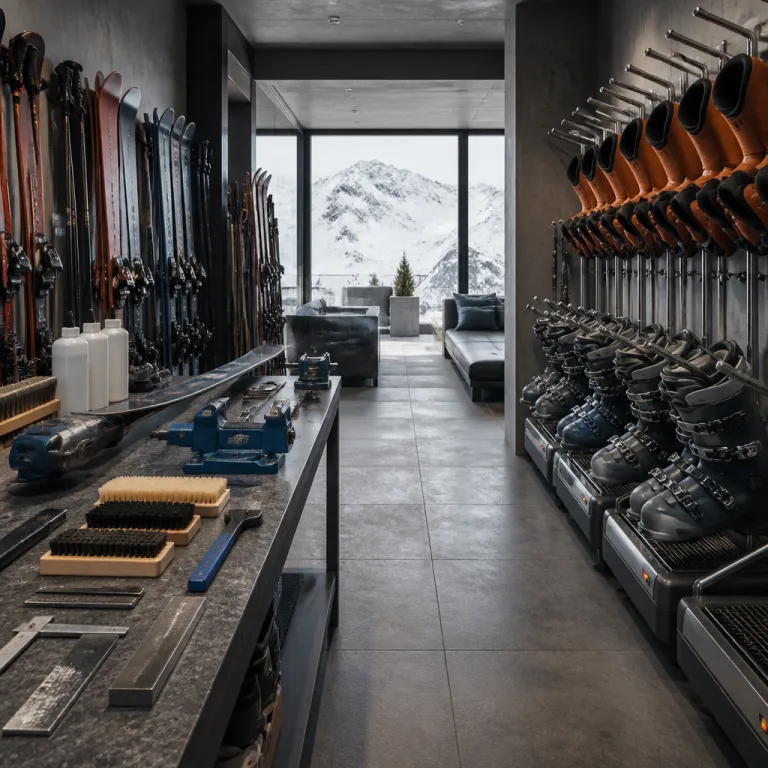
For premium travelers, the details matter as much as the headline facilities in each ski resort. Heated boot rooms, private transfers to ski lifts, and concierge teams who secure the best ski instructors or guides can transform a standard Austria ski trip into a seamless experience. When you evaluate resorts across Austria, look for properties that integrate wellness spaces, quiet lounges, and thoughtful in-room design, rather than focusing only on proximity to the ski area. In St. Anton, for example, a guest staying at a five-star hotel with a 1,000 square metre spa and dedicated ski valet will experience the mountain very differently from someone in a simple bed and breakfast, even if both are close to the same lift.
High-altitude resorts in Tyrol and the Arlberg often provide ski-in ski-out accommodation, which is particularly valuable for families or groups with mixed skiing levels. Guests can return to the resort throughout the day without complex logistics, making half board dining more attractive and practical. For inspiration on how luxury brands reframe mountain hierarchies and service expectations, you can study a detailed analysis of refined Alpine stays in Courchevel, which shows how a carefully curated property can sit alongside icons like Cheval Blanc and Les Airelles while still offering its own character, a pattern increasingly mirrored by boutique hotels in leading Austria skiing resorts.
Apres ski, gastronomy, and non skiing experiences in austria
Après-ski in Austria skiing resorts is not just about loud music and crowded terraces, especially at the luxury end of the market. In the Arlberg, St. Anton is famous for high-energy après-ski venues, yet nearby Lech and Zürs offer quieter lounges, champagne bars, and refined piano evenings for guests who prefer a calmer atmosphere. Kitzbühel and Saalbach Hinterglemm sit somewhere between these extremes, with both lively après-ski options and more discreet wine-focused bars.
Gastronomy has become a decisive factor when choosing between ski resorts in Austria, particularly for guests booking high-value ski holidays. Many properties in Tyrol now feature tasting menus, regional produce, and extensive wine lists, elevating half board from a simple convenience to a highlight of the stay. On-mountain restaurants across these ski areas increasingly offer sophisticated dishes, so you can enjoy long lunches on the snow without compromising on culinary standards, and regional tourism boards now highlight Gault&Millau or Michelin-recognised venues alongside classic mountain huts.
Non-skiing activities also shape the perception of the best ski resorts Austria can offer, especially for mixed groups. Spa complexes, winter hiking, cross-country ski trails, and cultural excursions to nearby towns ensure that non-skiers feel fully included in the trip. When you evaluate any ski resort, ask how easily you can balance time on the pistes with wellness, gastronomy, and local culture, because this mix often determines whether you will return to the same area for future Austria ski holidays. A typical premium itinerary might combine three days of guided skiing with one day focused on spa treatments, a horse-drawn sleigh ride, and a visit to a historic town centre.
Planning luxury ski holidays in austria: timing, sustainability, and booking strategy
Planning a premium stay in Austria skiing resorts starts with timing, because snow conditions and crowd levels vary significantly across the winter season. The peak season is January to February, offering optimal conditions. High-altitude ski areas in Tyrol and the Arlberg tend to hold snow longer into spring, while lower resorts around Austria rely more on advanced snowmaking to maintain quality pistes, as confirmed by resort technical reports and regional tourism statistics.
Luxury travelers increasingly consider sustainability when choosing a ski resort and ski area in Austria. Many Austrian ski destinations invest in energy-efficient ski lifts, renewable power for snow cannons, and public transport links that reduce car dependency, especially in Tyrol and Vorarlberg. When you compare offers, look for resorts that publish clear environmental data and work closely with local tourism boards, ski schools, and equipment rental shops to promote responsible skiing, such as encouraging rail travel from major cities or offering discounts for guests who arrive without a car.
From a booking perspective, securing your preferred accommodation and half board package early is essential in the most sought-after ski resorts such as St. Anton, Kitzbühel, and Saalbach Hinterglemm. Premium properties in these areas often sell out months in advance, particularly for peak weeks, so flexible dates can unlock the best ski options and more favourable rates. To maximise ROI on your ski holidays budget, align your chosen resort, ski area size, and service level with how much time you realistically plan to spend on the slopes, in the spa, and enjoying après-ski, and consider midweek arrivals or slightly off-peak weeks in January or March to balance value with snow reliability.
Key figures that define luxury austria skiing resorts
- Austria hosts around 440 ski resorts across its Alpine regions, giving travelers an unusually wide choice of ski resort styles, from intimate villages to major interconnected ski areas (data referenced from skiresort.info and Austrian tourism statistics, which aggregate resort and regional reports).
- The SkiWelt Wilder Kaiser – Brixental complex is recognised as Austria's largest interconnected ski area, which makes it a strong option for guests who value extensive linked pistes without changing accommodation during their ski holidays (data referenced from Austrian tourism information and official resort operators).
- Within SkiWelt, the total length of ski pistes reaches approximately 280 kilometres, providing enough varied slopes for both short luxury breaks and longer stays focused on mileage and exploration (data referenced from resort technical data and piste maps published by the lift company).
- The winter season in most Austria skiing resorts typically runs from December to April, with January and February forming the peak period for snow reliability and visitor numbers, which directly affects availability and pricing in high-end accommodation (data referenced from Austrian tourism boards and historical occupancy figures).
- Major ski areas such as the Arlberg, Saalbach Hinterglemm, and Kitzbühel have invested heavily in modern ski lifts and snowmaking, which helps maintain consistent skiing quality even during warmer spells and supports the long-term sustainability of premium ski tourism in the Alps (data referenced from regional tourism authorities and resort development reports).
FAQ about luxury austria skiing resorts
What is the largest ski area in austria for luxury travelers ?
SkiWelt Wilder Kaiser – Brixental is the largest interconnected ski area in Austria, and it offers a broad range of accommodation, from family-friendly lodgings to more upscale properties. For guests seeking both size and high service levels, the Arlberg and Saalbach Hinterglemm also rank among the best ski areas in the Alps. Your choice should depend on whether you prioritise sheer piste mileage, high-altitude snow, or a particular style of resort atmosphere.
When is the best time to ski in austria for premium stays ?
The peak season is January to February, offering optimal conditions. During this period, snow coverage is typically strongest across most ski areas, and the full network of ski lifts and pistes is usually open. Luxury travelers should book accommodation and half board packages well in advance for these weeks, especially in flagship resorts such as St. Anton, Kitzbühel, and Saalbach Hinterglemm.
Are there beginner friendly ski resorts in austria that still feel luxurious ?
Yes, many Austria skiing resorts combine beginner-friendly slopes with high-quality accommodation and services. Saalbach Hinterglemm, parts of the Arlberg such as Lech, and several villages in Tyrol offer gentle pistes, excellent ski schools, and refined lodging. When you evaluate a ski resort, look for wide blue runs near the village, modern ski lifts, and properties that provide flexible half board or full board options for families.
How far in advance should I book a luxury ski resort in austria ?
For peak season dates in leading ski resorts, booking six to nine months ahead is prudent, especially if you require specific room types or private chalets. High-demand areas such as St. Anton, Kitzbühel, and Saalbach Hinterglemm often reach full occupancy early, particularly for school holiday weeks. Shoulder season periods in December and March can offer more availability and attractive offers, while still providing excellent skiing in high-altitude ski areas.
Is austria a better choice than other european countries for luxury ski holidays ?
Austria competes strongly with France, Switzerland, and Italy by combining efficient ski lifts, extensive ski areas, and authentic village atmospheres at often more balanced price points. For many guests, the mix of reliable snow, polished yet relaxed service, and strong après-ski makes Austria skiing resorts one of the most appealing options in Europe. Ultimately, the right choice depends on whether you value vast high-altitude terrain, ultra-exclusive accommodation, or a blend of luxury and tradition, but Austria offers compelling possibilities in each category.