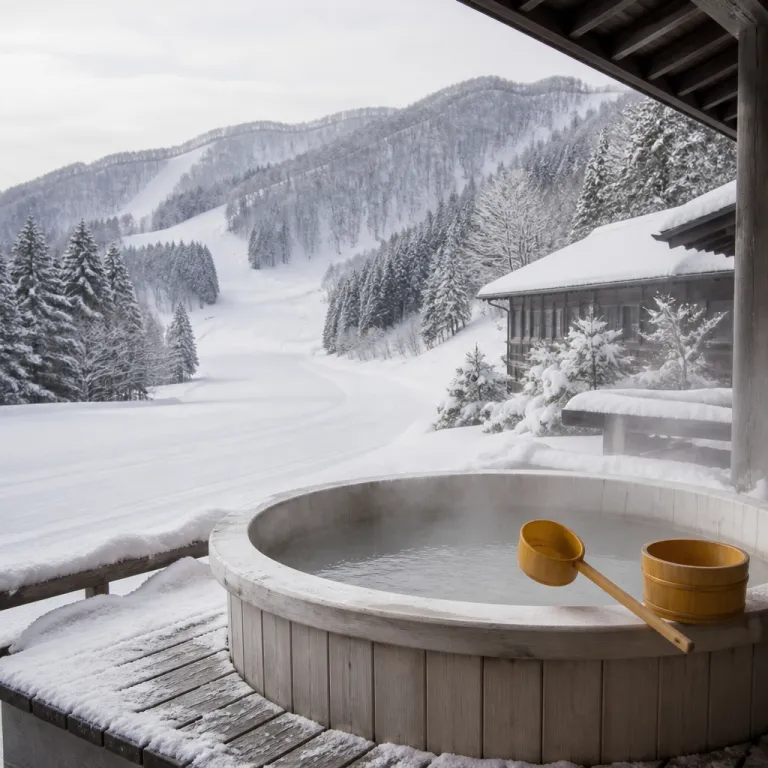
Why ski resorts in Japan captivate luxury travellers
Ski resorts in Japan combine deep snow, refined service, and serene landscapes. For a traveller used to European chalets, the contrast between traditional Japanese hospitality and cutting-edge lift systems feels quietly exhilarating. When you plan a stay at a premium ski resort in Japan, you are choosing a culture where precision, politeness, and respect for nature shape every detail.
The main appeal of ski resorts in Japan lies in their extraordinary powder snow, often called “Japow” by seasoned ski and snowboard guests. Japan receives consistent winter storms that blanket the mountains of Hokkaidō and Honshū, creating light powder that rewards both relaxed skiing and technical skiing and snowboarding on steeper slopes. Luxury travellers appreciate that many Japanese mountain areas limit crowds, so you can ski or snowboard long fall-line runs without constant lift queues.
High-end resorts in Japan such as Niseko, Hakuba, and Nozawa Onsen pair world-class skiing with polished accommodation and discreet service. A modern luxury booking website helps you filter each ski resort by slope difficulty, onsen access, and distance from Tokyo, turning a complex landscape of winter destinations into a clear, personalised guide. When you compare each ski resort in Japan side by side, you quickly see how different regions, from Japan’s Hokkaidō to central Nagano, shape your overall ski season experience.
Choosing between Hokkaidō and Honshū for your ski resort base
Hokkaidō is the name most travellers associate with the best ski resorts in Japan for powder snow. The island’s northern latitude and maritime weather patterns deliver frequent storms, so a ski resort in Japan’s Hokkaidō often offers some of the deepest snow on earth. If your priority is soft turns every morning and tree skiing that feels almost weightless, Hokkaidō resorts in Japan such as Niseko and Rusutsu Resort deserve serious attention.
On Honshū, the main island of Japan, the experience shifts towards dramatic alpine scenery and varied terrain. Areas like Nagano and Niigata host ski resorts where long groomed slopes, steep bowls, and traditional hot-spring villages sit side by side, giving you more cultural immersion between ski sessions. Travellers who want to combine skiing in Japan with temple visits, sake tastings, and easy rail access from Tokyo often prefer a Honshū-based ski resort itinerary.
Within Hokkaidō, Niseko and Niseko Village form a broad ski area with multiple resorts, extensive off-piste options, and a cosmopolitan après scene. On Honshū, Hakuba, Shiga Kogen, Myoko Kogen, Appi Kogen, Zao Onsen, and Nozawa Onsen each offer distinct personalities, from family-friendly ski slopes to advanced terrain ideal for skiing and snowboarding experts. If you are also considering refined winter stays beyond Asia, a comparison with a Middle East mountain destination such as a Lebanon ski resort escape for refined winter stays in the Middle East can clarify what makes ski resorts in Japan uniquely focused on powder, onsen, and subtle luxury.
Niseko, Hakuba, and the art of curating a premium stay
Niseko has become the global shorthand for ski Japan, and with reason. The Niseko ski resort area, including Niseko Village and neighbouring bases, offers extensive interconnected slopes, reliable powder snow, and a sophisticated mix of chalets, condominiums, and high-end lodges. For luxury travellers, the ability to ski from your door, book private guides, and finish each day in a steaming onsen defines the best ski experience in this part of Japan.
Hakuba, located in the Japanese Alps on Honshū, delivers a different style of ski resort stay. Here, multiple ski resorts share a single valley, so you can ski or snowboard varied slopes each day, from gentle beginner pistes to steep couloirs that appeal to advanced skiing and snowboarding guests. A premium booking platform lets you coordinate transfers, lift passes, and restaurant reservations across the Hakuba resorts, turning a complex valley into a seamless ski season base.
When you compare Niseko and Hakuba with other international destinations, the value of a specialist booking website becomes clear. A curated platform can, for example, help you weigh a Japan ski itinerary against a luxury-level stay in Central Oregon by explaining how to choose Mt. Bachelor ski resort lift tickets for a luxury-level stay in Central Oregon, then mapping those criteria to Niseko or Hakuba. As one mountain travel consultant notes, “Japan’s blend of hot springs, attentive service, and deep powder creates a calmer rhythm than many Western ski resorts,” a difference that a good guide can help you appreciate.
Honshū’s classic ski villages: Nozawa Onsen, Myoko, Shiga Kogen, and beyond
For travellers who want skiing in Japan to feel authentically Japanese, the historic villages of Honshū are compelling. Nozawa Onsen, Myoko Kogen, and Shiga Kogen combine traditional architecture, atmospheric streets, and natural hot springs with easy access to extensive ski slopes. Staying in these resorts in Japan allows you to move between ski runs and steaming onsen baths in minutes, which is ideal after a long day on powder snow.
Nozawa Onsen is famous for its network of public hot springs, where locals and visitors share simple wooden bathhouses fed by natural sources. The adjacent ski resort offers varied terrain, from gentle learning areas to long cruising pistes, making it suitable for mixed-ability groups who want both ski and snowboard options. Myoko Kogen and Shiga Kogen, by contrast, spread across multiple connected ski resorts, so a single pass can unlock dozens of kilometres of slopes and tree runs.
Further north, Appi Kogen in Iwate Prefecture stands out for its long, carefully groomed runs, including a longest run of about 5.5 km that rewards confident carving, according to the official Appi Kogen trail map. In Niigata, Naeba Ski Resort offers 16 trails and a vertical drop of roughly 889 m, figures reported in Naeba’s own technical data, linked by infrastructure that suits guests who value efficient lift systems and varied skiing and snowboarding terrain. Travellers who enjoy comparing mountain cultures sometimes pair a Japan ski trip with refined mountain escapes in Europe, using resources such as an Italian Alps ski resorts for refined mountain escapes guide to understand how Japanese resorts differ in layout, service style, and après-ski atmosphere.
Designing a luxury itinerary around snow, onsen, and access
Planning a high-end journey through ski resorts in Japan starts with timing. The ski season typically runs from December to March, with January and February bringing peak snowfall and the most reliable powder snow conditions. As one expert summary from the Japan National Tourism Organization explains, “January to February offers peak snowfall in many major ski regions,” which is when discerning guests tend to focus their travel.
Access is the next strategic decision, especially if you are flying into Tokyo and connecting by rail or domestic flight. Hokkaidō resorts such as Niseko and Rusutsu Resort usually require a flight to Sapporo followed by a transfer, while Honshū destinations like Hakuba, Nozawa Onsen, Shiga Kogen, Myoko Kogen, and Naeba Ski Resort can be reached by Shinkansen and bus. A sophisticated booking website will show precise transfer times, allowing you to balance travel duration against your desire for the best ski conditions in each region of Japan.
Luxury travellers often design itineraries that combine two or three ski resorts, for example starting with deep powder in a Japan Hokkaidō ski resort before moving to Nagano or Niigata for culture-rich villages and historic hot springs. One sample week-long plan might look like this: Day 1, arrive in Tokyo and connect to Sapporo; Day 2–4, ski Niseko with private guiding and evening onsen; Day 5, fly back to Tokyo and transfer by Shinkansen to Nagano; Day 6–7, explore Hakuba or Nozawa Onsen before returning to the capital. When you use a premium booking platform, you can align room categories, private transfers, and ski and snowboard services across all resorts in Japan, so the experience feels cohesive rather than fragmented.
How a premium booking website elevates your Japan ski experience
A luxury-focused booking website does more than list ski resorts in Japan; it interprets them. By combining verified data on snow records, lift infrastructure, and slope orientation with on-the-ground feedback, such a platform becomes a practical guide for demanding guests. You can compare each ski resort on criteria like average powder depth, onsen quality, and proximity to hot-spring villages, then match those metrics to your personal skiing or snowboarding style.
For example, a well-designed interface might let you filter for ski resorts that offer both ski and snowboard schools, extensive English-language support, and direct access to natural hot springs. It can highlight that Rusutsu Resort in Hokkaidō is among the island’s largest ski resorts, with 37 runs and 18 lifts as reported in the resort’s official course guide, which suits guests who want variety without changing bases. The same guide can flag that many Japanese ski resorts offer equipment rentals, confirming the statement from major resort operators that “Yes, most resorts provide rental services for skiing and snowboarding gear.”
Trustworthy platforms also integrate sustainability and technology, reflecting how Japan’s ski industry is adopting advanced snowmaking machines and eco-friendly resort practices. They may partner with local tourism boards, resort management companies, and equipment rental services to ensure that information about each ski resort in Japan remains current and accurate. For a traveller investing in a premium ski season holiday, this level of detail transforms skiing in Japan from a logistical challenge into an elegant, well-supported experience.
Key figures for luxury ski resorts in Japan
- Rusutsu Resort in Hokkaidō is recognised as one of the island’s largest ski resorts, offering 37 runs and 18 lifts, which provides ample variety for extended luxury stays (source: Rusutsu Resort official course and lift information published by Kamori Kanko).
- Naeba Ski Resort in Niigata features a vertical drop of approximately 889 m, giving advanced skiers sustained descents that rival many European alpine resorts (source: Naeba Ski Resort technical data published by Prince Hotels & Resorts).
- Appi Kogen Ski Resort in Iwate offers a longest run of about 5.5 km, making it particularly attractive for guests who enjoy long, uninterrupted carving on groomed slopes (source: Appi Kogen official trail map and course description).
- The typical ski season in Japan runs from December to March, with January and February identified as the period of peak snowfall, which is when luxury travellers most often secure their bookings (source: seasonal guidance from the Japan National Tourism Organization and regional resort calendars).
- Industry observations indicate increased international visitors, development of eco-friendly resorts, and growing integration of technology in ski facilities, trends that directly influence the design of premium booking platforms for ski resorts in Japan (source: summaries from Japanese regional tourism boards and national tourism statistics releases).
FAQ about luxury stays at ski resorts in Japan
What is the best time to plan a luxury ski trip to Japan ?
The most reliable period for deep powder snow at ski resorts in Japan is from January to February, when storms are frequent and temperatures remain consistently low. The broader ski season usually runs from December to March, but early and late season conditions can vary by region. Luxury travellers who prioritise the best ski conditions and quieter slopes often target late January for their main stay.
Are there beginner friendly ski resorts in Japan suitable for premium travellers ?
Many ski resorts in Japan, including Rusutsu Resort, Appi Kogen, and several Hakuba and Shiga Kogen areas, offer extensive beginner zones and English-speaking instructors. A luxury booking website can filter properties near gentle slopes and high-quality ski schools, which is ideal for families or mixed-ability groups. Major resort operators confirm that “Yes, many resorts offer beginner slopes and lessons,” so you can confidently plan a first-time skiing in Japan holiday without compromising comfort.
Do Japanese ski resorts provide high end equipment rentals for ski and snowboard guests ?
Most major ski resorts in Japan maintain modern rental shops with premium skis, snowboards, and boots, including models suited to powder snow and on-piste carving. Official resort information consistently notes that “Yes, most resorts provide rental services for skiing and snowboarding gear,” which reduces the need to travel with bulky equipment. Luxury travellers can often pre-reserve specific gear categories through a booking platform, ensuring a smooth arrival and immediate access to the slopes.
How far are the main ski regions from Tokyo for a short luxury break ?
Honshū resorts such as Hakuba, Nozawa Onsen, Shiga Kogen, Myoko Kogen, and Naeba Ski Resort are typically reachable from Tokyo in around 2 to 4 hours by Shinkansen and connecting bus. This makes them ideal for long-weekend ski Japan escapes where you want to maximise time on snow while enjoying refined accommodation. Hokkaidō destinations like Niseko usually require a domestic flight to Sapporo plus a transfer, which suits longer, more immersive ski season stays.
Should I book accommodation early for peak season at ski resorts in Japan ?
High-end rooms and chalets at the best ski resorts in Japan often sell out months in advance for the peak powder period. The reference guidance to “Book accommodations early during peak season” is especially relevant for Niseko, Hakuba, and Nozawa Onsen, where demand from international guests is strong. Using a specialised luxury booking website allows you to secure preferred room types, onsen access, and ski-in ski-out locations before availability tightens.