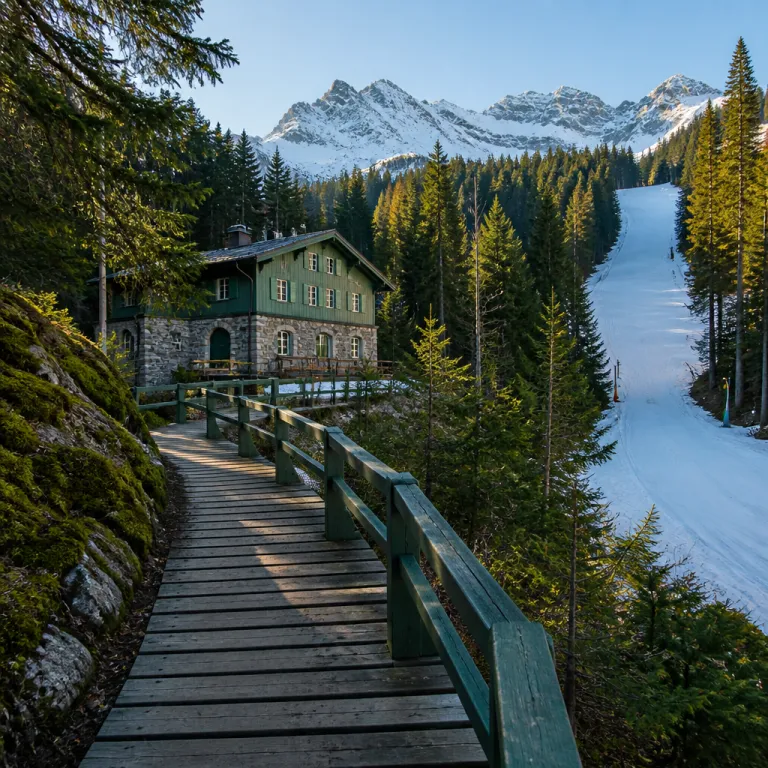
Choosing the right Swiss Alps ski resort for refined winter escapes
Stepping out of a quiet spa into crisp mountain air, hearing only the soft hum of a nearby gondola, is what many guests imagine when they picture a Swiss Alps ski resort. Choosing the right destination starts with clarifying how you like to ski and how you prefer to unwind. Luxury travellers often want direct access to varied ski areas while still enjoying privacy, attentive service, and a hotel that feels like a discreet mountain residence. In Switzerland, the most sought-after ski resorts balance extensive ski runs with a village atmosphere that feels intimate rather than overwhelming.
Across the Swiss Alps there are around 300 ski resorts offering close to 6,700 kilometres of slopes, according to Skiresort.info (Skiresort.info, 2024), so a curated booking website becomes essential to filter the best ski options. A premium platform should let you compare each ski resort by altitude, ski lift capacity, on-slope hotel locations, and the character of the surrounding Alps villages. When you evaluate these Swiss properties, focus on how many miles of pistes connect to your door, how quickly ski lifts carry you from breakfast to your first turns, and whether the overall layout matches your skiing style.
For many guests, the best ski experience in Switzerland means pairing world-class skiing with a strong sense of place. Look for a resort in Valais, Central Switzerland, or the Bernese Oberland where winter sports traditions shape daily life, from early morning piste grooming to late evening wine lists. A sophisticated booking site should highlight not only ski areas and ski runs, but also how each hotel interprets local culture through architecture, spa rituals, and dining. Descriptive image alt text such as “sunrise over a Swiss Alps ski resort in Valais with groomed pistes and luxury hotels” helps convey this atmosphere while supporting search visibility.
Iconic destinations in Zermatt, St. Moritz and beyond
Among all Swiss Alps ski resort choices, Zermatt stands out for its year-round skiing and Matterhorn views. This car-free resort in Valais offers high-altitude ski areas with reliable snow, extensive ski lifts, and long scenic runs that appeal to both strong skiers and relaxed cruisers. The Klein Matterhorn cable car rises to about 3,883 metres, giving access to one of Europe’s highest ski areas and a vertical drop of more than 2,000 metres back to the village. In Zermatt, many hotel terraces face the Alps directly, giving guests a sense of theatre as they watch winter sports unfold below.
Farther east, the Engadin valley hosts St. Moritz, where the Engadin–Moritz combination of frozen lakes, elegant promenades, and the Corviglia ski area defines alpine glamour. Here, a luxury-focused booking website should help you compare ski-in ski-out properties with historic palace-style hotels in town, all connected by efficient ski lifts and shuttle services. On Corviglia, for example, fast chairlifts and gondolas move thousands of skiers per hour, keeping queues short even in peak weeks. St. Moritz and the wider Engadin region are ideal for travellers who want a resort that blends skiing with high-end shopping, art events, and refined dining.
When you look across Europe, Switzerland competes with destinations such as the Dolomites, and a detailed comparison with refined alpine stays in Cortina d’Ampezzo can be helpful; a guide to a ski resort in Cortina d’Ampezzo for refined alpine stays shows how Italian style contrasts with Swiss precision. Within Switzerland itself, Davos Klosters, Crans-Montana, Saas-Fee, and the quieter Val d’Anniviers each offer distinct ski resort experiences, from vast interconnected ski runs to hidden valleys with a slower rhythm. A well-designed booking platform should surface these nuances, allowing you to filter by ski area size, altitude, and the overall character of each resort.
Reading the mountain: terrain, ski areas and lift networks
Understanding terrain is crucial when choosing any Swiss Alps ski resort for a luxury stay. The best ski areas for discerning guests combine long intermediate ski runs, challenging off-piste options, and gentle learning zones for families or less experienced skiers. In practice, that means studying piste maps, ski lift layouts, and how efficiently each resort moves guests around the mountain so you spend more time skiing and less time in transit.
In the Bernese Oberland, destinations such as Grindelwald offer dramatic north-face scenery with a wide ski area linked by modern gondolas and cog railways. The Eiger Express, for instance, cuts the journey from Grindelwald to the Eiger Glacier station to around 15 minutes, opening up long red and blue runs with minimal waiting. Davos Klosters, by contrast, spreads its ski terrain across several mountains, so a premium booking website should clearly explain transfer times between ski areas and how many miles of pistes you can realistically ski in a day. When platforms present this data transparently, the result is a smoother stay, because you know whether a chosen hotel sits beside a key lift or requires daily transfers.
Some travellers prefer compact Alps ski domains like Saas-Fee or Val d’Anniviers, where ski lifts rise directly from traditional villages and the ski resort feels cohesive. Others seek the scale of Crans-Montana or the Corviglia sector above St. Moritz, where ski runs fan out across broad sunny slopes ideal for long carving turns. For inspiration on how thoughtful renovations can elevate slope-side stays, look at this analysis of an elegant hotel near Heavenly with refined access to the slopes, then apply similar criteria when assessing Swiss properties, from ski room design to how spa areas frame mountain views.
Inside the stay: what defines a luxury hotel in the Swiss Alps
Once you have chosen a Swiss Alps ski resort, the next decision is where to sleep. A true luxury hotel in Switzerland should offer ski concierge services, heated equipment rooms, and seamless coordination with ski schools and guides. For guests, the aim is to step from spa to slopes with minimal friction, while staff quietly handle logistics in the background, from lift pass delivery to last-minute boot adjustments.
Look for Swiss resorts where suites face the Alps, spa facilities use local ingredients, and restaurants highlight regional produce from Valais or Central Switzerland. In Zermatt, St. Moritz, and Crans-Montana, many high-end hotels now integrate wellness concepts such as altitude-adapted treatments and nutrition plans tailored to intense skiing days. The result is a stay where winter sports, recovery, and gastronomy feel like parts of a single, coherent experience rather than separate activities, and where even non-skiers feel immersed in the mountain setting.
When comparing options on a premium booking website, pay attention to how each ski resort property describes its access to ski lifts and ski runs. A hotel that sits a few hundred metres from the main ski area may still feel ski-in ski-out if it offers private shuttles, ski valets, and on-demand transfers. For a sense of how thoughtful refurbishments can transform guest experience, examine this detailed review of how a Banff icon evolved into a refined alpine retreat; the article on what a major renovation actually changed at a mountain hotel illustrates the level of detail you should expect in property descriptions, from room layouts to upgraded wellness spaces.
Timing, logistics and booking strategy for peak Swiss ski season
Luxury travellers targeting a Swiss Alps ski resort during peak winter should think in terms of seasons rather than dates. In Switzerland, most high-altitude ski resorts operate from early December to late April, with the busiest weeks concentrated around mid-winter holidays. According to local tourism boards, “December to April offers optimal conditions,” especially in destinations with glaciers or higher summits.
Because demand for the best ski properties in Zermatt, St. Moritz, Davos Klosters, and Grindelwald is intense, booking six to nine months ahead is prudent for prime rooms. A sophisticated booking website can show live availability across multiple ski resorts, allowing you to compare ski area statistics, ski lift capacity, and room categories in real time. When platforms integrate weather and snow depth data, the result is a more informed choice, especially if you are deciding between Valais, the Bernese Oberland, or Central Switzerland and want to match conditions to your preferred travel window.
Logistics matter as much as the resort itself, particularly if you are crossing Europe to reach Swiss hubs such as Zurich or Geneva. Many high-end hotels arrange private transfers by car or rail, reducing travel stress and giving guests more time on the ski runs. Before confirming any ski resort, check transfer times in miles or kilometres, luggage policies for ski equipment, and whether your arrival aligns with lift opening hours so that your first day on the mountain feels relaxed rather than rushed.
Sustainability, off piste trends and the future of luxury ski resorts
Modern guests choosing a Swiss Alps ski resort increasingly ask how their stay affects the mountain environment. Across Switzerland, many ski resorts invest in advanced snowmaking systems, energy-efficient ski lifts, and careful grooming to reduce impact while maintaining excellent skiing. These efforts align with a broader shift toward sustainable tourism practices in the Alps and across Europe, where resorts measure energy use, water consumption, and emissions more closely.
Off-piste and backcountry skiing have grown rapidly, especially in regions like the Engadin, Valais, and the Bernese Oberland, where dramatic peaks rise directly above traditional villages. Luxury travellers now expect curated experiences that combine guided ski touring with safety briefings, avalanche education, and equipment checks. A responsible booking website should highlight which ski areas offer certified guides, controlled freeride zones, and clear information about risk management so that adventurous days remain as safe as possible.
Looking ahead, the most successful Swiss destinations will be those that blend innovation with heritage. Places such as Saas-Fee, Val d’Anniviers, Crans-Montana, and Davos Klosters already experiment with car-free zones, renewable energy, and year-round mountain activities beyond winter sports. For guests, the result is a richer connection to the Swiss Alps, where every ski area visit feels both indulgent and respectful of the landscape, and where luxury is defined as much by responsibility as by comfort.
Key figures for planning a Swiss Alps ski resort stay
- The Swiss Alps host around 300 ski resorts, offering one of the highest concentrations of ski areas in Europe according to Skiresort.info (Skiresort.info, 2024), which means strong choice but also the need for careful selection.
- Total ski slopes in Switzerland extend to approximately 6,700 kilometres, based on Skiresort.info data (Skiresort.info, 2024), so even a week-long stay in a single ski resort only samples a fraction of the available terrain.
- The highest ski resort altitude in the Swiss Alps reaches about 3,900 metres, again according to Skiresort.info (Skiresort.info, 2024), which provides excellent snow reliability but requires some guests to consider altitude acclimatisation.
- Peak season typically runs from December through April in most major ski areas, with January and February seeing the highest occupancy, so luxury travellers should secure preferred hotels and suites well in advance.
FAQ about luxury stays in Swiss Alps ski resorts
What is the best time to ski in the Swiss Alps for luxury travellers ?
For most guests seeking a premium Swiss Alps ski resort experience, the ideal window runs from mid-December to early April. Snow conditions in high-altitude ski areas such as Zermatt, St. Moritz, and Saas-Fee are typically reliable throughout this period. As local experts state, “December to April offers optimal conditions,” especially for travellers who value both snow quality and open facilities.
Are there beginner friendly luxury ski resorts in Switzerland ?
Yes, many high-end ski resorts in Switzerland cater to beginners while still offering refined hotels and services. Grindelwald in the Bernese Oberland, Crans-Montana in Valais, and parts of Davos Klosters provide gentle ski runs, excellent ski schools, and modern ski lifts. A good booking website will flag which ski areas have wide nursery slopes near the main resort centre and which hotels sit closest to beginner zones.
Is it expensive to stay in a Swiss Alps luxury ski resort ?
Switzerland is known for higher prices compared with many other European destinations, especially in iconic resort locations such as Zermatt and St. Moritz. However, rates vary widely between ski areas, with Val d’Anniviers and some Central Switzerland resorts offering more discreet luxury at lower nightly costs. As one reference notes, “Switzerland is known for higher prices compared to other countries,” so careful comparison on a specialist platform is worthwhile.
How far in advance should I book a high end hotel in the Swiss Alps ?
For peak winter sports weeks, booking six to nine months ahead is advisable, particularly in famous ski resorts like Zermatt, St. Moritz, and Davos Klosters. Shoulder periods in early December or late March can be secured closer to travel dates, but the best ski-in ski-out suites still sell out quickly. A specialised booking platform with real-time availability helps you react fast when preferred rooms appear and adjust dates if necessary.
Which regions are best for combining scenery, skiing and culture ?
Valais, the Engadin, the Bernese Oberland, and Central Switzerland each offer a distinct blend of dramatic Alps scenery, extensive ski runs, and strong local culture. Zermatt and Saas-Fee in Valais excel for high-altitude skiing, while St. Moritz and the wider Engadin region stand out for glamorous events and lakeside promenades. Grindelwald, Davos Klosters, Crans-Montana, and Val d’Anniviers provide varied terrain with traditional villages that appeal to guests seeking authenticity alongside comfort and refined service.