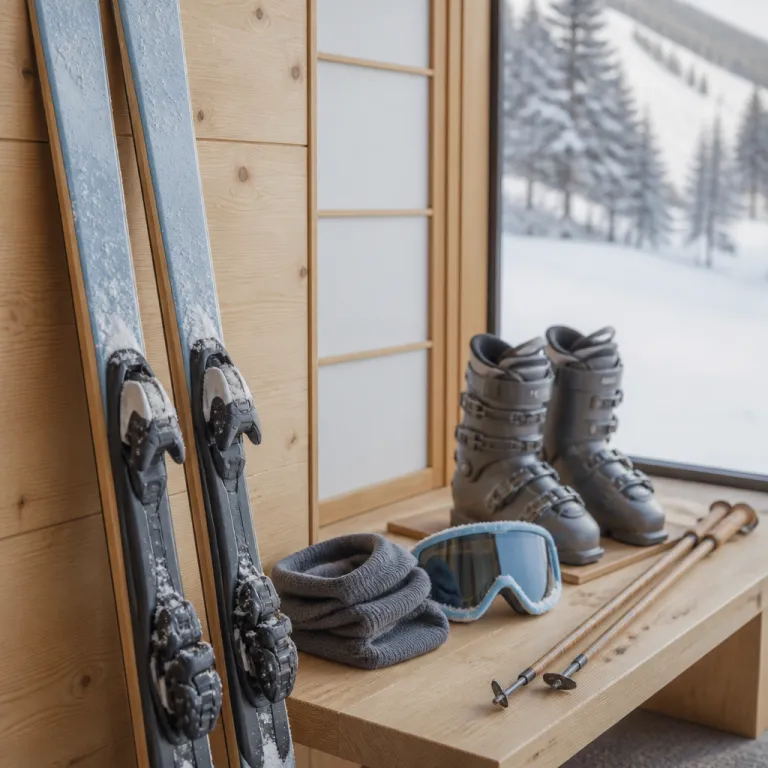
Why the best ski resorts japan are redefining luxury in Asia
The best ski resorts japan combine deep powder, refined service, and discreet luxury. In a single mountain enclave you can move from silent tree skiing to a private onsen suite, with every transfer, ski lift pass, and tasting menu handled by a dedicated concierge. For travelers comparing alpine destinations across Asia, Japan now rivals classic European addresses, especially for guests who value snow quality as much as design and privacy.
Japan offers more than 500 ski resorts spread across Hokkaido, Honshu, and smaller islands, yet only a select group truly qualifies as the best ski resorts japan for high end stays. These properties sit in prime ski areas with reliable snow, fast ski lifts, and direct access to long slopes that suit both confident skiing experts and careful beginners. When you evaluate any snow resort in Japan, focus on three pillars: mountain conditions, on site experiences such as onsen ski rituals, and the level of personalized service in the resort itself.
Luxury travelers often ask whether a japanese ski destination can match the intimacy of the Alps or the Rockies. In practice, the leading ski areas in Japan now offer Michelin level dining, private guides for backcountry skiing Japan, and multilingual ski schools that understand Western expectations. The most exclusive resorts Japan wide also integrate wellness into the ski day, with indoor outdoor onsen, spa treatments using local botanicals, and quiet lounges that overlook the mountain rather than the parking lot. A frequent guest in Hokkaido once described stepping from a silent night run straight into a cedar lined bathhouse as “the moment Japan stopped being a ski trip and became a winter ritual.”
Niseko United and Hokkaido: powder, privacy, and polished service
Niseko United on Hokkaido is often the first name mentioned when travelers search for the best ski resorts japan. This interconnected ski area on Mount Niseko Annupuri links four individual resorts, giving guests a broad choice of slopes, snow parks, and tree runs without ever removing their skis. For luxury travelers, the appeal lies in the combination of consistent powder snow, refined chalets, and a dining scene that blends Japanese kaiseki with international tasting menus.
Average annual snowfall in Niseko is commonly reported at around 14 to 15 meters according to figures frequently cited by the Japan Meteorological Agency and local tourism offices, which means that even mid season visitors experience the light powder that has made Japanese ski culture famous. The Niseko ski area offers long groomed runs for relaxed skiing Japan style, plus sidecountry terrain for guests who book certified guides and avalanche safety gear. High end properties here often provide ski in ski out access, heated gear rooms beside the ski lifts, and private onsen ski pools where you can soak while watching snow fall over the mountain.
Hokkaido also hosts Rusutsu Resort, a quieter alternative that still ranks among the best ski options in Asia Japan for families and couples. Rusutsu features roughly 37 runs and about 18 lifts, with a layout that spreads skiers across several peaks and keeps slopes uncrowded even during peak weeks. When comparing Niseko resorts Japan wide with Rusutsu or other Hokkaido snow resort choices, consider whether you prefer lively après ski villages or a more secluded stay focused on long days on the ski slopes and calm evenings in your suite. For readers planning a broader alpine journey, an elevated guide to the best ski resorts in the Alps for luxury stays can help you benchmark Japanese standards against European icons.
Hakuba Valley, Nagano, and Honshu’s classic alpine character
On Japan Honshu, Hakuba Valley in Nagano offers a very different interpretation of the best ski resorts japan. Here, ten distinct ski resorts share a dramatic alpine backdrop, with steep couloirs above and gentle valley runs below. The area hosted Olympic events during the 1998 Winter Games, and that heritage still shapes the ski culture, from race training lanes to efficient lift systems that move guests quickly between slopes.
Hakuba’s ski areas stretch across several mountain faces, which means you can chase the best ski conditions through the day, from sunny groomers to shaded powder stashes. Luxury properties in this region often provide private transfers between each ski area, so you can breakfast in one resort, ski a different snow park by midday, and finish with an onsen in yet another village. For guests who value both skiing and culture, Nagano and nearby Niigata also offer easy access to temples, sake breweries, and traditional ryokan stays that complement a modern ski resort experience.
Honshu’s northern ranges include other names that frequently appear in lists of the best ski resorts japan, such as Nozawa Onsen, Shiga Kogen, and Zao Onsen. Nozawa Onsen blends a historic hot spring town with a compact ski area, ideal for travelers who want to walk from narrow streets to the ski lifts in minutes. Shiga Kogen and Zao Onsen both offer extensive ski areas and reliable snow, with Zao’s famous “snow monsters” creating a surreal landscape that feels far removed from more conventional snow resort settings; for a sense of how Japanese standards compare with other Asian destinations, you might also review refined alpine stays in South Korea’s Olympic valley at Yongpyong ski resort.
Onsen culture, wellness, and the art of slowing down after skiing
One of the defining features of the best ski resorts japan is the integration of onsen culture into every stage of the ski day. After hours on the slopes, guests move almost ritualistically from ski boots to yukata robes, then step into steaming mineral pools that overlook the surrounding mountain area. This onsen ski rhythm turns a standard ski holiday into a restorative retreat, especially when combined with spa treatments and carefully prepared Japanese cuisine.
In resorts such as Nozawa Onsen, Zao Onsen, and several Hokkaido properties, natural hot springs sit within walking distance of the main ski lifts and snow park facilities. Luxury hotels and chalets often feature private onsen baths on terraces, allowing you to enjoy the silence of falling snow without leaving your suite. For many guests, this blend of skiing Japan style and traditional bathing rituals becomes the highlight of the trip, sometimes even more memorable than the best ski runs themselves.
Wellness focused travelers should look for ski resorts Japan wide that offer quiet relaxation lounges, low capacity spa areas, and nutrition conscious menus rather than only hearty après ski fare. Some high end ski resort properties now coordinate yoga or stretching sessions timed around the ski area operating hours, helping guests recover between demanding powder days. If you are planning a longer winter escape that mixes mountain time with poolside relaxation, it is worth exploring how a resort’s summer hiking trails, outdoor pools, and kids clubs can sustain premium pricing even when the ski infrastructure is resting.
How luxury booking platforms curate the best ski resorts japan
For travelers seeking the best ski resorts japan, a specialized luxury booking website can dramatically simplify the decision process. These platforms pre select ski resorts based on snow reliability, ski area size, and the quality of on site services such as ski schools, equipment rental, and fine dining. Behind the scenes, expert teams audit everything from ski lifts capacity to room soundproofing, ensuring that each resort meets the expectations of demanding international guests.
When evaluating a booking platform, look for transparent information about each ski area, including vertical drop, number of slopes, and typical snow conditions across the season. Serious operators will reference data such as the average annual snowfall in Niseko and the total number of ski resorts in Japan, using these figures to contextualize why certain properties are highlighted. Many also collaborate with local tourism boards, ski schools, and equipment rental shops to secure priority services, such as private guides for backcountry skiing or guaranteed access to premium ski equipment during peak weeks.
Luxury focused platforms increasingly emphasize personalization, allowing you to filter ski resorts Japan wide by preferences such as onsen access, family friendly snow park facilities, or proximity to cultural sites in Nagano, Niigata, or other Honshu regions. Some sites integrate dynamic packaging tools that combine flights, transfers, and ski passes, while others focus solely on curating the best ski and stay combinations in each mountain area. For travelers comparing Japan ski options with other regions in Asia Japan and beyond, these curated collections provide a reliable benchmark of quality and help ensure that every chosen snow resort aligns with both your skiing ambitions and your expectations of service.
Planning your stay: timing, terrain, and tailoring the experience
Choosing among the best ski resorts japan starts with timing your visit to match your skiing style. January to February offers the best snow conditions, which is ideal for powder seekers but also means higher demand for top tier ski resort suites and chalets. Travelers who prefer quieter slopes might target the early or late parts of the winter season, when the ski areas are calmer yet still offering ski experiences that satisfy most guests.
Terrain is the next critical factor, especially if your group includes both confident skiers and beginners. Niseko, Hakuba, and Shiga Kogen all provide extensive ski areas with varied slopes, from gentle learning zones near the base to steeper lines higher on the mountain. Families may prioritize resorts Japan wide that feature dedicated snow park zones, wide blue runs, and English speaking instructors, while expert skiers might focus on destinations known for tree skiing and off piste powder.
Tailoring the stay also means considering non skiing elements such as dining, wellness, and cultural immersion. Some Japanese ski resorts emphasize international cuisine and lively après ski scenes, while others lean into quiet evenings, kaiseki dinners, and traditional architecture that reflects local heritage. Whatever your preference, the best ski resorts japan will combine reliable snow, efficient ski lifts, and attentive service, creating a snow resort experience that feels both distinctly Japanese and effortlessly luxurious.
Key figures that shape luxury ski travel in Japan
- Average annual snowfall in Niseko is widely cited at about 14 to 15 meters, which explains why this Hokkaido ski area is consistently ranked among the best ski destinations for powder focused travelers.
- Japan hosts roughly 500 ski resorts nationwide based on industry estimates, yet only a fraction offer the level of service, onsen access, and fine dining that luxury travelers expect from the best ski resorts japan.
- The core winter season in major Japanese ski areas typically runs from late November to April, with January marking peak snowfall, so high end guests aiming for the deepest powder should prioritize mid winter dates.
- Resorts such as Rusutsu in Hokkaido operate on the order of 18 ski lifts and around 37 runs, a scale that allows luxury properties to offer crowd free skiing even during busy holiday periods.
FAQ: planning a luxury stay at the best ski resorts japan
What is the best time to ski in Japan ?
January to February offers the best snow conditions. During these weeks, Hokkaido and Honshu ski areas usually deliver the driest powder and the most reliable coverage on all main slopes. Travelers seeking quieter resorts may prefer early December or late March, when the snow resort atmosphere is calmer but still enjoyable.
Are there English speaking instructors at Japanese ski resorts ?
Are there English-speaking instructors at Japanese ski resorts? Yes, many resorts offer English-speaking instructors. In leading destinations such as Niseko, Hakuba, and Nozawa Onsen, ski schools routinely employ multilingual staff, which makes lessons and guiding straightforward for international guests.
Do Japanese ski resorts offer equipment rentals ?
Do Japanese ski resorts offer equipment rentals? Yes, most resorts provide equipment rental services. High end properties often partner with premium rental shops, allowing guests to pre book skis, snowboards, and safety gear that are delivered directly to their ski resort accommodation.
How far in advance should I book a luxury ski resort in Japan ?
For peak winter weeks, it is wise to secure your preferred ski resort at least six to nine months ahead. The best ski resorts japan have limited inventories of top category suites and chalets, which sell out quickly once international flights are confirmed. Shoulder season dates are more flexible, but early booking still helps secure the ideal combination of slopes access, onsen facilities, and dining options.
Is Japan suitable for both beginners and expert skiers seeking luxury stays ?
Japan is well suited to mixed ability groups, especially in large ski areas such as Niseko United, Hakuba Valley, and Shiga Kogen. These destinations combine gentle learning zones, intermediate cruisers, and advanced terrain, all supported by modern ski lifts and professional ski schools. Luxury properties in these regions are accustomed to tailoring experiences so that beginners, children, and expert skiers all feel equally well served.