Why the best wine cellar in a mountain hotel now matters as much as the slope
For a growing number of alpine travelers, the best wine cellar in a mountain hotel in the Alps now rivals ski in ski out access. Couples booking a luxury ski resort weigh the depth of the wine list, the seriousness of the sommelier, and the promise of intimate wine tasting experiences as carefully as they study piste maps and spa menus. When you compare hotels, the property that treats wine as a core part of its identity, not a side note to the restaurant, increasingly wins the reservation.
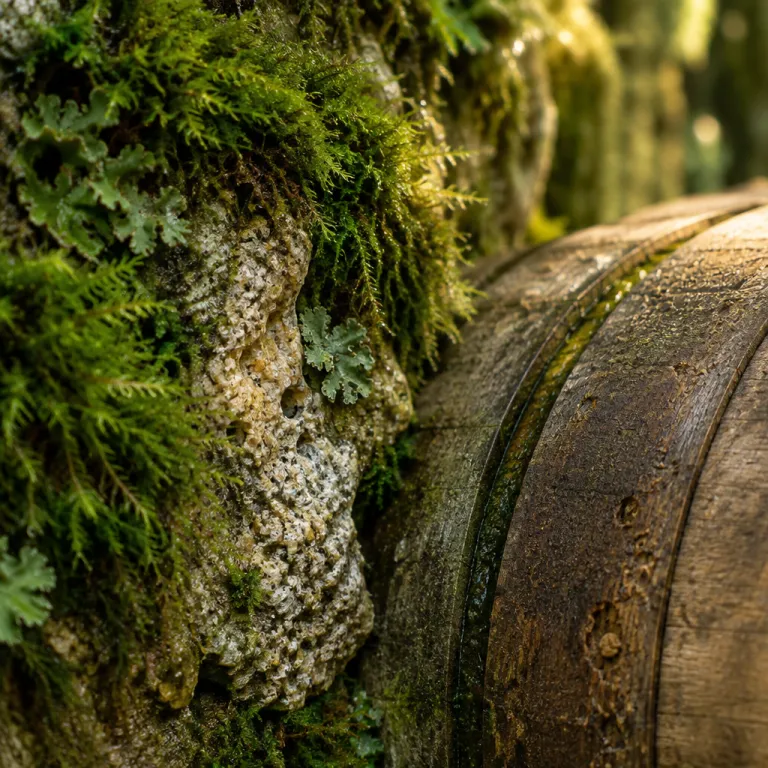
Altitude and cold air give these wine cellars a natural advantage, because stable temperatures and low light can be managed with less aggressive climate control than in a city hotel. Leading alpine properties such as Badrutt’s Palace in St. Moritz or the Chedi Andermatt still invest in precise humidity systems and vibration control, yet they work with the mountain rather than against it, carving cellars into rock or tucking wine barrels behind thick stone walls. That sense of place matters to guests, who feel the link between the alpine landscape outside and the swiss wine or Italian Alto Adige bottles resting quietly below.
Logistics are the hidden story behind every serious wine programme in switzerland, since getting rare bottles to a remote grand hotel at 1 800 metres is not simple. A palace level property might coordinate weekly deliveries from Zürich or Milan, timing shipments to avoid storms and protect fragile wine from temperature shocks on the pass. At the Chedi Andermatt, for example, the wine team manages a cellar of more than 6 000 bottles and works with refrigerated transport to keep temperatures stable from warehouse to rack. When you see a list with older swiss wine vintages, verticals from classic regions, and a thoughtful spread of half bottles for couples, you are looking at the result of years of relationships between the hotel, its suppliers, and its trusted producers.
How to recognise a serious alpine wine programme when you book
When you are choosing between one luxury mountain hotel and another, the wine list can quietly reveal more than any marketing line. A serious hotel will publish at least a representative selection of its wine cellar online, allowing you to gauge not just prices but the balance between local swiss wine, broader European classics, and a few global names. If the list reads like a trophy catalogue with only famous labels and no sense of place, the cellar may be grand in size but thin in soul.
Depth by the glass is one of the clearest signs that a wine bar or restaurant is run for guests rather than for show. Look for multiple options in different styles and regions, including alpine wines from Valais, Savoie, or Alto Adige, offered both in singular glasses and in curated flights for wine tasting. When a hotel offers older vintages by the glass using Coravin or similar systems, it signals confidence in its sommelier team and a desire to share the wine cellar rather than just store it.
Another marker is how the head chef and sommelier collaborate, especially in properties with Michelin stars or a single Michelin star restaurant. In the most wine focused mountain hotels in the Alps, the tasting menu is written with pairings in mind, and the chef will happily adjust dishes to match a special bottle you have brought or chosen from the wine cellars. Before you book, email the hotel and ask how the sommelier works with the kitchen, then compare the response with the tone of their fine dining pages and any detailed reviews such as the in depth Dolomites analysis on the Aman Rosa Alpina review.
Cellar dinners, spa evenings and the rise of the wine led alpine escape
Once, the cellar was a backstage space, visited only by staff and the occasional curious guest. Now, many of the most ambitious wine cellar mountain hotel Alps properties treat it as a stage, hosting intimate dinners among the bottles, with just a handful of guests seated at a long table between stone walls and natural materials. At Bürgenstock Resort above Lake Lucerne, for instance, private tastings in the historic cellar are limited to small groups, turning the room itself into part of the experience. For couples, these evenings can be the highlight of a ski week, a quiet counterpoint to the noise of the après ski bar upstairs.
Some swiss hotels pair these cellar dinners with spa rituals, inviting you to move from a late afternoon massage to a candlelit tasting beneath the restaurant. The contrast between hot steam, cold mountain air, and the cool calm of the wine cellar creates a rhythm that feels distinctly alpine, especially when the menu leans on local cheese, cured meats, and lake fish. When a spa is located in the heart of the property rather than in a basement, the transition from treatment rooms suites to cellar table feels natural and unhurried.
Programming matters here, because a generic tasting will not justify the premium rates of a luxury ski hotel. Look for properties that offer themed wine tasting events, such as verticals of swiss wine from a single producer, or comparative flights of Valais versus Savoie whites, guided by a michelin starred sommelier or a deeply trained wine director. At some Relais & Châteaux addresses, the head sommelier will even host “meet the winemaker” evenings where growers explain how they farm steep alpine terraces. For inspiration on how seriously some swiss mountain hotels now treat their wider experiences, consider the hiking concierge culture highlighted in the guide to five Swiss mountain hotels with expert trail concierges, then apply the same expectation of expertise to the cellar.
Regional alpine wines and the hotels that champion them
One of the quiet pleasures of choosing a mountain hotel for its cellar is the chance to drink alpine wines in their natural habitat. In switzerland, serious hotels now treat Valais and Vaud producers with the same respect once reserved only for Bordeaux or Burgundy, building dedicated sections of the wine list around swiss wine. At the Kulm Hotel St. Moritz, for example, the cellar team highlights petite arvine from multiple growers alongside humagne rouge and cornalin, signalling that the local slopes matter as much as famous French châteaux. When you see multiple vintages of petite arvine, humagne rouge, or cornalin, you are in a place that understands its own slopes as well as its imported labels.
Across the Alps, from Savoie to Alto Adige, the most wine conscious mountain hotels use their lists to tell regional stories. A grand hotel in the Dolomites might pour crisp schiava and structured lagrein by the glass, while a palace style property in the French Alps leans into jacquère and mondeuse, pairing them with local lake fish or game in the main restaurant. These choices are not decorative ; they shape how guests taste the landscape, turning each dinner into a quiet geography lesson.
For couples planning a trip, this regional focus can be a deciding factor when comparing hotels. Read the wine list carefully and count how many alpine wines appear not just in the cellar but in pairings and by the glass, then weigh that against the overall luxury positioning of the hotel. If you value a strong sense of place, a slightly smaller property with a passionate alpine wine programme may serve you better than a larger chain hotel with a generic international list, especially when combined with curated stays such as the refined alpine escapes highlighted near Salt Lake City on Ski Resort Stay.
Reading between the lines of a wine list before you reserve
Long before you arrive at check in, the wine list can tell you whether a mountain hotel takes its cellar seriously. Start with structure ; a thoughtful list will be organised by region and style, with clear notes on grape varieties, vintages, and sometimes altitude or soil, rather than a simple alphabetical dump of labels. When a property claims to be the best wine cellar mountain hotel in the Alps, this clarity and care on the page is your first test.
Next, look at pricing and progression, because a cellar that only caters to collectors may not serve a couple who wants variety over vanity. You should see a healthy spread of bottles at different price points, including approachable swiss wine and regional alpine options, alongside a few grand names for celebrations, all integrated into the same narrative. If every interesting bottle sits at the very top of the list, the hotel may be more focused on margin than on hospitality.
Finally, do not hesitate to email the hotel with specific questions about the wine cellar, the sommelier, and any planned wine tasting events during your stay. Ask whether the head chef and wine team can create a custom pairing menu, whether the restaurant offers older vintages by the glass, and how many staff members are trained to guide guests through the list. The tone and detail of the reply will often tell you more about the true culture of the cellar than any number of stars or awards on the website.
FAQ
How can I tell if a mountain hotel has a genuinely strong wine cellar ?
Check whether the hotel publishes at least part of its wine list online, then look for a mix of local alpine wines, classic regions, and a thoughtful by the glass selection. A serious programme will highlight swiss wine or other regional bottles, offer different price levels, and mention a dedicated sommelier or wine director. If the property also hosts regular wine tasting events or cellar dinners, that is a strong positive sign.
Are alpine wines worth prioritising over famous international labels ?
Alpine wines from regions such as Valais, Savoie, and Alto Adige can be outstanding, especially when enjoyed in the mountains where they are produced. They often pair better with local dishes and reflect the altitude, soils, and climate of the slopes you are skiing. A balanced list will offer both regional bottles and international classics, allowing you to explore without sacrificing familiarity.
What questions should I ask a hotel before booking for its wine programme ?
Ask whether the hotel has a dedicated sommelier, how many wines are available by the glass, and whether they offer structured wine tasting experiences or cellar dinners. It is also useful to ask how strongly the list features local swiss wine or other alpine regions, and whether the head chef collaborates closely with the wine team on pairings. The specificity of the answers will reveal how central the cellar is to the overall guest experience.
Does altitude affect how wine is stored and served in mountain hotels ?
Altitude brings cooler temperatures and lower air pressure, which can help with storage but requires careful control of humidity and temperature in the wine cellar. Serious hotels invest in proper insulation, climate systems, and sometimes rock carved cellars to stabilise conditions. At the table, some guests notice slightly different perceptions of aroma and texture at altitude, so skilled sommeliers adjust serving temperatures and glassware accordingly.
Is it worth choosing a hotel based mainly on its wine list ?
If wine is a central part of how you travel and dine, choosing a hotel for its cellar can be as rational as choosing for its spa or ski access. A strong wine programme often signals broader attention to detail in service, sourcing, and culinary standards. For many couples, the combination of a serious cellar, a well run restaurant, and good slopes nearby creates the most memorable kind of alpine stay.