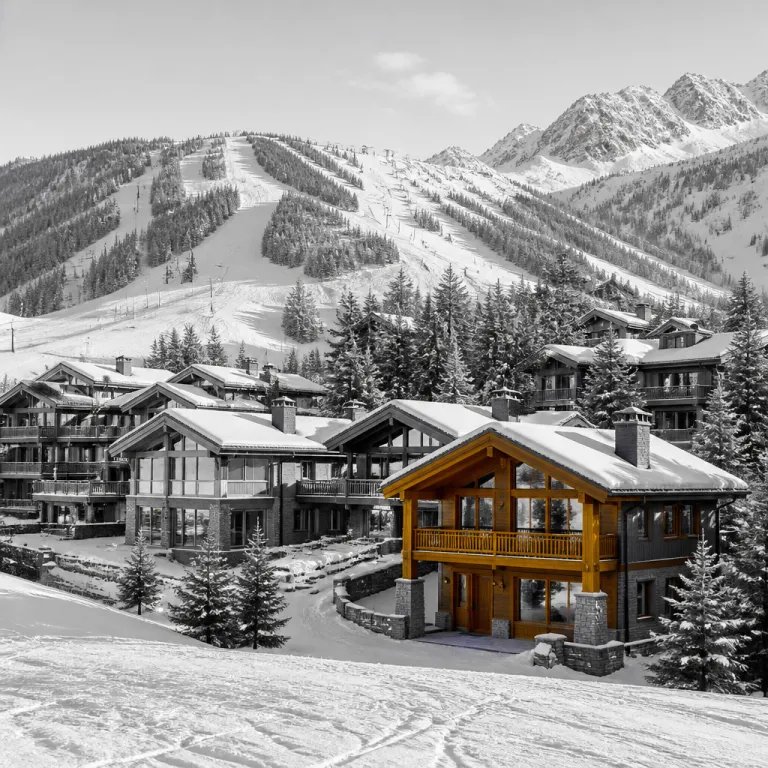
Iron Mountain ski resort sale and what it means for luxury guests
The Iron Mountain ski resort sale near Lake Tahoe has become a reference point for how investors think about future luxury stays. This former California ski area, historically described in marketing materials as roughly 65 acres of mountain property, now shapes how premium booking platforms curate nearby alternatives. For travellers planning a refined ski week, understanding this transaction helps you read between the lines of every mountain resort listing and anticipate how new capital might reshape the Carson Pass ski corridor.
Iron Mountain Ski Resort, once a compact mountain ski area off Highway 88, has been closed since the mid‑1990s and is currently listed through Colliers with permits and entitlements that have been presented as pre‑approved for high‑end condominium units. Because the resort opened decades ago and then the mountain closed after financial issues and permit violations, the site now attracts owners and funds who specialise in repositioning distressed ski property into upscale experiences. When you browse a luxury ski resort opened in the same region, you are indirectly seeing how this Iron Mountain ski resort sale influences pricing, service standards, and long‑term investment expectations for winter sports travellers.
The surrounding forest and Silver Fork basin terrain once supported classic winter sports, with lift towers, a compact ski slope network, and short lift lines that appealed to Sacramento families. Today, the Forest Service, the local district ranger, and county planners are central to any plan that might see an Iron Mountain–style project return to the map. As a guest, you may never stay on this specific property, yet the way investors underwrite its potential affects how neighbouring ski resort and mountain resort operators design suites, manage lift access, and price peak winter stays. As one local planner put it in a recent public meeting summary, “every serious proposal here has to prove it can deliver quiet, well‑managed luxury without overwhelming the forest.”
From abandoned ski area to investment case study for premium stays
The listing of Iron Mountain Ski Resort as a Lake Tahoe–area ski parcel at a reduced price of around 4 million USD, down from earlier guidance closer to 5.8 million USD in Colliers documentation, has turned the Iron Mountain ski resort sale into a case study for luxury ski investors. Colliers markets the site as a rare California ski redevelopment opportunity, with potential for condos, campgrounds, and RV units that could one day support a discreet high‑end ski area. For travellers, this means that every time a mountain resort in the region upgrades its spa or adds private lift service, it is partly responding to the competitive pressure of such redevelopment prospects and to the possibility of a new boutique ski destination entering the market.
Because the resort opened many years ago and then the mountain closed, the land now sits between nostalgia and possibility, framed by Forest Service regulations and local winter sports demand. Investors examine how nearby Kirkwood and other Carson Pass ski corridor destinations capture affluent guests who expect minimal lift lines, fast lift towers, and attentive on‑slope service. When you compare suites or chalets on a premium booking website, you are indirectly comparing how each resort interprets the same regional data that underpins the Iron Mountain ski resort sale, including occupancy trends, snow reliability, and the cost of modernising legacy infrastructure.
Luxury travellers increasingly track how new openings, such as the Park Gstaad and Four Seasons projects highlighted in this analysis of future penthouse residences and room inventory, influence pricing power and service levels. The Iron Mountain property, though currently dormant, sits in the same global conversation about how many units a ski resort should build to balance exclusivity with profitability. For guests, that translates into clearer expectations about room availability in early and late season, and about whether a California ski stay can match the intimacy of leading European destinations. A typical redevelopment timeline would involve acquisition, environmental review, Forest Service coordination, phased construction of lifts and condos, and then a soft opening that gradually ramps up room inventory.
Seasonality, pricing windows, and what Iron Mountain teaches luxury bookers
Looking closely at the Iron Mountain ski resort sale helps you understand why prices for high‑end ski stays fluctuate so sharply between midsummer and late autumn. Investors modelling this property examine how a future resort opened on the site might capture revenue not only in peak winter sports months, but also in August and September through hiking, cycling, and forest retreats. When you see dynamic pricing on a premium booking website, those numbers often reflect similar seasonality assumptions and detailed forecasts of how many guests will pay for shoulder‑season experiences.
Because the Iron Mountain ski area sits near other California ski destinations, analysts compare its potential revenue per available room with that of Kirkwood and with European benchmarks. Research into the price gap between Courchevel 1850 and the Dolomites, such as the data‑driven review on shifting Alpine pricing, informs how many luxury units a redeveloped Iron Mountain–style resort could sustain. For guests, this means that booking early for a prime ski week in January or February often secures better value than waiting until October or November, when inventory tightens and rates climb, especially once new projects in the corridor begin to open and attract additional demand.
Seasonality also affects operational decisions such as whether to keep a mountain closed outside the core ski sundown period or to run limited lift service for summer sightseeing. If a future Iron Mountain project operates lifts in July or August, it could smooth revenue and support higher year‑round staffing levels, which in turn improves concierge and spa service quality. When you evaluate a ski resort or mountain resort, check whether lift lines remain short in peak weeks and whether the ski slope network offers enough variety to justify premium nightly rates. One repeat guest quoted in regional coverage noted that “the best luxury mountains feel half‑full even on a holiday weekend,” a useful benchmark when you compare properties.
Due diligence for guests booking near an evolving investment zone
Travellers considering a luxury stay near the Iron Mountain ski resort sale corridor should approach booking with the same calm due diligence that investors apply. The first step is to understand the exact area, including road access via Highway 88 and Mormon Emigrant Trail, and to check whether any nearby mountain ski property is affected by construction or planning hearings. When a resort opened recently or is expanding units, short‑term disruption can coexist with long‑term upside in service and amenities, especially if the project follows a clear, publicly communicated redevelopment schedule.
Because the Iron Mountain property has a history of financial issues and permit violations, sophisticated guests pay attention to how current owners of neighbouring ski resort assets communicate with the Forest Service and the district ranger. Transparent updates about lift towers, new ski slope grading, or forest thinning for safety signal a mature governance culture that usually translates into better guest care. When a booking website highlights that a mountain resort works closely with public agencies, it is not marketing fluff; it is a proxy for operational resilience and for the likelihood that the resort can navigate the same regulatory landscape that shapes the Iron Mountain ski resort sale.
Before confirming a high‑value ski week, ask your chosen property about any planned changes inspired by the Iron Mountain ski resort sale, such as new lift lines, expanded spa units, or upgraded snowmaking. Request precise dates for any works in August, September, or October, and verify whether key facilities might be temporarily mountain closed. A professional concierge team will respond with clear information, while a vague answer may suggest that the resort is still adapting to the shifting investment landscape. Over time, this kind of guest‑level due diligence helps reward properties that manage growth carefully and discourages those that overpromise during redevelopment.
How premium booking platforms translate investment trends into guest value
Luxury and premium booking websites increasingly act as interpreters between complex investment stories like the Iron Mountain ski resort sale and the simple desire for a seamless ski holiday. Behind each polished listing, a team of analysts reviews property documents, checks Forest Service filings, and maps the ski area using tools such as skimap org to verify lift lines and terrain variety. This work ensures that when you choose a mountain resort, you are not surprised by outdated information or unrealistic promises about skiable acres, snowmaking coverage, or future condo phases.
For example, a platform may flag that a nearby California ski property is currently upgrading lift towers or adding new units in response to the Iron Mountain opportunity, which could briefly affect access but ultimately enhance the ski experience. It may also highlight that certain owners have secured permits and entitlements similar to those attached to the Iron Mountain Ski Resort property, signalling future capacity for high‑end condos or chalets. When you see detailed notes about ski slope orientation, Carson Pass ski corridor traffic, or ski sundown operating hours, you are seeing the translation of investment data into guest‑friendly language that helps you compare resorts more confidently.
Some platforms go further by curating editorial guides that compare regions and service levels, such as this refined guide to King Pine for luxury minded travellers. These guides help you benchmark whether a resort opened in New Hampshire, the Alps, or near Iron Mountain offers comparable lift service, spa quality, and on‑slope dining. As the Iron Mountain ski resort sale progresses and more information appears in Colliers materials, Sacramento Bee reporting, and Forest Service records, expect leading platforms to refine filters around forest proximity, winter sports diversity, and property scale, giving you more control over how investment trends shape your stay.
Strategic booking tips shaped by the Iron Mountain transaction
The Iron Mountain ski resort sale offers several practical lessons for guests who want to secure premium stays with strong value. First, treat every major mountain ski transaction as a signal about where capital, and therefore future service upgrades, will concentrate over the next booking cycles. When you see significant investment near a ski area, it often precedes improvements in lift service, snowmaking, and après‑ski experiences, even if the headline project itself remains in planning for several seasons.
Second, pay attention to how often a resort communicates about infrastructure such as lift towers, new ski slope development, or Forest Service partnerships, because these elements determine both safety and comfort. A property that openly references regional stories like the Iron Mountain Ski Resort case in the Sacramento Bee, and that explains how it differs, usually has a clearer long‑term strategy. Guests benefit from this clarity through more reliable opening dates, fewer unexpected mountain closed days, and better handling of peak lift lines during a busy ski week, especially when snow conditions are volatile.
Third, use the timing of investment moves to shape your booking calendar, favouring July or August for scouting trips and October or November for locking in prime winter sports dates before demand spikes. If a resort opened new units recently or is planning an expansion inspired by the Iron Mountain ski resort sale, early bookers often access promotional rates or value‑added service such as complimentary transfers. By aligning your booking habits with the investment rhythm of the Carson Pass ski corridor and similar regions, you turn complex property deals into tangible upgrades in your own travel experience and gain a clearer sense of which mountains are likely to feel exclusive five years from now.
Key figures shaping the Iron Mountain ski resort context
- The Iron Mountain Ski Resort property covers approximately 65 acres of mountain terrain, a compact size that favours intimate luxury redevelopment rather than mass‑market expansion, according to Colliers marketing materials and supporting county records.
- The listing price reduction from 5.8 million USD to around 4 million USD signals a more realistic alignment with regional California ski land values, which investors interpret as an invitation to move from speculation to concrete planning and to begin detailed feasibility studies.
- The site has been closed since the mid‑1990s, meaning that any future resort opened there will require full modernisation of lift towers, snowmaking, and guest facilities to meet current winter sports expectations and to satisfy Forest Service and district ranger oversight.
- Permits and entitlements for condominium units, described in marketing summaries as pre‑approved, significantly shorten the period between acquisition and potential opening, which is a key factor for investors seeking faster ROI and for guests hoping to see new luxury options within a predictable timeframe.
FAQ about the Iron Mountain ski resort sale and luxury bookings
Why did Iron Mountain Ski Resort close?
According to the verified record, “Why did Iron Mountain Ski Resort close? Financial issues and permit violations.” This combination of operational and regulatory problems led to the mountain closed status that persists today, and any future owner must address both aspects before reopening, as reflected in Forest Service and county planning files.
What are the redevelopment possibilities for the Iron Mountain property?
The official guidance states, “What are the redevelopment possibilities? Condos, campgrounds, RV spaces.” For luxury travellers, the most relevant scenario involves high‑end condominium units integrated with a carefully planned ski area and year‑round forest activities, potentially delivered in phases that add lifts, spa facilities, and on‑slope dining over several seasons.
Is the Iron Mountain ski resort sale likely to affect current bookings nearby?
In the short term, the Iron Mountain ski resort sale mainly influences investor sentiment rather than day‑to‑day operations at neighbouring ski resort properties. Guests should simply check road conditions, verify property access, and ask whether any construction related to new units or lift lines is planned during their chosen week, especially if local news or Sacramento Bee coverage mentions active building permits.
How should I evaluate a luxury ski resort in the same area?
Focus on transparent communication about Forest Service relations, infrastructure investment, and long‑term planning, especially in the Carson Pass ski corridor. A resort that clearly explains how it differs from the Iron Mountain history, and that shares concrete plans for lift service and winter sports facilities, is usually a safer premium choice and more likely to deliver the quiet, well‑managed experience investors now target.
Where can I find reliable information about the Iron Mountain listing?
For factual information, consult the Colliers marketing materials, coverage in the Sacramento Bee, and public records from the relevant district ranger and Forest Service offices. These sources provide the most accurate picture of the property, its permits, and its potential impact on the surrounding mountain resort ecosystem, and they are the same references many premium booking platforms quietly rely on.