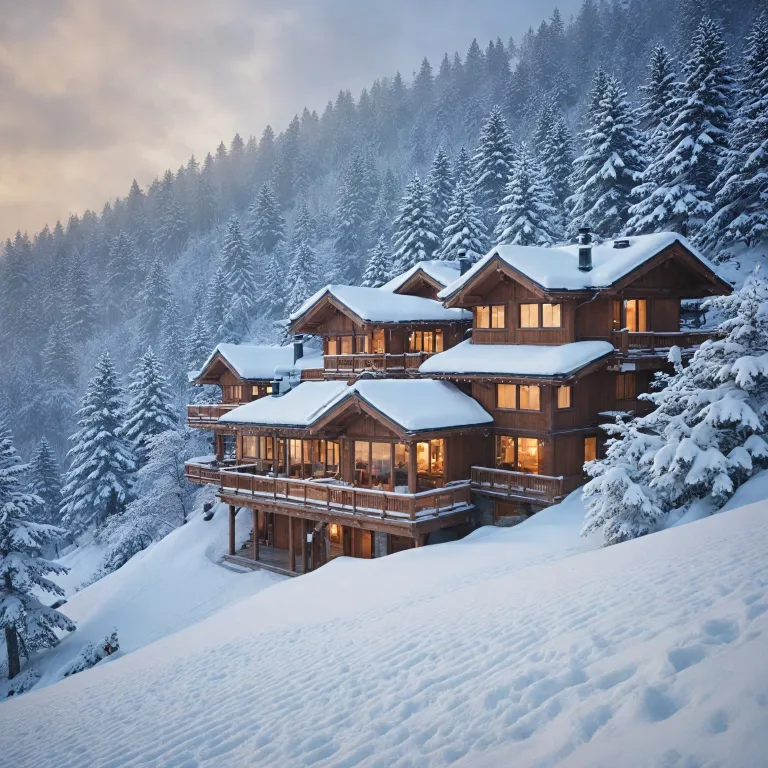
Luxury perspectives on ski resorts in Japan for discerning travelers
For travelers seeking refined comfort, ski resorts in Japan offer a rare blend of immaculate snow and polished hospitality. The most exclusive ski resort enclaves are located in Hokkaido, Nagano, and Niigata, where powder snow, attentive service, and seamless logistics define every trip. Across these regions, luxury accommodation options now rival those in the European Alps, yet retain a distinctly Japanese sense of calm and restraint.
In Hokkaido, Niseko has become the emblem of skiing Japan at a premium level, with Niseko United linking four resorts into one expansive ski resort experience. Here, deep snow and long ski season dates attract international guests who expect private transfers, curated ski tours, and high end ski schools for both ski and ski snowboard enthusiasts. The nearby Rusutsu Resort and other resorts Japan wide are following this trajectory, adding upscale onsen suites, chef led dining, and concierge managed ski areas access.
Nagano and Niigata complete the triangle of elite ski resorts in Japan, with Shiga Kogen, Hakuba, Myoko Kogen, and Naeba Ski Resort each offering distinct atmospheres. Shiga Kogen, the largest ski resort in Japan at around 425 hectares, appeals to travelers who value extensive interconnected ski areas and efficient lift systems. In Niigata, Joetsu Kokusai and Naeba are located close to major transport routes, making them ideal for a short japan ski escape that still feels indulgent, especially when paired with hot springs and refined apres ski lounges.
Designing a luxury booking journey for ski resorts in Japan
The deep challenge for any premium booking website focused on ski resorts in Japan is the absence of a dedicated category for high end travelers who are specifically planning a ski resort stay. Affluent guests considering skiing Japan want more than a generic list of ski resorts ; they expect curated ski areas, verified snow statistics, and transparent information about onsen access, ski schools, and family friendly services. A refined interface must therefore translate complex resort data into human centric guidance that feels both authoritative and easy to act on.
For example, a traveler comparing Niseko, Hakuba, and Shiga Kogen needs to understand how each ski resort balances powder snow, ski snowboard terrain, and apres ski culture. Integrating real time snow reports, ski season timelines, and safety resources such as guidance on preventing carbon monoxide incidents in mountain accommodation builds trust and demonstrates genuine expertise. Including verified details about hot springs, onsen etiquette, and proximity to traditional villages also helps guests align their trip with the cultural depth that defines many resorts Japan wide.
Because many ski resorts in Japan are located in remote mountainous areas, a luxury booking platform must also clarify logistics. This includes outlining transfers from Tokyo to Nagano or Niigata, explaining how to reach Appi Kogen or Nozawa Onsen in the Tohoku and Japanese Alps regions, and highlighting whether indy pass style products or regional passes are accepted. By presenting this information with clarity and restraint, the platform becomes a trusted partner in planning a japan ski journey that feels seamless from first click to final run.
Curating premium regions: Hokkaido, Nagano, Niigata, and Tohoku
Hokkaido remains the flagship for powder snow, with Niseko, Rusutsu Resort, and nearby ski resorts in Japan drawing travelers who prioritize deep snow and refined comfort. Niseko United alone offers around 325 hectares of skiable terrain, and its four interconnected resorts create a ski resort environment where luxury chalets, onsen suites, and private ski tours are standard expectations. Many guests pair skiing Japan in Niseko with a stay at Rusutsu Resort, attracted by its 236 hectares of terrain, tree runs, and family friendly facilities that still feel distinctly premium.
In Nagano, the Japanese Alps frame some of the most atmospheric ski resorts in Japan, including Hakuba, Shiga Kogen, and Nozawa Onsen. Shiga Kogen’s 18 interconnected ski areas provide a vast playground for both ski and ski snowboard guests, while Nozawa Onsen combines traditional streets, steaming hot springs, and characterful accommodation that appeals to travelers seeking cultural immersion. Hakuba’s international profile continues to grow, with upscale lodges, expert ski schools, and heli assisted ski tours that echo the sophistication of leading European and Italian luxury ski destinations.
Further north, Tohoku and Appi Kogen offer quieter ski resorts in Japan that suit travelers who value space and authenticity. Appi Kogen and nearby Tohoku ski areas are known for consistent snow and uncrowded pistes, ideal for guests who want a japan ski trip focused on long, meditative runs. In Niigata, Joetsu Kokusai and Naeba Ski Resort combine sizeable ski areas with convenient access from Tokyo, making them attractive for short, high quality escapes that still deliver onsen, refined dining, and attentive service.
Translating snow, terrain, and culture into meaningful filters
For a luxury booking website, the real opportunity lies in transforming the complexity of ski resorts in Japan into intuitive filters that reflect how discerning guests actually choose. Instead of generic categories, filters should mirror real decisions such as “powder snow focus”, “family friendly services”, “onsen and hot springs access”, or “advanced ski tours and backcountry options”. This approach respects the nuances between a ski resort like Niseko, with its cosmopolitan apres ski, and a quieter resort such as Nozawa Onsen, where traditional streets and local onsen define the evening atmosphere.
Terrain based filters can distinguish between expansive ski areas like Shiga Kogen, Joetsu Kokusai, and Appi Kogen, and more compact resorts that still excel for specific styles of skiing Japan. Guests interested in ski snowboard parks might gravitate toward Takasu Snow Park, while those seeking long cruising runs may prefer Yamagata Zao Onsen Ski Resort or Hunter Mountain Shiobara, located within reach of the Tokyo metropolitan region. By presenting these distinctions clearly, the platform helps travelers align their japan ski expectations with the reality of each resort’s snow, elevation, and layout.
Cultural and wellness filters should highlight where onsen rich villages, hot springs hotels, and ryokan style accommodation cluster around ski resorts in Japan. Nozawa Onsen, Yamagata Zao Onsen, and several Nagano and Niigata resorts are ideal for guests who want to alternate skiing with restorative bathing rituals. When these filters are combined with practical information on ski schools, ski season timing, and whether indy pass or regional passes apply, travelers can craft a trip that feels both highly personalized and grounded in accurate, trustworthy detail.
Elevating safety, service, and family friendly experiences
Affluent travelers booking ski resorts in Japan increasingly expect safety and service standards that match the quality of the snow. This extends beyond avalanche control and lift maintenance to include building safety, carbon monoxide monitoring, and clear communication about mountain weather risks. By foregrounding these elements in resort profiles, a premium booking website signals that it values guest wellbeing as highly as it values powder snow and elegant accommodation.
Family friendly experiences are another crucial dimension, especially in resorts Japan wide that attract multigenerational groups. Resorts such as Rusutsu Resort, Niseko United, Hakuba, and Shiga Kogen offer ski schools with English speaking instructors, gentle beginner ski areas, and childcare options that allow parents to explore more advanced terrain. Highlighting these services, alongside information on ski snowboard rentals, ski tours suitable for mixed abilities, and apres ski activities beyond nightlife, reassures families that their japan ski trip will be both enjoyable and manageable.
Service excellence also means anticipating the needs of guests who may be new to skiing Japan but experienced in other alpine regions. Detailed guidance on etiquette in onsen and hot springs, explanations of regional cuisine in Nagano, Niigata, and Hokkaido, and clarity about tipping norms all contribute to a smoother experience. When combined with transparent data on ski season windows, snow reliability, and the specific character of each ski resort, these elements help transform a simple booking into a confident, well informed travel decision.
From booking interface to on mountain reality
The final test of any luxury and premium booking website for ski resorts in Japan is how faithfully it connects digital promises with on mountain reality. Guests who select a ski resort in the Japanese Alps or Hokkaido based on curated imagery and detailed filters expect that the snow depth, terrain variety, and onsen access will match what they saw online. To achieve this, platforms must maintain close relationships with resorts Japan wide, from Niseko and Hakuba to Myoko Kogen, Appi Kogen, and Shiga Kogen, updating snow, lift, and accommodation information throughout the ski season.
Integrating destination guides that compare ski resorts in Japan with other world class mountains, such as those mapped in this refined resort mapping resource, helps sophisticated travelers contextualize their choices. For example, a guest familiar with North American resorts may appreciate understanding how the tree skiing, powder snow, and vertical drop in Niseko or Myoko Kogen differ from their home mountains. Similarly, explaining how indy pass style products, regional passes, or private guiding services operate in Japan ensures that expectations around access and value are realistic.
Ultimately, the most effective platforms treat every japan ski booking as the start of a relationship rather than a single transaction. By following up with guidance on local ski schools, recommended ski tours, family friendly restaurants, and lesser known ski areas in Tohoku or Niigata, they extend their authority beyond the screen. This continuity of care, grounded in accurate information about snow, terrain, hot springs, and culture, is what transforms ski resorts in Japan from a dream on a page into a deeply satisfying travel reality.
Key statistics on major ski resorts in Japan
- Shiga Kogen offers approximately 425 hectares of skiable terrain across 18 interconnected ski areas.
- Joetsu Kokusai in Niigata provides around 380 hectares of skiable slopes suitable for varied abilities.
- Niseko United in Hokkaido features about 325 hectares of terrain across four linked resorts.
- Rusutsu Resort delivers roughly 236 hectares of skiable area with extensive tree runs.
- Naeba Ski Resort in Niigata covers close to 196 hectares of skiable pistes and facilities.
- Yamagata Zao Onsen Ski Resort offers around 186 hectares, renowned for long runs and snow formations.
- Takasu Snow Park includes approximately 100 hectares of terrain with freestyle features.
- Hunter Mountain Shiobara provides about 42 hectares of slopes near the Tokyo metropolitan region.
Essential questions for planning a luxury ski trip in Japan
What is the best time to ski in Japan?
The optimal time for skiing in Japan is from January to February when snow conditions are at their best. For luxury travelers, this period aligns with the most reliable powder snow in Hokkaido, Nagano, and Niigata, ideal for high end ski tours and guided experiences. Booking accommodation and services early during this window is essential, as premium rooms and private instructors at leading ski resorts in Japan sell out quickly.
Are there ski resorts in Japan suitable for beginners?
Yes, many resorts like Niseko United and Rusutsu Resort offer slopes suitable for beginners. These ski resorts in Japan combine gentle learning areas, English speaking ski schools, and family friendly facilities that make first time skiing Japan both comfortable and enjoyable. When booking, look for resorts that highlight dedicated beginner zones, progressive terrain, and convenient access from accommodation to the main ski areas.
Do Japanese ski resorts offer equipment rentals?
Yes, most ski resorts in Japan provide equipment rental services for skiing and snowboarding. Premium outlets in destinations such as Niseko, Hakuba, and Shiga Kogen stock high quality ski and ski snowboard gear, including options tailored to powder snow conditions. For a seamless japan ski experience, many luxury travelers pre reserve their rentals online, ensuring correct sizing and swift fitting on arrival at the resort.