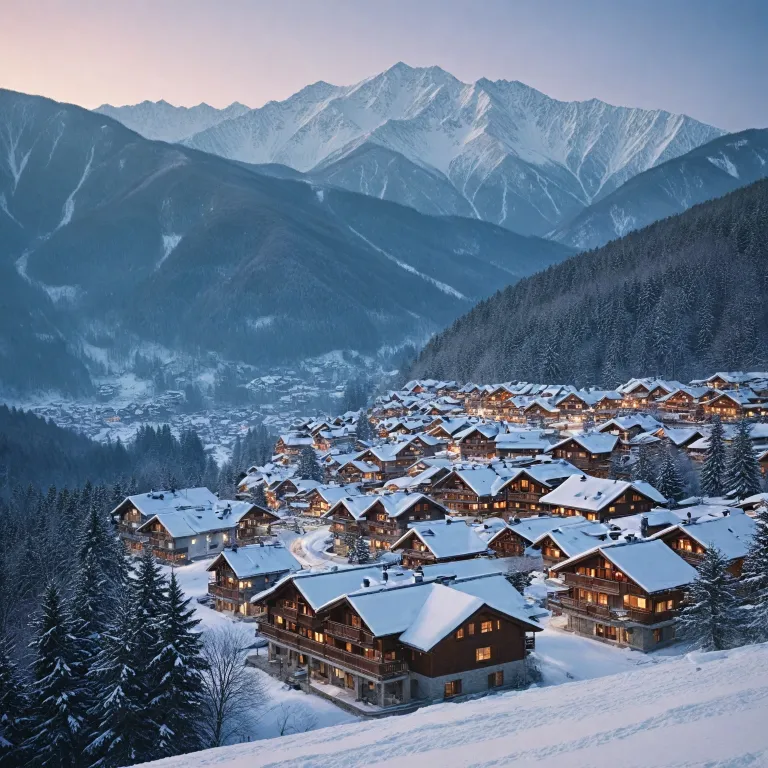
Why hakuba valley ski resorts captivate luxury travelers
Hakuba valley ski resorts combine deep snow with refined Japanese hospitality. In this mountain enclave of Nagano, each resort offers a distinct character yet shares the same commitment to premium comfort and attentive service. The result is a ski resort landscape where serious skiers and discerning travelers feel equally at home.
The hakuba valley consortium unites 10 ski resorts across 960 hectares of terrain, which is rare in Japan. With 135 lifts and an 8 kilometre longest run, the area rivals major European and North American ski resorts while retaining a serene alpine village atmosphere. For luxury guests, this scale means more choice in slopes, snow resort experiences, and après ski options without sacrificing exclusivity.
Hakuba itself sits in a broad valley framed by dramatic peaks, where average annual snowfall reaches around 11 metres. This consistent snow creates reliable powder conditions that appeal to intermediate expert skiers and skiers snowboarders seeking off piste lines. At the same time, carefully groomed courses and gentle slopes welcome every beginner intermediate guest who values comfort and safety.
High end properties in resort hakuba focus on spacious suites, on site hot springs, and discreet service. Many are positioned close to key lifts at hakuba happo and hakuba goryu, allowing guests to step from lobby to ski area in minutes. For travelers booking through a luxury platform, the challenge is not finding a good ski resort but selecting the right match among several exceptional hakuba ski options.
Understanding the terrain: matching slopes to your ski style
Choosing among hakuba valley ski resorts starts with understanding the terrain profile. The valley offers everything from gentle beginner intermediate slopes to steep couloirs that attract intermediate expert riders. A detailed trail map for each ski resort is essential when curating a premium itinerary that feels tailored rather than generic.
Hakuba happo is the historic heart of hakuba ski culture and hosted Olympic alpine events. Its long, sustained pitches suit confident skiers, yet lower mountain areas still welcome cautious skiers snowboarders. Luxury travelers often appreciate the direct access from upscale resort properties to these varied slopes, which reduces transfer time and maximizes time on snow.
Hakuba goryu and its linked area with neighbouring resorts create a broad snow resort playground. Here, families find wide, family friendly runs, while park enthusiasts enjoy dedicated terrain park features. When booking through a premium platform, look for clear descriptions of which courses best suit your level, whether you are a beginner intermediate guest or a strong intermediate expert.
Further along the valley, hakuba cortina is renowned for deep powder and tree skiing. On heavy snow days, this resort hakuba area becomes a magnet for advanced skiers snowboarders chasing fresh lines. A sophisticated booking website should highlight how snow conditions, aspect, and elevation differ between resorts, helping you decide whether to focus on groomed slopes, powder stashes, or a balanced mix across the entire hakuba valley.
Lift passes, epic partnerships, and strategic season planning
One of the defining advantages of hakuba valley ski resorts is the unified lift pass system. The hakuba valley day pass grants access to all 10 resorts, allowing you to chase the best snow and slopes each day. For luxury travelers, this flexibility is invaluable, especially when combined with private transfers or chauffeured shuttles arranged through a premium booking website.
International guests increasingly use the Epic Pass to integrate hakuba into wider winter sports travel plans. The epic pass and its regional counterpart, often referred to as pass epic, allow skiers to combine time in Japan with North American or European ski resorts. When planning your season, verify how the pass hakuba benefits apply across each ski resort in the valley and how blackout dates intersect with your preferred travel window.
Peak season in hakuba typically runs from January to February, when snow depths and powder quality are at their best. During this season, high end rooms in resort hakuba properties near hakuba happo and hakuba goryu sell out quickly. A sophisticated booking platform should flag these pressure points, suggest alternative dates within the broader season, and highlight quieter midweek periods that still offer excellent snow.
Because hakuba sits in Nagano, access from Tokyo via Shinkansen and bus is straightforward, which encourages shorter, high value trips. Luxury guests often combine several hakuba valley ski resorts in one stay, using the hakuba valley pass to sample different areas. A well designed site will present clear pass comparisons, transparent pricing, and guidance on which combination best suits families, intermediate expert skiers, or park focused skiers snowboarders.
Designing a luxury stay: lodging, hot springs, and family friendly comfort
For travelers evaluating hakuba valley ski resorts on a premium booking website, lodging quality is as important as snow quality. Many properties in resort hakuba blend contemporary design with Japanese elements such as tatami rooms and onsen style hot springs. This combination creates a restorative counterpoint to demanding days on the mountain.
In hakuba, hot springs are more than an amenity ; they are a cultural ritual. After exploring the slopes of hakuba happo or the tree runs of hakuba cortina, soaking in mineral rich water eases muscles and deepens the sense of place. Luxury platforms should clearly indicate which ski resort accommodations offer private onsen, which provide shared baths, and how these facilities integrate with spa and wellness services.
Families assessing hakuba valley ski resorts often prioritise proximity to gentle slopes and reliable childcare. Properties near the lower slopes of hakuba goryu and other family friendly areas typically offer ski in ski out access or short shuttle links. A refined booking interface should highlight room configurations, interconnecting suites, and services tailored to beginner intermediate skiers, from ski school partnerships to equipment rental delivery.
Dining is another differentiator in resort hakuba, where guests can move from kaiseki dinners to relaxed izakaya evenings. Curated content should connect each ski resort area with its standout restaurants, both on mountain and in the valley. By presenting these details alongside trail map links and snow resort overviews, a luxury site helps guests visualise how each day and evening in hakuba will unfold with minimal friction.
Safety, guidance, and the role of expert content in bookings
As hakuba valley ski resorts attract more international guests, safety information becomes a core element of any trustworthy booking platform. Off piste powder around hakuba cortina or upper hakuba happo can be demanding, especially for skiers snowboarders unfamiliar with Japanese snowpack. High quality content should therefore address avalanche awareness, guided touring options, and the importance of staying within patrolled ski resort boundaries when appropriate.
Many luxury travelers now expect editorial style guidance rather than simple listings. Articles on topics such as how avalanche safety shapes luxury bookings, similar to insights found in specialised safety focused resort coverage, help contextualise risk and reward. For hakuba, this means explaining how patrol teams manage slopes, how trail map markings differ between resorts, and when to hire a guide for intermediate expert terrain.
Trust also depends on transparent communication about weather, snow, and access in Nagano and the wider Japan travel network. A premium site should integrate live snow resort updates, lift status, and shuttle schedules between hakuba valley ski resorts. Clear messaging reassures both beginner intermediate guests and seasoned skiers that logistics will not undermine their time on the mountain.
Finally, expert Q&A content adds authority and supports informed decisions. For example, “The ski season typically runs from late November to early May, with peak conditions from January to February.” and “Yes, several resorts offer ski and snowboard lessons for beginners, including both group and private sessions.” and “You can take the Shinkansen (bullet train) from Tokyo to Nagano, followed by a bus to Hakuba Valley.” and “Yes, some resorts offer night skiing; it's advisable to check specific resort schedules for availability.” and “Yes, activities such as snowshoeing, hot springs (onsen), and cultural tours are available for non-skiers.” When such verified information appears alongside curated resort hakuba recommendations, it elevates both credibility and guest confidence.
Solving the “no category for me” problem in luxury ski booking
Many luxury and premium booking websites still treat hakuba valley ski resorts as a single generic category. For a traveler who is specifically looking to book a ski resort, this lack of nuance can be frustrating. The solution lies in segmenting hakuba ski options by experience type rather than only by star rating or location.
One effective approach is to create micro categories within resort hakuba, such as powder focused, family friendly, park oriented, or wellness centric. A guest who prioritises deep snow and tree runs might be guided toward hakuba cortina and advanced areas of hakuba happo. Meanwhile, a family seeking gentle slopes and convenient services could be matched with properties near hakuba goryu and other beginner intermediate zones.
Another layer of refinement involves mapping guest profiles to terrain and services across all hakuba valley ski resorts. Intermediate expert skiers may want quick access to steeper slopes and off piste routes, while cautious skiers snowboarders prefer wide groomers and clear trail map signage. By asking a few targeted questions during the booking flow, a platform can recommend specific ski resorts, passes, and even ideal season dates.
Finally, integrating filters for hot springs access, proximity to ski school, and distance to park features transforms a simple list of resorts into a curated hakuba experience. This addresses the deep subject of “no specific category for me” by making each hakuba valley area feel personally relevant. In a competitive Japan travel market, such thoughtful categorisation helps hakuba stand out as both a world class ski resort destination and a model for guest centric digital design.
Key statistics for hakuba valley ski resorts
- Total skiable terrain across hakuba valley ski resorts is approximately 960 hectares.
- The combined ski resort network operates around 135 lifts serving the valley.
- The longest continuous run in hakuba measures about 8 kilometres.
- Average annual snowfall in the hakuba area reaches roughly 11 metres.
- Hakuba valley currently brings together 10 interconnected ski resorts.
Essential questions about planning a hakuba ski stay
What is the best time to visit hakuba valley for skiing ?
The ski season in hakuba valley typically runs from late November to early May. Conditions are usually most reliable, with deep snow and consistent coverage, from January to February. Luxury travelers who prefer quieter slopes may consider early season or late season dates, balancing snow quality with a calmer atmosphere.
Are there ski lessons available for beginners in hakuba valley ?
Several hakuba valley ski resorts offer structured lessons for beginners, including both ski and snowboard instruction. Guests can choose between group sessions, which are social and cost effective, and private lessons that provide tailored feedback. Premium booking platforms should indicate which ski resort schools have English speaking instructors and convenient meeting points near major lifts.
How can I get to hakuba valley from Tokyo ?
Travelers usually take the Shinkansen from Tokyo to Nagano, then transfer to a bus bound for hakuba. The total journey time is comfortable for a same day arrival, even when carrying ski equipment. Luxury services may include arranged transfers from Nagano station directly to resort hakuba properties, simplifying the final leg of the trip.