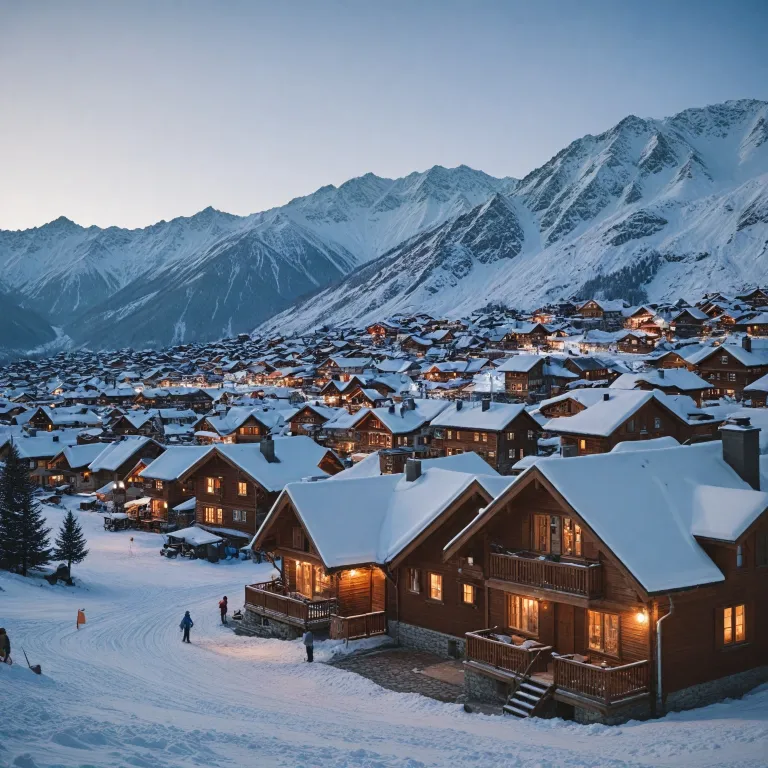
Understanding the risks of carbon monoxide at ski resorts
When planning a luxury ski holiday, safety is as vital as comfort. The tragic case of carbon monoxide poisoning at a ski resort in Gudauri, Georgia, has brought the dangers of monoxide exposure into sharp focus. In December, twelve people died at the Gudauri ski resort after a power outage led to the use of an oil-powered generator indoors, causing deadly levels of carbon monoxide. This incident underscores the importance of recognizing how quickly carbon monoxide can accumulate in enclosed spaces, especially in high-altitude resorts where heating and power needs are significant.
Monoxide poisoning is particularly insidious because carbon monoxide is colorless and odorless. In the Gudauri case, the victims were employees of an Indian restaurant located on the second floor of the resort. The improper use of a power generator indoors, combined with insufficient ventilation, resulted in a rapid buildup of gas. The Georgian Ministry of Internal Affairs, which investigated the case, highlighted the need for strict adherence to safety protocols in all resort facilities. For guests booking premium ski experiences, understanding these risks is essential for peace of mind and well-being.
Luxury and premium ski resorts, especially those in regions like Mtskheta-Mtianeti, must prioritize safety alongside their high-end amenities. The Gudauri largest ski resort, popular among international travelers, now faces increased scrutiny regarding its safety measures. The tragedy has prompted both the Georgian ski industry and global hospitality leaders to review their protocols, ensuring that guests and employees are protected from the dangers of carbon monoxide and monoxide poisoning. For those seeking a safe and memorable ski holiday, awareness and proactive inquiry into resort safety standards are now more important than ever.
Key safety protocols for preventing monoxide poisoning in premium ski resorts
Preventing carbon monoxide poisoning in ski resorts requires a comprehensive approach. Resorts must implement robust safety measures, including the installation of carbon monoxide detectors in all sleeping and dining areas. The Gudauri ski resort incident revealed that even well-established establishments can overlook critical safety details, such as proper ventilation and the dangers of using power generators indoors. The Ministry of Internal Affairs in Georgia has since recommended that all resorts review their emergency power protocols to prevent similar tragedies.
Guests should inquire about the presence of carbon monoxide detectors and ask how the resort manages power outages. The use of oil-powered generators, as seen in the Gudauri case, should be strictly limited to outdoor, well-ventilated areas. Employees of restaurants and other facilities within the resort must receive regular training on the risks of gas exposure and the correct operation of backup power systems. The Indian restaurant in Gudauri, where the poisoning occurred, serves as a somber reminder of the consequences of neglecting these precautions.
For those booking a ski resort in Georgia or elsewhere, it is wise to review the resort’s safety certifications and recent inspection records. Many luxury booking platforms now highlight properties that adhere to international safety standards. For more information on how to select a safe and luxurious ski experience, consult our ski resort safety guide for detailed recommendations. The lessons from Gudauri are clear: safety must never be compromised, regardless of the resort’s prestige or location.
The impact of the Gudauri tragedy on the Georgian ski industry
The Gudauri ski resort carbon monoxide poisoning case has had a profound effect on the Georgian ski sector. As the largest ski resort in Georgia, Gudauri attracts thousands of visitors each winter, many of whom frequent the Indian restaurant and other popular dining venues. The deaths of twelve people, including eleven Indian nationals and one Georgian citizen, have led to a reevaluation of safety standards across all Georgian ski resorts. The Ministry of Internal Affairs and the Indian Embassy in Tbilisi worked closely to support the victims’ families and repatriate the bodies, highlighting the international dimension of the tragedy.
In response, the Georgian Ministry of Internal Affairs has intensified inspections of power generators and gas appliances in resorts throughout Mtskheta-Mtianeti. The case has also prompted a surge in demand for carbon monoxide detectors and stricter regulations regarding the use of power generators indoors. The Gudauri largest resort, once known primarily for its pristine slopes, is now at the forefront of a national conversation about safety and accountability. The restaurant Gudauri incident has become a case study for hospitality professionals worldwide.
Travelers considering a ski holiday in Georgia should be reassured that the industry is taking significant steps to prevent future incidents. Enhanced staff training, improved emergency protocols, and transparent communication with guests are now standard practice. For those seeking further insights into the evolving safety landscape, our Georgian ski resort safety analysis provides in-depth coverage of recent reforms and best practices. The Gudauri case serves as a powerful reminder of the importance of vigilance and continuous improvement in the hospitality sector.
How luxury booking platforms are responding to safety concerns
Luxury and premium booking websites have responded swiftly to the Gudauri ski resort carbon monoxide poisoning by updating their safety criteria. These platforms now require resorts to provide detailed information about their carbon monoxide safety measures, including the installation of detectors and staff training programs. The case of twelve people dying from monoxide poisoning at a Georgian ski resort has prompted booking sites to introduce new filters, allowing guests to prioritize properties with robust gas safety protocols.
Guests can now view safety certifications, recent inspection dates, and even employee training records when selecting a resort in Georgia or other ski destinations. The tragedy at the Indian restaurant in Gudauri has also led to greater transparency regarding emergency procedures and the use of power generators. Booking platforms are working closely with the Ministry of Internal Affairs and local authorities to verify compliance and ensure that only resorts meeting the highest standards are featured on their sites.
For travelers, this means greater peace of mind when booking a ski resort in Gudauri or other regions. The integration of safety information into the booking process empowers guests to make informed decisions and reduces the risk of monoxide poisoning. The industry’s commitment to safety is now as visible as its dedication to luxury and comfort.
Lessons learned: Best practices for guests and resort operators
The Gudauri ski resort carbon monoxide poisoning case has yielded important lessons for both guests and operators. For guests, it is crucial to recognize the signs of carbon monoxide exposure, such as headache, dizziness, and nausea, and to act quickly if symptoms appear. Always ensure that your accommodation is equipped with functioning carbon monoxide detectors, especially if you are staying in a resort in Georgia or similar destinations where power outages may occur.
Resort operators must prioritize regular maintenance of gas appliances and power generators. The Ministry of Internal Affairs recommends that all resorts conduct frequent safety drills and provide comprehensive training for employees, particularly those working in restaurants and hospitality venues. The Indian restaurant Gudauri case demonstrated the need for clear protocols and immediate action in the event of a power outage or suspected gas leak.
Collaboration between resorts, booking platforms, and local authorities is essential for maintaining high safety standards. The Gudauri largest resort and others in the region are now leading the way in implementing best practices, from improved ventilation systems to enhanced staff education. Guests should feel empowered to ask questions and expect transparency regarding safety measures. The shared goal is to ensure that no one else becomes a victim of monoxide poisoning while enjoying the beauty of the Georgian ski slopes.
The role of authorities and international cooperation in crisis response
The response to the Gudauri ski resort carbon monoxide poisoning involved close cooperation between Georgian and Indian authorities. The Ministry of Internal Affairs led the investigation, working alongside the Indian Embassy in Tbilisi to support the families of the victims and arrange for the repatriation of the bodies. This collaboration highlights the importance of international partnerships in managing crises that affect both local and foreign nationals.
Authorities have since issued new guidelines for the use of power generators and gas appliances in ski resorts. The Ministry of Internal Affairs has increased inspections and mandated the installation of carbon monoxide detectors in all guest accommodations and restaurants. The Gudauri case has also prompted discussions about the need for standardized safety protocols across all ski resorts in Georgia and beyond.
Resorts are now required to report any incidents of gas leaks or power outages to local authorities immediately. The lessons learned from the Gudauri largest resort tragedy are being shared with hospitality professionals worldwide to prevent similar incidents. The commitment of the Ministry of Internal Affairs and the Indian Embassy demonstrates the value of coordinated action in protecting guests and employees from the dangers of monoxide poisoning.
Building a culture of safety in luxury ski destinations
Creating a culture of safety in luxury ski resorts requires ongoing education and vigilance. The Gudauri ski resort carbon monoxide poisoning case has become a catalyst for change, inspiring resorts across Georgia and internationally to reevaluate their safety protocols. Employees of restaurants, hotels, and other facilities must be trained to recognize the risks of carbon monoxide and to respond effectively in emergencies.
Guests play a vital role by staying informed and advocating for their own safety. The tragedy at the Indian restaurant Gudauri, where twelve people died from monoxide poisoning, serves as a reminder that even the most prestigious resorts are not immune to risk. The Ministry of Internal Affairs continues to lead efforts to enhance safety standards, working with industry partners to implement best practices and share knowledge.
As one expert stated, "The poisoning was caused by the use of an oil-powered generator indoors after a power outage, leading to carbon monoxide buildup." This quote encapsulates the importance of understanding the root causes of such incidents and taking proactive steps to prevent them. By fostering a culture of safety, the Georgian ski industry aims to ensure that guests can enjoy their holidays with confidence and peace of mind.
Key statistics on carbon monoxide poisoning at ski resorts
- Number of deaths: 12 individuals (source: Georgian Ministry of Internal Affairs)
- Number of Indian nationals deceased: 11 individuals (source: Georgian Ministry of Internal Affairs)
- Number of Georgian nationals deceased: 1 individual (source: Georgian Ministry of Internal Affairs)
Frequently asked questions about ski resort carbon monoxide poisoning
What caused the carbon monoxide poisoning at the Gudauri ski resort?
The poisoning was caused by the use of an oil-powered generator indoors after a power outage, leading to carbon monoxide buildup.
How many people died in the Gudauri ski resort incident?
Twelve people died, including eleven Indian nationals and one Georgian citizen.
What measures can prevent carbon monoxide poisoning in similar settings?
Ensuring proper ventilation, installing carbon monoxide detectors, and avoiding the use of generators indoors can prevent such incidents.