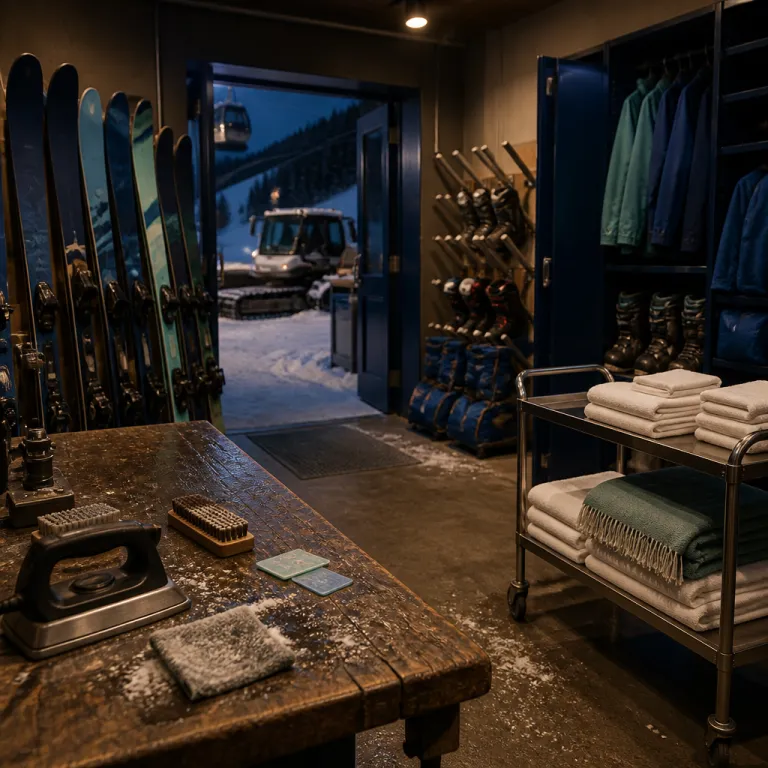
Why the right ski resort employees define your luxury stay
When you book a premium ski resort, the real difference often comes from each member of the mountain team you meet on the slopes. Behind the polished lobby and the freshly groomed ski area, there is a carefully selected équipe whose work quietly orchestrates your entire winter season experience. Their time is spent balancing service, safety, and discretion so your ski ride feels effortless and refined.
Resort managers in luxury properties recruit staff for highly specialized positions, from ski snowboard instructors to cross country guides and fine dining servers. They look for professionals who can handle intense winter season employment while still offering calm, intuitive service in every interaction with guests. In the best resorts, new hires receive extensive training on snow conditions, ski pass systems, and employee benefits so they can answer questions instantly and anticipate what you will need before you even ask.
For you as a guest, this means that the quality of every employee job, from concierge to lift operations, directly shapes your stay. When a ski resort invests in full time contracts, strong employee housing, and fair seasonal positions, staff retention improves and the team becomes more experienced and confident. That stability shows up in the way long term staff eligible for internal training handle complex requests, arrange season passes, and coordinate friends family perks that quietly elevate your holiday.
How resort managers build teams for a seamless winter season
Resort managers in luxury ski properties treat every ski resort employee as part of a finely tuned service ecosystem. They map out open positions long before the first snow, planning which seasonal positions will support the core year round team and which roles must remain full time for continuity. This strategic employment planning ensures that when you arrive, the resort already has the right people in the right positions, ready to work at full capacity.
In high end destinations such as Courchevel, St Moritz, and Aspen, managers often recruit international applicants to bring language skills and global hospitality experience to the mountain. These team members will receive structured onboarding that covers everything from visa compliance to emergency snow protocols and premium ski snowboard equipment handling. If you want to understand how these roles shape your stay, a useful deep dive is the guide on how ski resort jobs shape your luxury mountain stay, which explains how front of house and back of house teams coordinate.
During the peak winter season, the resort’s internal équipe runs daily briefings where managers align every employee on guest arrivals, private ski ride requests, and cross country trail conditions. Staff in guest facing positions will receive updates on ski pass options, season pass upgrades, and any special employee discounts that can be extended to friends family packages. This disciplined approach to time management and communication means that employees eligible for promotion stay motivated, and you benefit from a calm, confident team that never appears rushed.
Employee housing, benefits, and why they matter to your comfort
Luxury resort managers know that a well rested ski resort employee delivers better service, so they invest heavily in employee housing. Instead of cramped dormitories far from the ski area, many high end properties provide modern staff accommodation within a few hundred metres of the lifts. This short commute saves time, reduces stress, and allows employees to arrive at work focused and ready to support your day on the mountain.
Thoughtful employee benefits go far beyond a basic ski pass, especially in premium resorts that operate year round. Staff in both full time and seasonal positions often receive season passes that include ski snowboard access, cross country trails, and sometimes even spa entry during off peak hours. When employees receive these perks, they experience the resort as you do, which helps them give precise, experience based recommendations on the best ski ride routes, quiet snow zones, or sunset viewpoints.
Many luxury properties extend structured discounts so that employees eligible for performance rewards can invite friends family to stay on site. This creates a stronger emotional connection between the employee and the resort, which in turn reduces staff turnover and stabilizes service quality across the winter season and the quieter summer months. As a guest, you may never see the staff housing or read the employment contracts, but you will feel the impact every time a smiling team member remembers your preferences and handles your requests without hesitation.
From winter season to year round excellence in luxury resorts
While the glamour of a ski resort peaks during the winter season, resort managers in the luxury segment design operations for year round excellence. They balance winter focused employment with summer roles in hiking, mountain biking, and wellness so that key employees can work continuously. This year round structure allows the same ski resort employee who fitted your ski boots in January to welcome you back for a summer alpine retreat.
In destinations such as Zermatt or Whistler, where the ski area may offer glacier skiing or extensive summer activities, managers plan open positions with a multi season lens. Full time contracts are reserved for critical positions such as senior instructors, guest relations, and technical maintenance, while seasonal positions support peak demand in both winter and summer. International applicants are often hired on structured visa programmes that allow them to rotate between winter snow operations and summer hospitality roles, building deep knowledge of the resort’s terrain and culture.
For you, this continuity means that employees receive ongoing training in both ski snowboard disciplines and warm weather sports, as well as in fine dining and spa etiquette. Staff who work across seasons understand how changing snow levels, mountain weather, and trail conditions affect your safety and enjoyment, whether you hold a season pass or visit for a single weekend. When employees eligible for cross training stay with the resort for several years, they become trusted advisors who can tailor your ski ride, cross country outing, or summer hike with remarkable precision.
What to look for in staff culture when booking online
When you browse a luxury booking website for a ski resort, pay close attention to how the property talks about its employees. Resorts that highlight their ski resort employee culture, training programmes, and employee housing policies usually deliver more consistent service on the mountain. Clear references to staff longevity, year round employment, and detailed employee benefits are strong indicators that the resort values its équipe as much as its architecture.
Examine whether the resort describes structured seasonal positions, full time roles, and open positions with transparency, especially for international applicants who require a visa. Properties that mention staff ski pass access, season passes, and internal discounts for friends family are typically investing in a stable, motivated team. When employees receive meaningful perks and will receive regular training, they are more likely to stay multiple seasons, which directly benefits you through accumulated local knowledge and smoother operations.
Guest reviews can also reveal how employees eligible for recognition behave under pressure during the busiest winter season weeks. Look for comments about how quickly staff resolved issues, managed snow disruptions, or rearranged ski ride schedules when the mountain weather changed unexpectedly. If multiple guests praise the same employees by name, it usually signals a strong service culture where every job, from cross country grooming to ski snowboard rental, is treated as a professional craft rather than a temporary stopgap.
How private guiding and specialist roles elevate your mountain experience
In the most exclusive ski areas, resort managers rely on highly specialized positions to deliver bespoke experiences that go far beyond a standard ski pass. A single expert ski resort employee might combine roles as a private ski snowboard instructor, mountain safety advisor, and discreet concierge. Their work requires deep knowledge of snow science, terrain management, and guest psychology, especially when guiding high profile clients who expect absolute privacy.
Resorts that collaborate with elite guiding services, such as those operating in Courchevel’s K2 Palace, Aman Le Mélézin, or Rosewood Courchevel, often explain in detail how private guiding actually works in this dedicated guide on private ski guiding at flagship Courchevel properties. These guides show how employees receive advanced avalanche training, route planning skills, and etiquette coaching to match the expectations of ultra high net worth guests. Many of these roles are full time or structured as recurring seasonal positions, allowing the same guides to return every winter season and refine their knowledge of the mountain.
Behind them stands a wider équipe of lift operators, snowmaking technicians, and cross country trail specialists whose employment may be seasonal but whose expertise is long term. International applicants in these technical positions often join on multi year visa arrangements, becoming year round residents who understand every nuance of the ski area. When specialists eligible for these roles feel valued through strong employee benefits, housing, and friends family privileges, they will receive your requests with genuine enthusiasm and transform a simple ski ride into a memorable, perfectly paced journey across the snow.
Key statistics on ski resort employees and luxury mountain hospitality
- According to the National Ski Areas Association (NSAA), United States ski areas employ roughly 100 000 workers each winter season, illustrating how labour intensive snow operations and guest services are in mountain destinations.
- Data from the Canadian Ski Council indicate that staff costs can represent up to 45 percent of total operating expenses in some resorts, underlining why stable employment structures and employee housing investments are critical for consistent service.
- Research from the International Labour Organization shows that seasonal positions in tourism can have turnover rates above 60 percent, which is why luxury ski resorts increasingly offer year round roles and enhanced employee benefits to retain qualified employees.
- Studies by the World Travel & Tourism Council highlight that destinations with strong visa facilitation policies for international applicants can see tourism employment grow up to 20 percent faster, directly affecting the depth of talent available in high end ski resorts.
- Surveys from the Ski Club of Great Britain report that more than 70 percent of frequent skiers rate staff friendliness and professionalism as a decisive factor when choosing a ski resort, placing the ski resort employee experience on par with snow quality and terrain variety.
FAQ about ski resort employees in luxury mountain resorts
How does staff training affect my experience in a luxury ski resort ?
Extensive training ensures that every ski resort employee understands snow safety, service standards, and the specific layout of the ski area. Well trained employees can adjust your ski ride plans, manage your ski pass or season pass options, and coordinate cross country or ski snowboard activities with minimal disruption. This preparation leads to faster problem solving and a more relaxed, personalised stay. As one veteran concierge in Zermatt explains, “When staff know the mountain as well as the menus, guests feel they are in expert hands from breakfast to the last lift.”
Why should I care about employee housing when choosing a resort ?
Quality employee housing close to the mountain reduces commuting time and stress for employees, which directly improves their energy and focus at work. Resorts that invest in comfortable staff accommodation usually have lower turnover and more experienced teams. As a guest, you benefit from consistent faces, better local knowledge, and smoother service throughout the winter season.
Are international applicants important for service quality in luxury resorts ?
International applicants bring language skills, cultural awareness, and diverse hospitality backgrounds that are invaluable in high end ski resorts. When their visa and employment conditions are well managed, they often stay multiple seasons and become key members of the équipe. This diversity allows the resort to serve guests from many countries with nuance and confidence.
What is the difference between full time and seasonal positions for staff ?
Full time roles usually run year round and cover core functions such as management, maintenance, and senior guest services, while seasonal positions focus on peak winter or summer demand. Resorts that balance both types of employment can keep experienced employees on staff while flexing up for busy periods. This structure helps ensure that you always find knowledgeable employees on site, even during the most crowded weeks.
Do staff discounts and benefits really influence guest experience ?
When employees receive meaningful benefits such as season passes, ski pass upgrades, spa access, and friends family discounts, they feel more connected to the resort. Motivated employees are more likely to go the extra mile, remember your preferences, and proactively enhance your stay. These employee benefits indirectly raise service quality and create a more welcoming atmosphere across the entire resort.