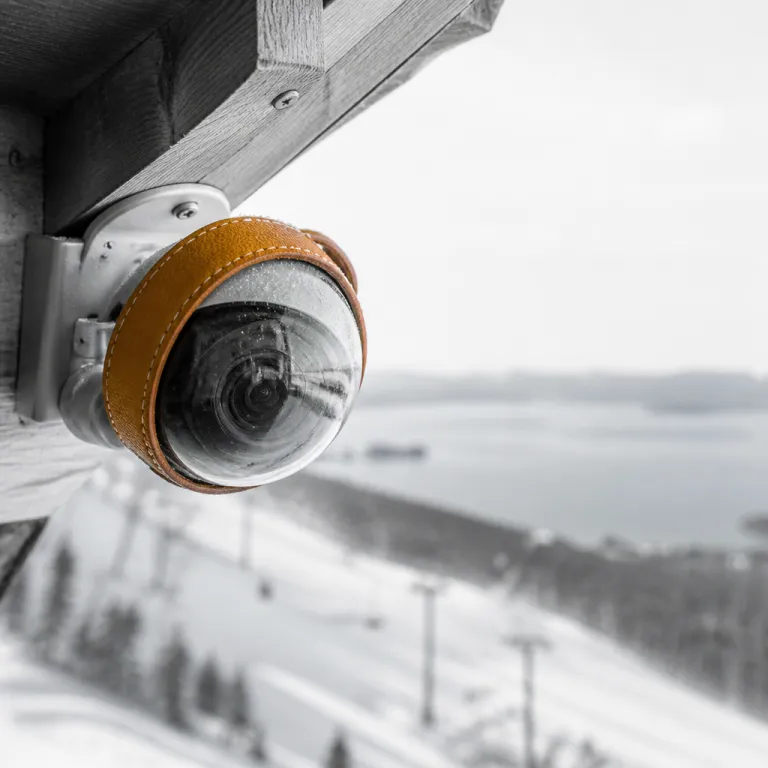
Reading the Mt. Rose ski resort webcam like a seasoned local
The Mt. Rose Ski Resort webcam is the quiet gatekeeper to your Lake Tahoe ski escape. From a premium booking perspective, these resort webcams turn vague hopes about snow into precise data that shapes which suite, which lodge, and which ski area you should reserve. When you are planning a high-end Ski Tahoe itinerary, that real-time view becomes as critical as the room category or the wine list.
At Mt. Rose Ski Tahoe in Nevada north of Lake Tahoe, the operator uses high-definition mountain cams to stream the upper mountain in near real time. According to the resort’s own guidance, the official Mt. Rose webcams typically refresh about every 10 minutes, which means you can watch the snow drift across the Rose Summit, see how busy the base area looks, and judge whether the terrain above the Main Lodge suits your level. For travelers who value certainty, this cadence of updates is the difference between a blind booking and a carefully curated ski resort stay.
The summit mountain cam sits at roughly 2,956 meters (about 9,698 feet), while the Main Lodge cam is positioned around 2,518 meters (about 8,261 feet), giving you both peak and lower mountain perspectives. This vertical spread lets you compare conditions at the Rose Summit with those at mid mountain and at the base, which is essential when you are choosing between a slopeside-style suite or a quieter resort diamond residence in Reno. Before you confirm a premium Lake Tahoe ski package, spend ten focused minutes with the webcams and you will understand the mountain far better than any brochure allows.
Using webcams, forecast data, and snow reports to time a premium stay
For travelers booking luxury ski resort accommodation, timing the season is everything. The Mt. Rose Ski Resort webcam becomes even more powerful when you pair its live view with a detailed forecast and an up-to-date snow report from trusted platforms such as SnowStash or SkiInfo. This combination lets you decide whether to target an early-season powder window, a mid-season cold snap, or a late-season sun-soaked weekend above Lake Tahoe.
Start by watching the webcams for several days to understand how quickly the snow accumulates at the base and how often the peak gets wind affected. Then cross-check what you see on the cams with the official snow report, paying attention to new snow totals, settled base depth, and any notes about changing conditions on steeper terrain. When the forecast signals a significant storm, you can lock in a premium suite at the Main Lodge or a private residence in Reno with confidence that your Ski Tahoe investment will be rewarded.
High-end travelers who chase global winters often compare Mt. Rose with long-haul destinations such as Queenstown or Cerro Castor, and resources like a solo skier’s southern hemisphere circuit help frame that decision. Yet the immediacy of the Mt. Rose ski resort webcams, combined with the precision of the forecast and the snow report, often tips the balance toward a shorter flight and a more flexible booking strategy. For a premium guest, that means you can reserve a long weekend at short notice, align it with the best conditions, and still secure the finest rooms the resort offers.
Choosing the right side of the mountain for luxury lodging and access
Mt. Rose is not just one uniform ski area; it is a set of distinct faces and bowls that shape how you should book your stay. The Mt. Rose ski resort webcam network reveals how the lower mountain, mid mountain, and Rose Summit each behave in different weather, which directly influences whether you should prioritize quick access to Winters Creek, the Main Lodge, or the Slide Bowl side. Travelers who understand these nuances can match their preferred terrain with the most convenient and comfortable lodging options.
On clear days, the webcams show the wide-open pistes above the Main Lodge, the steeper chutes dropping toward Slide Bowl, and the more sheltered runs near Winters Creek. If you favor long groomers and a relaxed pace, staying near the primary lodge area or in a Reno suite with fast highway access to the base will feel seamless. If you are chasing steeper terrain and early tracks, you might prefer a property that offers private transfers timed to the first lift, guided by what you see on the cams each morning.
Luxury booking platforms increasingly present Mt. Rose alongside regional icons such as Diamond Peak, Palisades Tahoe, and other Lake Tahoe ski resort names. Industry analysis like Courchevel’s luxury arms race shows how brands cluster around the most desirable terrain, and a similar pattern is emerging around the Tahoe Diamond corridor. By studying the Tahoe webcams before you book, you can decide whether Mt. Rose’s high elevation and compact layout suit your style better than the broader sprawl of Palisades Tahoe or the lakeside intimacy of Diamond Peak.
Interpreting base, mid mountain, and summit cams for real snow conditions
Many travelers glance at a single mountain cam and assume they understand the day’s conditions, yet discerning guests should read the full Mt. Rose ski resort webcam suite with more care. Start with the base area webcams to gauge how much natural snow remains on the lower slopes and how busy the arrival zone looks at peak times. Then move to the mid mountain cams to see how the snow coverage, light, and wind differ higher up, especially on more exposed terrain.
The summit view from the Rose Summit camera often looks spectacular, but it can also hide subtle clues about wind scouring, cornice formation, or flat light that might affect your ski plans. Comparing the summit image with the mid mountain and lower mountain cams helps you decide whether to book a private guide, adjust your ski area choice for the day, or focus on tree-lined runs that hold better visibility. For families or mixed-ability groups staying in premium accommodation, this layered reading of the webcams ensures everyone skis the right terrain at the right time.
Luxury booking sites now integrate resort webcams directly into property pages, allowing you to check the snow report, the live view, and the forecast without leaving the booking flow. When you see a strong base depth at mid mountain and consistent coverage down to the lodge, you can confidently extend your stay or upgrade to a larger suite. If the cams show thin snow on the lower slopes but excellent conditions higher up, you might instead prioritize properties with early lift access or private shuttles to the most reliable sectors.
Comparing Mt. Rose with nearby Lake Tahoe resorts through webcams
For travelers weighing Mt. Rose against other Lake Tahoe destinations, webcams offer a rare apples-to-apples comparison. By watching the Mt. Rose ski resort webcam alongside Tahoe webcams from Diamond Peak, Palisades Tahoe, and other Ski Tahoe areas, you can see which resort holds snow better at similar elevations. This visual benchmarking is invaluable when you are booking high-end stays where every ski day must justify the rate.
Mt. Rose often benefits from its position on the Nevada north side of the basin, where colder air can preserve the snowpack on the peak and mid mountain slopes. When the resort webcams show firm coverage at the Rose Summit while lower resorts around Lake Tahoe are thinning, that is a strong signal to base your trip around Mt. Rose and perhaps add day excursions elsewhere. Conversely, if the cams resort feeds reveal deeper snow at a different ski resort, you can pivot your booking toward that destination while still using Reno as a convenient hub.
For travelers fascinated by how Olympic-level venues evolve, long-form reporting such as analysis of alpine venues after the Games offers useful context. Yet for your immediate decision, the most relevant data comes from the live webcams, the snow report, and the forecast across the Tahoe ski region. Watching how quickly each resort recovers after a storm, how busy each base looks on weekends, and how the terrain holds its shape in warm spells will guide you toward the property that best matches your expectations.
Practical tips for using Mt. Rose webcams in a luxury booking journey
To extract real value from the Mt. Rose ski resort webcam, treat it as part of your pre-arrival ritual rather than a casual glance. In the week before your trip, check the webcams at the same time each day to understand how the light moves across the terrain and how quickly the base consolidates. This habit will help you decide whether to book early-morning spa treatments, late lunches at the lodge, or extended afternoons on the snow.
Use the webcams to coordinate with your concierge or travel advisor, sharing screenshots of the peak, the mid mountain slopes, and the lower approaches that appeal to you most. When you can point to a specific view of Winters Creek or Slide Bowl, your advisor can match you with instructors, guides, or private transfers that align with those preferences. One Reno-based concierge describes a typical three-day Mt. Rose plan: arrive Thursday night, watch the cams and snow report over breakfast on Friday, then shift spa bookings, dinner reservations, and even which Tahoe ski resort to visit on Saturday based on how the Rose Summit and neighboring peaks look that morning.
Finally, remember that the webcams are not only about snow; they also reveal crowd patterns, parking flow, and even how the sunset paints the Lake Tahoe horizon on clear evenings. Travelers who value tranquility can use this information to time their arrivals, book off-peak dining at the lodge, or schedule private lessons away from the busiest hours. When combined with a reliable forecast and the official statement that “How often do Mt. Rose webcams update? Every 10 minutes.”, the resort webcams become a discreet but powerful tool in crafting a refined, low-friction ski experience.
Key figures and webcam statistics for Mt. Rose luxury planners
- The summit webcam sits at approximately 2,956 meters (about 9,698 feet) above sea level, which is significantly higher than many Lake Tahoe competitors and helps preserve snow quality for guests seeking reliable peak conditions.
- The Main Lodge camera is positioned around 2,518 meters (about 8,261 feet), giving a realistic view of mid mountain and base area coverage where many travelers start and finish their ski day.
- The Mt. Rose webcams refresh roughly every 10 minutes, as indicated by the resort, providing near real-time data that allows visitors to adjust daily plans, spa bookings, and dining reservations with confidence.
- Live webcam usage across major ski areas has increased steadily, with Mt. Rose integrating high-definition cams and mobile-friendly streams to support better informed visitors and safer trip planning.
- Continuous 24/7 webcam availability means travelers in distant time zones can evaluate conditions at Mt. Rose before committing to non-refundable bookings or complex multi-resort itineraries.
FAQ about Mt. Rose ski resort webcams for luxury travelers
How often do the Mt. Rose webcams update and why does it matter for booking?
The Mt. Rose webcams update roughly every 10 minutes, which is frequent enough to show meaningful changes in light, cloud cover, and snow conditions without overwhelming you with data. For premium bookings, this cadence lets you check the mountain just before confirming non-refundable suites or private transfers. It also helps you fine-tune daily plans, such as whether to schedule a late checkout to chase a clearing storm.
Which webcam should I watch to understand summit conditions at Mt. Rose?
The summit snow camera, positioned near 2,956 meters (about 9,698 feet), is the best tool for assessing peak conditions, wind exposure, and overall snow coverage on the highest terrain. Pair this summit view with mid mountain and base area webcams to see how conditions change with elevation. This layered approach is especially useful when deciding whether to book advanced guiding or keep the day focused on gentler slopes.
Can I access Mt. Rose webcams online from luxury booking platforms?
Yes, you can view Mt. Rose webcams through specialist platforms such as SnowStash and SkiInfo, and many premium booking sites now embed these feeds directly into property pages. This integration allows you to compare live conditions with room availability, spa schedules, and dining options in a single interface. For high-end travelers, that means fewer tabs, faster decisions, and bookings that align closely with real mountain conditions.
How should I combine webcam views with snow reports and forecasts?
Use the webcams to verify what the snow report and forecast suggest, rather than relying on any single source. If the report mentions fresh snow at the summit, check the cameras to confirm coverage down to the base and to see how busy the resort looks. When all three sources align, you can confidently extend your stay, upgrade your room, or add extra ski days to your itinerary.
Are Mt. Rose webcams useful if I am comparing several Lake Tahoe resorts?
Webcams are one of the most objective tools for comparing Mt. Rose with other Lake Tahoe resorts such as Diamond Peak or Palisades Tahoe. By watching multiple resort webcams at similar times of day, you can see which ski area holds snow better, which base areas feel calmer, and where the terrain matches your preferences. This visual evidence often proves more reliable than marketing photos when you are choosing where to invest in a premium ski stay.