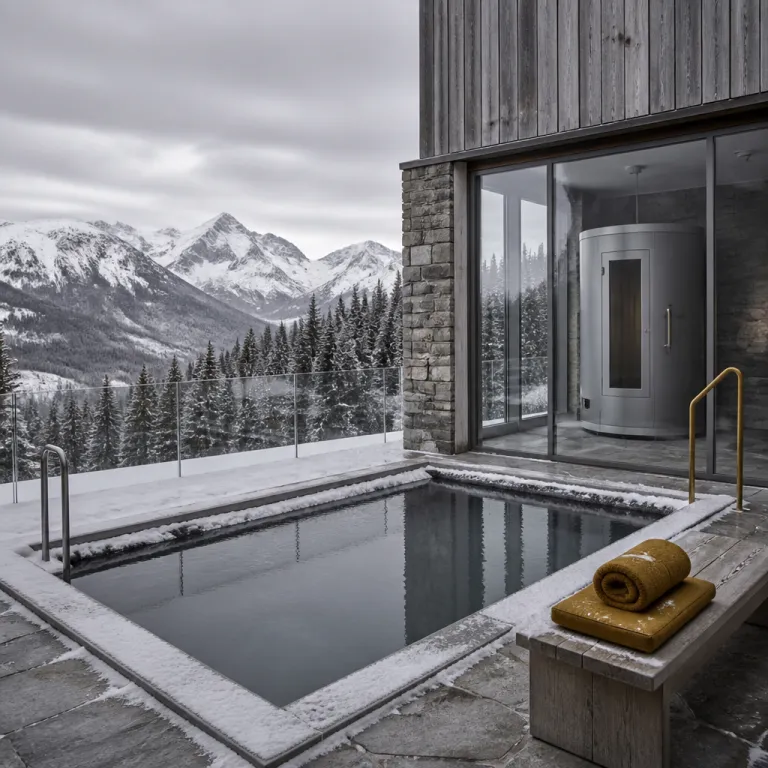
Why cold therapy belongs in a luxury ski resort stay
Cold therapy has moved from niche wellness studios into the heart of the luxury ski resort world. At altitude, a carefully designed cold immersion can complement your ski day, easing perceived inflammation from long skiing sessions while sharpening mental clarity for the next morning on the mountain. For couples planning a ski trip, the right mountain spa hotel now offers as much romance in the wellness area as on the slopes.
Mountain hotels have a natural advantage because the air is crisp, the snow is close, and the outdoor pool can double as a stage for contrast rituals between heat and ice. Industry commentary from wellness travel analysts suggests that roughly four in ten upscale mountain hotels now offer some form of cold immersion, and that figure is rising as wellness tourism becomes a core reason to book specific ski resorts rather than just follow the largest ski area. Guests increasingly compare one ski hotel against another not only on ski-in access and mountain views, but on whether the spa programme includes serious recovery tools such as plunge pools, cryotherapy chambers, snow rooms, and guided breathwork.
For a couple choosing between several ski hotels, this shift matters because it changes how you structure each day in the mountains. Instead of treating the spa as a rainy-day backup, you can plan a rhythm of morning ski or snowboard laps, an afternoon session with the ski concierge or ski valet, then a late light dinner after a cold plunge and sauna circuit. The wellness-focused luxury ski resort becomes a base camp for longevity, where the spa, the lodge, and the slopes work together rather than compete for your time.
The science of cold exposure at altitude for skiers
Cold therapy is simply the use of low temperatures for therapeutic purposes, but altitude adds an extra physiological layer. At higher elevations, lower oxygen levels can slightly increase cardiovascular load, which means a well supervised cold plunge or ice bath may feel more intense than the same protocol at sea level. The American College of Sports Medicine notes that both cold exposure and altitude independently increase strain on the heart and blood vessels, which is why medical professionals generally advise that ice baths at high elevations are appropriate for healthy guests but should be approached cautiously by anyone with cardiovascular disease or uncontrolled high blood pressure.
For skiers, the appeal is straightforward because cold exposure can help reduce perceived muscle soreness after a demanding ski day on steep terrain. A 2015 review in the International Journal of Sports Medicine found that short cold-water immersion can modestly reduce delayed-onset muscle soreness in trained athletes, especially when the water temperature is kept between about 10–15°C and exposure is limited to a few minutes. When you combine a brief cold immersion with active recovery, such as a gentle walk through the village or a few relaxed laps on the final run of the day, you support circulation without overtaxing the body. In a well run spa, the équipe will often suggest alternating a hot tub or sauna with a cold plunge, creating contrast therapy that many guests now view as the most effective form of après ski.
Mountain hotels that take this seriously design their spa circuits with altitude in mind, limiting exposure times and offering quiet relaxation rooms with panoramic mountain views. Properties such as Six Senses Crans Montana have leaned into biohacking language, but the underlying principle is simple: short, controlled stress followed by deep rest. Sports medicine guidelines commonly recommend starting with 30–60 seconds in cold water at around 10–15°C, building up gradually to a few minutes while monitoring breathing and heart rate. When you evaluate a cold-focused luxury ski resort, ask how the spa team adapts protocols for different fitness levels, and whether they coordinate with ski concierge staff who understand how hard you plan to ski Vail Mountain, Jackson Hole, or Whistler the next morning.
How leading mountain hotels integrate ice, snow, and water
The most compelling cold recovery experiences in luxury ski resorts now blend high-tech tools with elemental alpine settings. Some hotels install full cryotherapy chambers, offering three-minute sessions at extremely low temperatures as part of a structured recovery programme after intense skiing or ski snowboard lessons. Others focus on Nordic-style outdoor pool layouts, where guests move between a steaming pool hot zone, a cold plunge carved into the snow, and a quiet deck facing the mountain skyline.
In Whistler, several luxury ski properties have added outdoor pool complexes that stay open well into the evening, turning the spa into a social alternative to loud après ski bars. In Jackson Hole, a handful of lodge-style hotels use natural rock-lined plunge pools fed by chilled mountain water, giving couples a more intimate, nature-forward experience after a long ski trip. Across the Alps and the Rockies, new openings increasingly treat hot tubs, ice rooms, and contrast showers as non-negotiable elements of the spa, not optional extras.
This integration has changed the visual language of the mountain hotel spa. Designers now place cold plunge pools beside floor-to-ceiling windows, so you can move from a hot tub to a frigid dip while watching snowcats trace lines across the ski resort below. As one spa director in Verbier described it, “Guests want to feel the mountain even when they are in the water—seeing the snow while stepping into an ice bath is part of the experience.” Articles such as the in-depth analysis of how the biohacking spa is replacing traditional après ski as an alpine status symbol on skiresortstay.com show how this shift is reshaping guest expectations. When you browse resorts on a premium booking platform, look for clear descriptions of cryotherapy, plunge pools, and guided contrast circuits rather than vague references to a generic spa collection.
Guest demand, pricing power, and what couples really book
Guest behaviour in the cold therapy segment of the luxury ski resort market has become more predictable as wellness tourism matures. Couples in their thirties and forties often book shorter ski trips of four to five nights, but they are willing to pay a higher nightly rate for hotels that combine strong skiing access with serious spa infrastructure. Four Seasons mountain resorts, for example, have highlighted strong winter wellness demand in investor communications, noting that guests increasingly pair full-day lift passes with targeted recovery treatments in the spa.
From a property perspective, installing cold plunge tubs, cryotherapy chambers, and dedicated ice rooms is not inexpensive, yet the rate uplift can be significant. Industry case studies from alpine hotel groups indicate that suites with private hot tubs or direct access to an outdoor pool can command a notable premium, especially when bundled with ski valet or ski concierge services. The cost of installation is often offset within a few seasons because wellness-oriented guests tend to stay longer, book more spa treatments, and return to the same ski resorts once they trust the experience.
For you as a traveler, this means that a higher nightly rate at a true luxury ski hotel can represent better value than a cheaper lodge without a serious spa. You are not just paying for a room in the village; you are investing in a daily ritual that might include a morning swim in a heated outdoor pool, a full day on the mountain, then a carefully timed cold plunge before fine dining. When comparing hotels on a site like skiresortstay.com, look beyond headline prices and examine whether the cold immersion facilities, spa programmes, and mountain views justify the premium.
How to choose a cold therapy focused luxury ski hotel
Selecting the right cold-forward luxury ski resort starts with clarity about your priorities as a couple. If you are strong skiers who want first lifts every day, then ski-in access, a responsive ski concierge, and proximity to the largest ski terrain may matter more than an elaborate spa collection. If one of you prefers long spa days while the other chases powder, then a hotel with both a serious wellness programme and easy access to the ski resort base will keep everyone happy.
Begin by checking hotel amenities before booking, paying close attention to how the spa describes its cold facilities. Look for specific mentions of ice baths, plunge pools, cryotherapy, snow or ice rooms, and contrast therapy circuits rather than generic language about relaxation. When a property explains how its spa team coordinates with ski valet staff, offers recovery-focused massages timed around your ski day, and provides quiet relaxation spaces with mountain views, you can be confident that wellness is integrated into the overall experience.
Geography also shapes the feel of your stay. A ski hotel in Whistler village offers a lively atmosphere, with easy access to restaurants and après ski, while a secluded lodge above Vail Mountain might prioritise privacy, outdoor pool decks, and stargazing from a hot tub. For deeper context on how different regions approach high-end mountain wellness, skiresortstay.com’s guide to luxury booking in Hokkaido’s ski resorts in Japan’s snowy paradise offers a useful comparison point. Use these references to decide whether you want a social spa scene, a quiet retreat, or something in between.
Designing your perfect wellness focused ski day
Once you have chosen a cold therapy oriented luxury ski resort, the real art lies in shaping each day. A well balanced schedule might start with a light breakfast, a quick stretch in the spa, and then a focused three-hour ski session while the pistes are quiet. After lunch, you could return to the hotel for a short nap, a warm up in the hot tub, and then a carefully timed cold plunge before heading back out for a final hour on the mountain.
Couples who treat the spa as part of the ski experience rather than an add-on tend to feel better by the third or fourth day of their trip. Instead of pushing through fatigue, you can use contrast therapy, gentle swims in the outdoor pool, and targeted massages to keep legs fresh for more skiing. Many mountain hotels now offer recovery classes in the late afternoon, combining breathwork, stretching, and education on how to use cold exposure safely at altitude.
Evenings are where the luxury ski narrative comes together. After a final visit to the spa, you can dress for fine dining in the lodge restaurant, perhaps choosing a lighter menu that supports sleep and recovery. A short walk through the village under clear mountain skies, followed by a last soak in a private hot tub or a quiet moment by the fire, turns the cold therapy routine into a shared ritual that defines the whole ski trip.
Key figures behind the rise of cold therapy in mountain hotels
- Industry surveys of upscale mountain hotels suggest that a large minority to roughly half now offer some form of cold therapy, reflecting a rapid shift in wellness investment across ski resorts worldwide.
- Wellness-focused properties report higher guest satisfaction scores and repeat bookings when they add cold plunge pools and cryotherapy, supporting the broader trend of wellness tourism driving rate premiums in the luxury ski segment.
- Four Seasons branded mountain resorts and similar high-end operators have publicly highlighted strong winter wellness bookings, indicating that guests increasingly pair full-day skiing with structured spa and recovery programmes.
- Specialist wellness brands such as Six Senses Crans Montana have positioned biohacking-style cold therapy as a core differentiator, showing how targeted spa innovation can elevate a ski hotel above more traditional resorts.
FAQ: cold therapy and luxury ski resort wellness
What is cold therapy in a ski resort context ?
Cold therapy in a ski resort context refers to the use of low temperatures, through ice baths, plunge pools, cryotherapy chambers, or snow rooms, to support recovery and wellbeing after skiing. It is designed to reduce perceived muscle soreness, improve circulation, and promote a sense of mental clarity. In a luxury ski hotel, these facilities are usually integrated into a wider spa circuit that also includes saunas, steam rooms, and relaxation lounges.
Are ice baths safe at high altitude ski resorts ?
For most healthy guests, short ice baths at altitude are generally considered safe when supervised by trained spa staff and combined with adequate rest. Because altitude can increase cardiovascular load, guests with heart conditions, uncontrolled hypertension, or other medical concerns should consult a physician before using intense cold exposure. Resorts that take wellness seriously will screen guests with a brief health questionnaire, explain protocols clearly, and encourage you to exit the water immediately if you feel dizzy, short of breath, or unusually uncomfortable.
Do all mountain hotels offer cold therapy facilities ?
Not every mountain hotel has invested in cold therapy yet, which is why it is essential to check hotel amenities before booking. Many traditional lodges still focus on basic hot tubs and small indoor pools, while newer or recently renovated ski hotels are more likely to feature dedicated plunge pools, ice rooms, or cryotherapy. If cold therapy is a priority for your ski trip, filter for properties that describe specific facilities rather than relying on generic spa language.
How should I structure my ski day around spa and cold exposure ?
A balanced approach is to ski hardest in the morning, when legs are fresh and slopes are quiet, then schedule spa and cold therapy sessions later in the afternoon. Aim for short, controlled cold immersions—often 1–3 minutes in cool water for beginners—followed by warm relaxation, and avoid long ice baths immediately before bed or a demanding ski session. Many luxury ski resorts now offer guidance from spa therapists or ski concierge teams who can help you design a daily rhythm that suits your fitness level and goals.
Can cold therapy justify higher room rates at luxury ski resorts ?
For wellness-oriented couples, the answer is often yes, because high quality cold therapy facilities can significantly enhance comfort and performance over a multi-day ski trip. Properties that invest in plunge pools, cryotherapy, and integrated spa programmes typically command higher nightly rates but also deliver better recovery, more enjoyable skiing, and a stronger sense of overall value. When comparing options, consider how much you would otherwise spend on separate wellness treatments at home and weigh that against the uplift in room price.