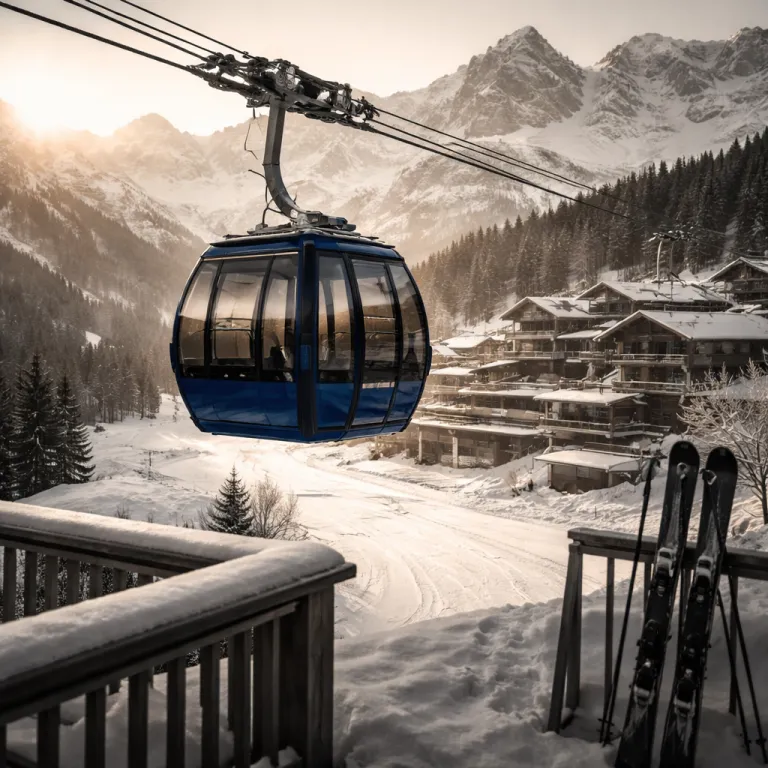
How to recognise the best European ski resorts for a luxury ski holiday
Choosing among the best European ski resorts starts with clarity about your skiing style. Luxury travellers should look beyond glossy images of a single ski resort and examine hard facts such as total ski area, altitude, and snowmaking coverage. In Europe, the finest resorts combine extensive ski slopes with refined hotel options and seamless access from the nearest airport.
For serious skiers, a large interconnected network of ski areas matters more than a pretty town alone. Val Thorens, for example, sits at about 2,300 metres and anchors Les Trois Vallées, which is one of the largest linked ski resorts in Europe with roughly 600 kilometres of pistes according to the official Les 3 Vallées operator (ski area facts page, accessed 2024). When a resort offers fast modern ski lifts, varied slopes for beginners, intermediates, and intermediate advanced skiers, and reliable snow supported by snow cannons, it usually signals a destination that justifies premium pricing.
Luxury focused guests should also evaluate what happens off the ski slopes during a ski holiday. A refined après ski scene, discreet wellness spaces, and attentive service in every hotel or chalet are as important as the terrain. As one Geneva based ski concierge notes, “Clients remember the spa ritual and the wine list as clearly as the black runs.” The best ski destinations in France, Italy, Switzerland, and Austria now invest heavily in advanced lifts, snowmaking systems, and sustainability initiatives to attract international skiers and extend the winter season.
Val Thorens, Val d’Isère and the French heavyweights of high altitude skiing
Among the best European ski resorts, Val Thorens and Val d’Isère in France stand out for altitude, scale, and energy. Val Thorens is widely recognised as the highest ski resort in Europe, with a village altitude of around 2,300 metres confirmed by the official Val Thorens tourism office (resort information, accessed 2024), which gives it a long season and excellent snow conditions for both piste skiing and off piste adventures. Linked with Les Menuires, Méribel, and Courchevel, this resort offers a vast ski area that suits beginners, intermediates, and expert skiers planning extended ski holidays.
Val d’Isère, paired with neighbouring Tignes, forms the Espace Killy ski area (now marketed as Val d’Isère–Tignes), which is renowned for steep slopes, efficient ski lifts, and a lively après ski culture. The town itself blends traditional stone chalets with contemporary hotel design, creating a sophisticated base for a week long ski holiday. One long time instructor describes the valley as “a natural amphitheatre for strong skiers, with serious vertical on almost every lift.” From the nearest airport in Geneva or Lyon, private transfers and helicopter services can bring luxury guests directly to these French ski resorts, with typical road transfer times of about three hours depending on traffic and weather.
Travellers comparing resorts in Europe often weigh Val Thorens against Val d’Isère for their next ski holiday in France. Val Thorens excels for high altitude skiing and ski in ski out convenience, while Val d’Isère appeals to strong skiers who want challenging ski slopes and a characterful alpine town. For readers interested in refined North American stays as a comparison point, a detailed look at luxury lodging at Snowbird ski resort can help frame what true premium mountain hospitality should feel like.
Les Arcs, Alpe d’Huez and the art of balancing ski areas with atmosphere
Not every traveller wants the busiest names among the best European ski resorts, and that is where Les Arcs and Alpe d’Huez come into focus. Les Arcs forms part of the Paradiski ski area with La Plagne, offering extensive slopes that suit beginners, intermediates, and intermediate advanced skiers who value variety. Official Paradiski figures (key numbers, accessed 2024) attribute around 425 kilometres of pistes to the combined linked domain, so guests can ski different sectors each day without repeating runs.
Purpose built villages at different altitudes allow guests to choose between quiet family oriented bases and livelier hubs with more après ski options. A frequent visitor describes Arc 1950 as “a cocoon where you step out of the spa straight onto the snow,” while lower villages feel more open and relaxed.
Alpe d’Huez, often called the island in the sun, combines a broad south facing ski area with a traditional French mountain town atmosphere. Its ski slopes range from gentle beginner zones to the legendary Sarenne run, which stretches for roughly 16 kilometres according to the Alpe d’Huez lift company (Sarenne piste description, accessed 2024) and appeals to confident skiers seeking long descents. Luxury travellers will find an increasing number of high end hotel properties and chalets here, many with direct access to ski lifts and panoramic views across the Oisans mountains.
When comparing these French ski resorts with the wider field of resorts in Europe, consider how each balances terrain, town character, and service. Les Arcs offers quick access to high altitude skiing and efficient ski lifts, while Alpe d’Huez delivers sunshine, varied slopes, and a more classic village feel. For insight into how ultra premium openings can reshape pricing in established destinations, examine this analysis of new luxury capacity in Gstaad and consider how similar dynamics may play out across leading ski resorts in Europe.
Italian and Swiss elegance: Val Gardena, Zermatt and Cortina d’Ampezzo
Beyond France, some of the best European ski resorts for style conscious travellers lie in Italy and Switzerland. Val Gardena in the Dolomites offers dramatic limestone peaks, long cruising ski slopes, and access to the vast Dolomiti Superski area, which rewards skiers who enjoy scenic journeys between multiple resorts. The town of Ortisei and neighbouring villages blend Tyrolean charm with Italian flair, and many hotel properties here excel at spa culture and refined dining.
Zermatt in Switzerland is a benchmark for high end ski holidays, thanks to its car free town, iconic Matterhorn views, and extensive ski area that reaches into Italy. With around 360 kilometres of pistes reported by Zermatt Bergbahnen AG (ski area statistics, accessed 2024) for the combined international domain, Zermatt appeals to both strong skiers and relaxed travellers who value mountain scenery as much as the sport itself. The resort’s network of modern ski lifts, gourmet mountain restaurants, and discreet luxury hotels positions it firmly among the best ski destinations in Europe.
Cortina d’Ampezzo, another Italian jewel, combines glamorous heritage with access to varied ski areas and excellent cross country skiing trails. Its historic town centre, lined with elegant cafés and designer boutiques, offers a different style of après ski compared with louder resorts in France or Austria. A Milan based regular calls Cortina “more winter salon than ski circus,” highlighting its emphasis on strolling, socialising, and stylish evenings. For a deeper perspective on why the Dolomites are increasingly challenging the traditional Alpine giants, consult this strategic overview of high end Dolomite resorts in Europe and how they are redefining luxury mountain travel.
St. Anton and the Austrian approach to ski, après ski and service
Austria contributes several of the best European ski resorts, and St. Anton am Arlberg is the most influential name for advanced skiers. Known for challenging slopes, deep snowfall, and a legendary après ski scene, this resort suits confident skiers who prioritise terrain and atmosphere over gentle beginner areas. Official figures from the St. Anton tourism board (snow statistics, accessed 2024) indicate that the village receives in the region of 7 metres of average annual snowfall, which underpins its reputation for reliable powder and off piste skiing.
The wider Arlberg ski area links St. Anton with Lech, Zürs, and other villages through a modern network of ski lifts and gondolas. This interconnected system allows guests to explore multiple resorts in Europe within a single ski holiday, moving between quieter luxury enclaves and the lively main town. One hotelier summarises the appeal as “big mountain skiing with a village where everyone still walks to dinner.” High end hotels and chalets in St. Anton increasingly focus on wellness, fine dining, and concierge services that arrange everything from heli skiing to private ski instructors for beginners, intermediates, and expert guests.
When assessing Austrian ski resorts against those in France, Italy, or Switzerland, consider the balance between value and experience. St. Anton offers world class skiing and après ski at prices that can undercut some Swiss destinations, while still delivering polished service and comfortable accommodation. For travellers who enjoy both cross country skiing and alpine skiing, nearby valleys and plateaus provide groomed trails that complement the steeper ski slopes of the main Arlberg ski area.
How to use a luxury booking platform to match resorts, airports and ski profiles
For travellers planning a premium ski holiday, a well designed booking website can be as valuable as a knowledgeable travel advisor. The best platforms for ski resorts in Europe allow you to filter by ski area size, altitude, nearest airport, and the ratio of slopes for beginners, intermediates, and advanced skiers. This data driven approach helps you compare a ski resort in France with one in Italy or Austria on objective criteria rather than marketing language alone.
When evaluating options, start by defining your skiing priorities and your group profile. Families with beginners and intermediates may favour wide gentle ski slopes, excellent ski schools, and short transfers from the airport, while expert skiers might prioritise off piste terrain, steep runs, and fast ski lifts. A sophisticated booking engine should surface resorts such as Val Thorens, Val d’Isère, Les Arcs, Alpe d’Huez, Val Gardena, Zermatt, St. Anton, and Cortina d’Ampezzo with clear comparisons of ski areas, town ambience, and hotel standards.
Logistics matter as much as glamour when choosing among the best ski resorts in Europe. Check transfer times from the nearest airport, the availability of private drivers, and whether your chosen hotel offers ski in ski out access or quick shuttle links to the lifts. As one expert summary notes, “Which European ski resort has the highest elevation? Val Thorens, at 2,300 meters.”, and this kind of precise information, combined with transparent data on snow reliability and terrain mix, should guide every luxury booking decision.
Key statistics that shape luxury choices in European ski resorts
- Val Thorens sits at roughly 2,300 metres above sea level, making it the highest major ski resort in Europe and giving it one of the longest winter seasons among French resorts, as confirmed by the official Val Thorens resort information (altitude data, accessed 2024).
- Zermatt offers about 360 kilometres of marked pistes within its combined international ski area, a figure published by Zermatt Bergbahnen AG (ski area statistics, accessed 2024), which places it among the largest linked resorts in Europe and supports varied skiing for both beginners and expert skiers.
- St. Anton am Arlberg records around 7 metres of average annual snowfall at village level according to the St. Anton tourism board (snow report archive, accessed 2024), a figure that underpins its reputation for deep powder and reliable conditions for advanced skiing and freeride terrain.
- Peak season for most ski resorts in Europe typically runs from January to February, when snow depths are greatest and ski lifts operate at full capacity, which is reflected in higher hotel rates and stronger demand for ski holidays across the Alps according to multiple resort operating calendars (2023–2024 seasons).
- Many leading ski areas in France, Italy, Switzerland, and Austria now combine groomed slopes, off piste zones, and snow parks, using advanced snow cannons and lift systems to extend the season from December into April in most winters, as highlighted in annual infrastructure updates from major lift companies (accessed 2024).
FAQ: planning a luxury stay in the best European ski resorts
When is the best time to ski in Europe for reliable snow ?
The most reliable period for skiing in Europe is usually from January to February, when temperatures are cold and snow depths are at their peak. High altitude ski resorts such as Val Thorens, Val d’Isère, and Zermatt often maintain good conditions from early December into April, as indicated by their published operating calendars (2023–2024). Travellers seeking quieter slopes and softer snow may prefer March, when days are longer and the atmosphere in many resorts becomes more relaxed.
Which European ski resort has the highest elevation ?
Val Thorens in France is widely recognised as the highest major ski resort in Europe, with a village altitude of about 2,300 metres reported by the resort’s official publications (resort facts, accessed 2024). This elevation gives it a long season and generally excellent snow reliability compared with lower resorts in Europe. The high base also means many hotel properties offer ski in ski out access directly onto the surrounding ski slopes.
Are there beginner friendly luxury ski resorts in Europe ?
Yes, many of the best European ski resorts combine high end accommodation with excellent facilities for beginners and intermediates. Les Arcs, Alpe d’Huez, Val Gardena, and parts of the Zermatt ski area all offer wide gentle slopes, strong ski schools, and modern ski lifts that make learning comfortable. When booking, look for resorts that clearly indicate the percentage of green and blue runs in their ski areas and that provide dedicated beginner zones near the town, as outlined in their official piste maps (accessed 2024).
How important is the nearest airport when choosing a ski resort ?
The distance to the nearest airport significantly affects the comfort of a luxury ski holiday, especially for short stays. Resorts with transfers under three hours, such as many in France, Switzerland, and Austria, allow guests to maximise time on the ski slopes rather than in transit. When using a premium booking website, filter by transfer time and check whether private transfers or helicopter services are available from major airports, using the transfer information published by resort tourism offices (2024).
Can I combine alpine skiing with cross country skiing in the same resort ?
Several leading ski resorts in Europe offer both alpine skiing and cross country skiing within the same area. Destinations such as Val Gardena, Cortina d’Ampezzo, and some Austrian valleys maintain groomed cross country trails alongside extensive downhill ski areas. This combination allows guests to vary their ski holidays with endurance focused country skiing days and more traditional downhill skiing on the main ski slopes, as highlighted in local Nordic trail maps and resort guides (accessed 2024).
References
- Val Thorens official website (resort facts and altitude data, accessed 2024)
- Zermatt Tourism and Zermatt Bergbahnen AG (ski area statistics, accessed 2024)
- St. Anton am Arlberg Tourism board (snow statistics and resort information, accessed 2024)